
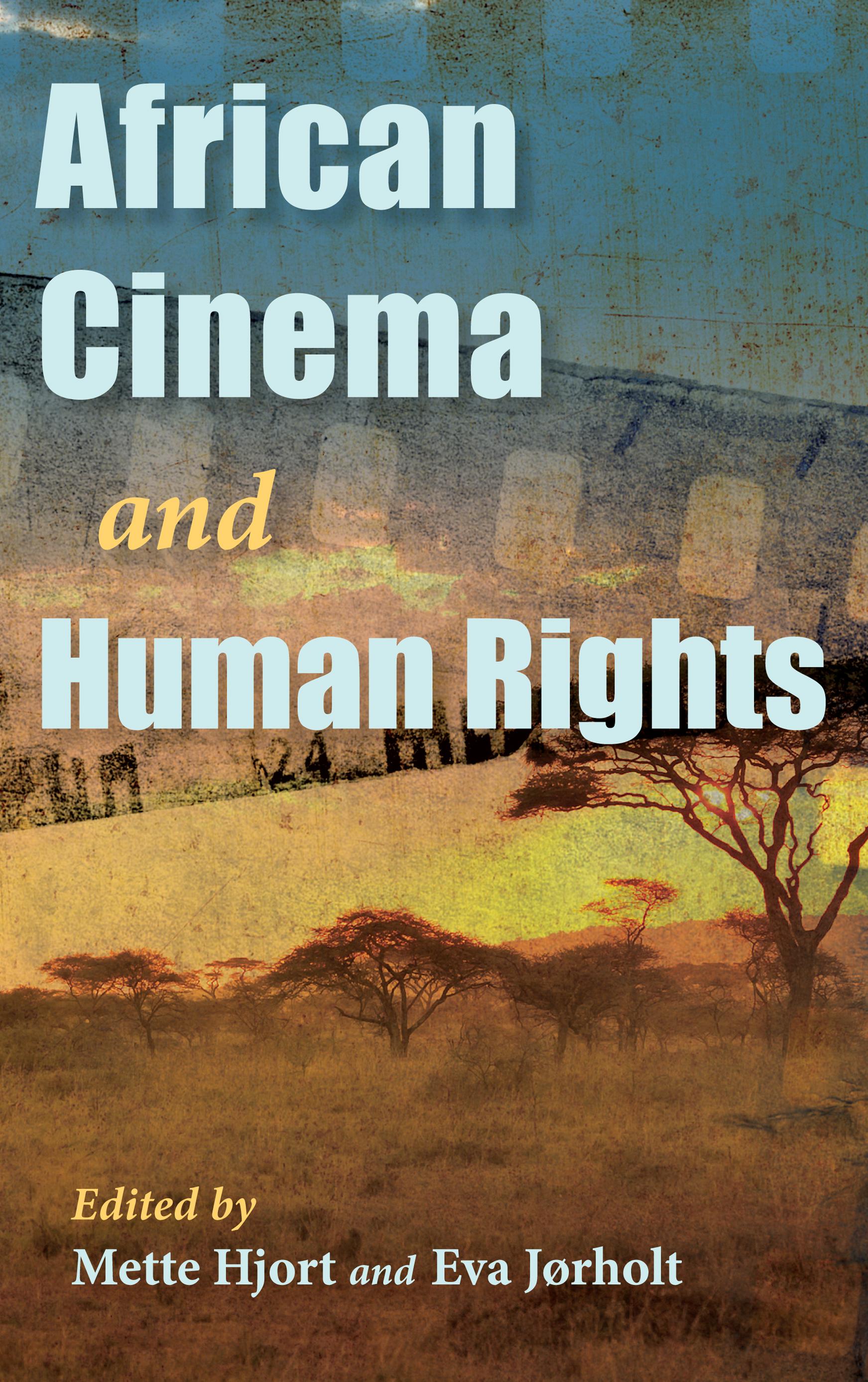
Bringing theory and practice together, African Cinema and Human Rights argues that moving images have a significant role to play in advancing the causes of justice and fairness. The contributors to this volume identify three key ways in which film can achieve these goals: documenting human rights abuses and thereby supporting the claims of victims and goals of truth and reconciliation within larger communities; legitimating, and consequently solidifying, an expanded scope for human rights; and promoting the realization of social and economic rights. Including the voices of African scholars, scholar-filmmakers, African directors Jean-Marie Teno and Gaston Kaboré, and researchers whose work focuses on transnational cinema, this volume explores overall perspectives, and differences of perspective, pertaining to Africa, human rights, and human rights filmmaking alongside specific case studies of individual films and areas of human rights violations. With its interdisciplinary scope, attention to practitioners' self-understandings, broad perspectives, and particular case studies, African Cinema and Human Rights is a foundational text that offers questions, reflections, and evidence that help us to consider film's ideal role within the context of our ever-continuing struggle towards a more just global society.
Pay easily by card, Klarna, Apple Pay or Google Pay. Not happy? You always have a 14-day money-back guarantee. Read more in our terms. If you have any questions, email us at hello@memmo.org.
Memmo makes studying easier – wherever you are in the world. We bring your course books and smart study tools together in one place: summaries, quizzes, podcasts and flashcards. Plus Ted, your study buddy who answers anything you wonder. Over 50,000 students already study here – built to help you learn faster and stress less.