
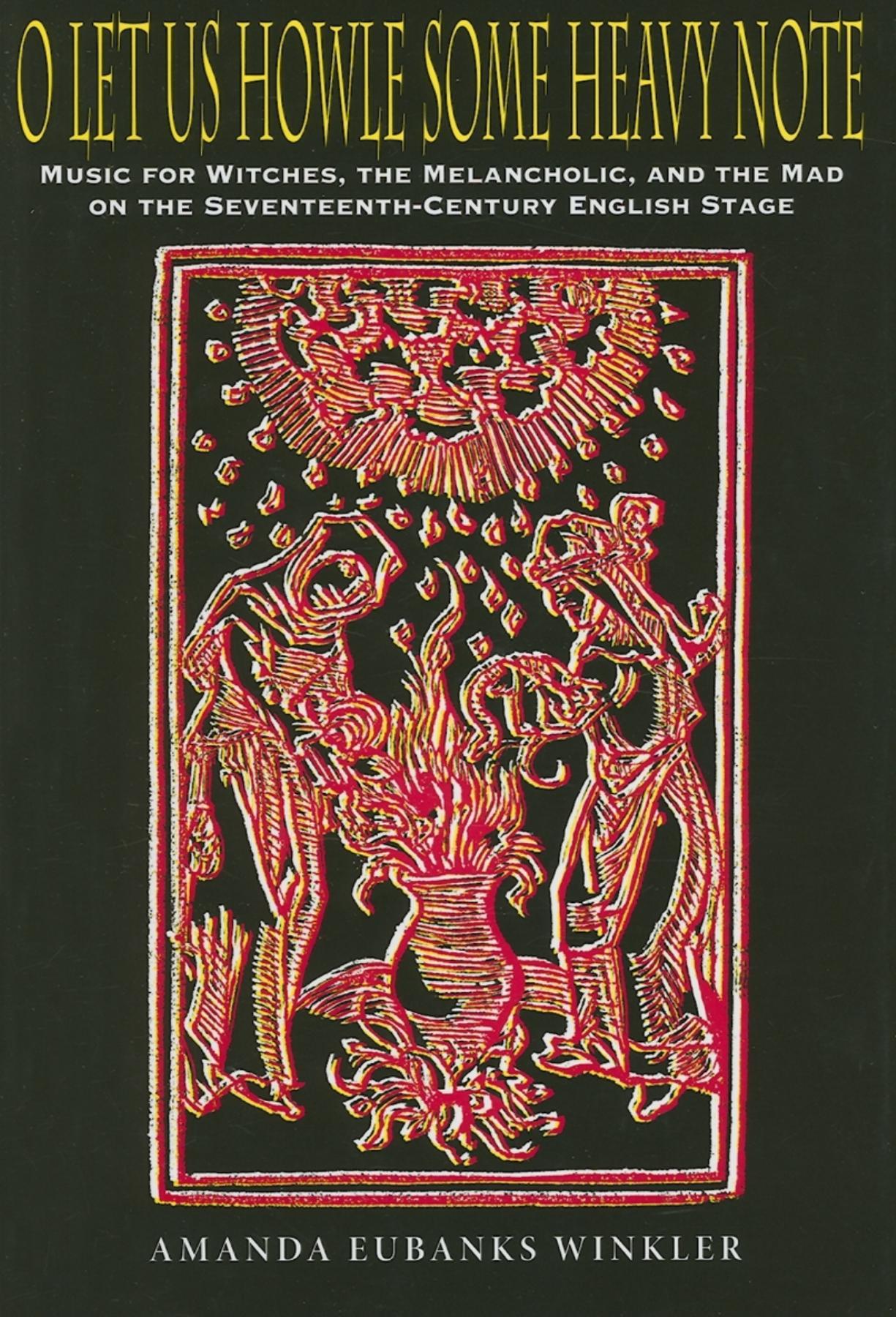
In the 17th century, harmonious sounds were thought to represent the well-ordered body of the obedient subject, and, by extension, the well-ordered state; conversely, discordant, unpleasant music represented both those who caused disorder (murderers, drunkards, witches, traitors) and those who suffered from bodily disorders (melancholics, madmen, and madwomen). While these theoretical correspondences seem straightforward, in theatrical practice the musical portrayals of disorderly characters were multivalent and often ambiguous.
O Let Us Howle Some Heavy Note focuses on the various ways that theatrical music represented disorderly subjects—those who presented either a direct or metaphorical threat to the health of the English kingdom in 17th-century England. Using theater music to examine narratives of social history, Winkler demonstrates how music reinscribed and often resisted conservative, political, religious, gender, and social ideologies.
Pay easily by card, Klarna, Apple Pay or Google Pay. Not happy? You always have a 14-day money-back guarantee. Read more in our terms. If you have any questions, email us at hello@memmo.org.
Memmo makes studying easier – wherever you are in the world. We bring your course books and smart study tools together in one place: summaries, quizzes, podcasts and flashcards. Plus Ted, your study buddy who answers anything you wonder. Over 50,000 students already study here – built to help you learn faster and stress less.