
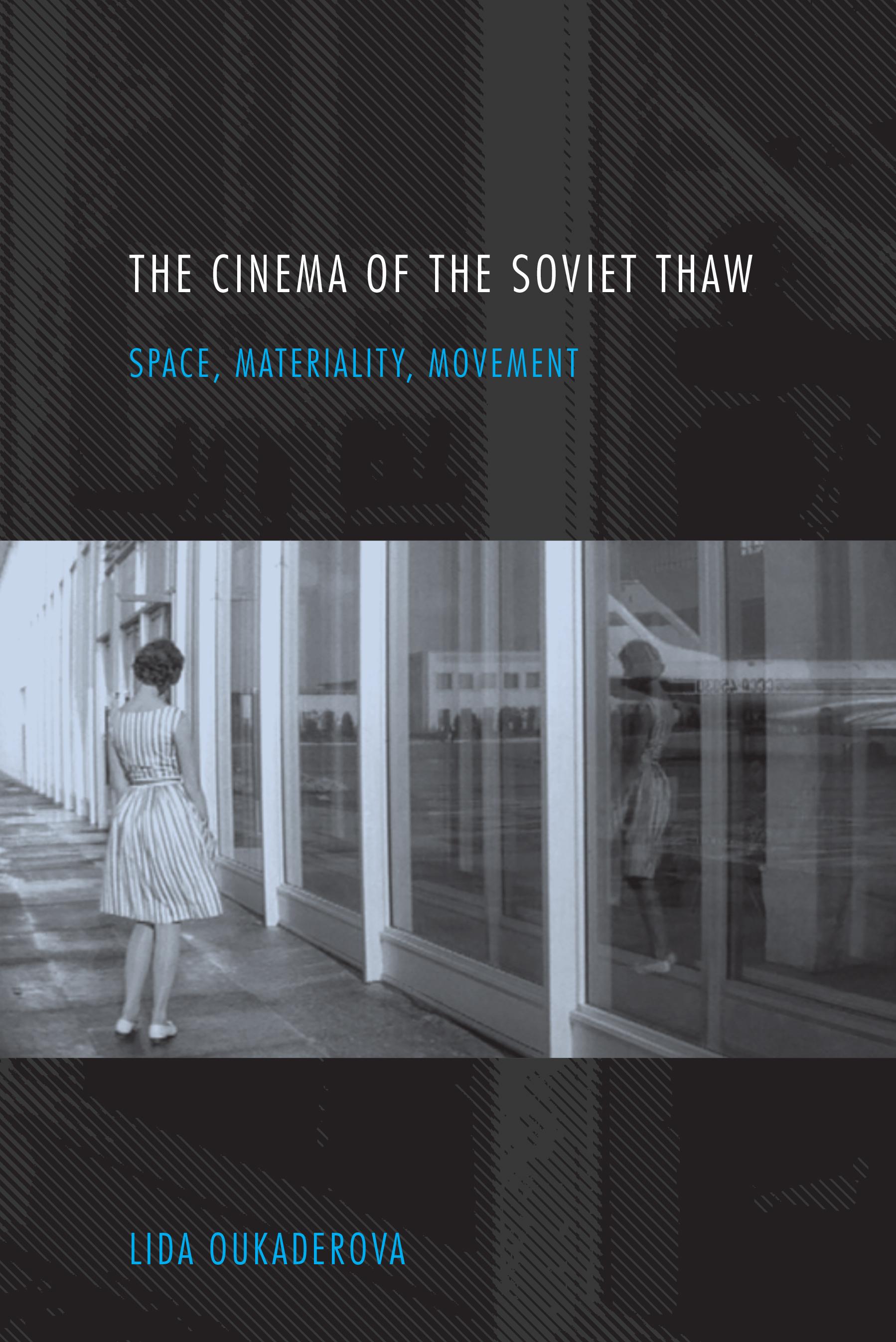
Following Joseph Stalin's death in 1953, the Soviet Union experienced a dramatic resurgence in cinematic production. The period of the Soviet Thaw became known for its relative political and cultural liberalization; its films, formally innovative and socially engaged, were swept to the center of international cinematic discourse. In The Cinema of the Soviet Thaw, Lida Oukaderova provides an in-depth analysis of several Soviet films made between 1958 and 1967 to argue for the centrality of space—as both filmic trope and social concern—to Thaw-era cinema. Opening with a discussion of the USSR's little-examined late-fifties embrace of panoramic cinema, the book pursues close readings of films by Mikhail Kalatozov, Georgii Danelia, Larisa Shepitko and Kira Muratova, among others. It demonstrates that these directors' works were motivated by an urge to interrogate and reanimate spatial experience, and through this project to probe critical issues of ideology, social progress, and subjectivity within post–Stalinist culture.
Pay easily by card, Klarna, Apple Pay or Google Pay. Not happy? You always have a 14-day money-back guarantee. Read more in our terms. If you have any questions, email us at hello@memmo.org.
Memmo makes studying easier – wherever you are in the world. We bring your course books and smart study tools together in one place: summaries, quizzes, podcasts and flashcards. Plus Ted, your study buddy who answers anything you wonder. Over 50,000 students already study here – built to help you learn faster and stress less.