
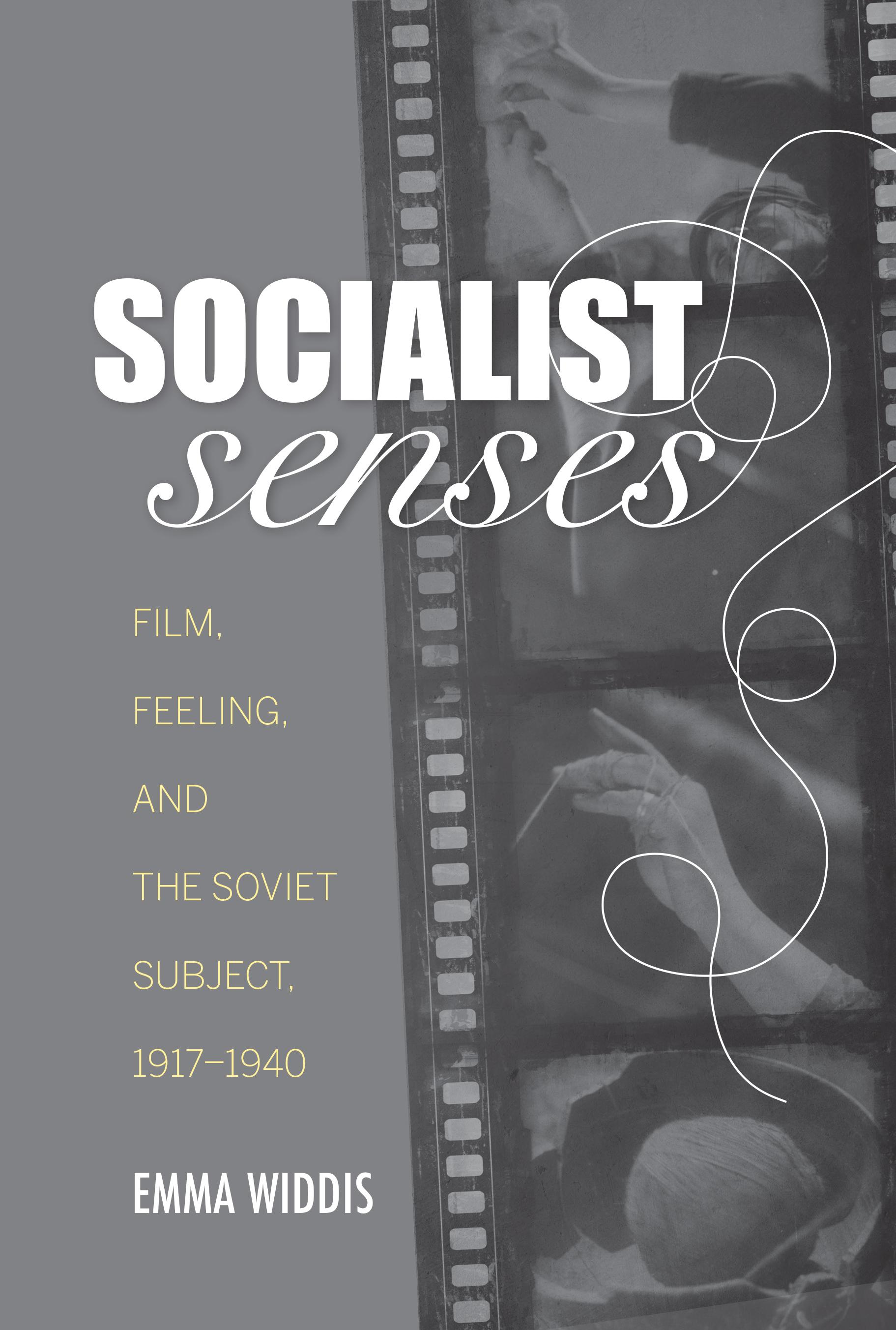
This major reimagining of the history of Soviet film and its cultural impact explores the fundamental transformations in how film, through the senses, remade the Soviet self in the 1920s and 1930s. Following the Russian Revolution, there was a shared ambition for a 'sensory revolution' to accompany political and social change: Soviet men and women were to be reborn into a revitalized relationship with the material world. Cinema was seen as a privileged site for the creation of this sensory revolution: film could both discover the world anew, and model a way of inhabiting it. Drawing upon an extraordinary array of films, noted scholar Emma Widdis shows how Soviet cinema, as it evolved from the revolutionary avant-garde to Socialist Realism, gradually shifted its materialist agenda from emphasizing the external senses to instilling the appropriate internal senses (consciousness, emotions) in the new Soviet subject.
Pay easily by card, Klarna, Apple Pay or Google Pay. Not happy? You always have a 14-day money-back guarantee. Read more in our terms. If you have any questions, email us at hello@memmo.org.
Memmo makes studying easier – wherever you are in the world. We bring your course books and smart study tools together in one place: summaries, quizzes, podcasts and flashcards. Plus Ted, your study buddy who answers anything you wonder. Over 50,000 students already study here – built to help you learn faster and stress less.