
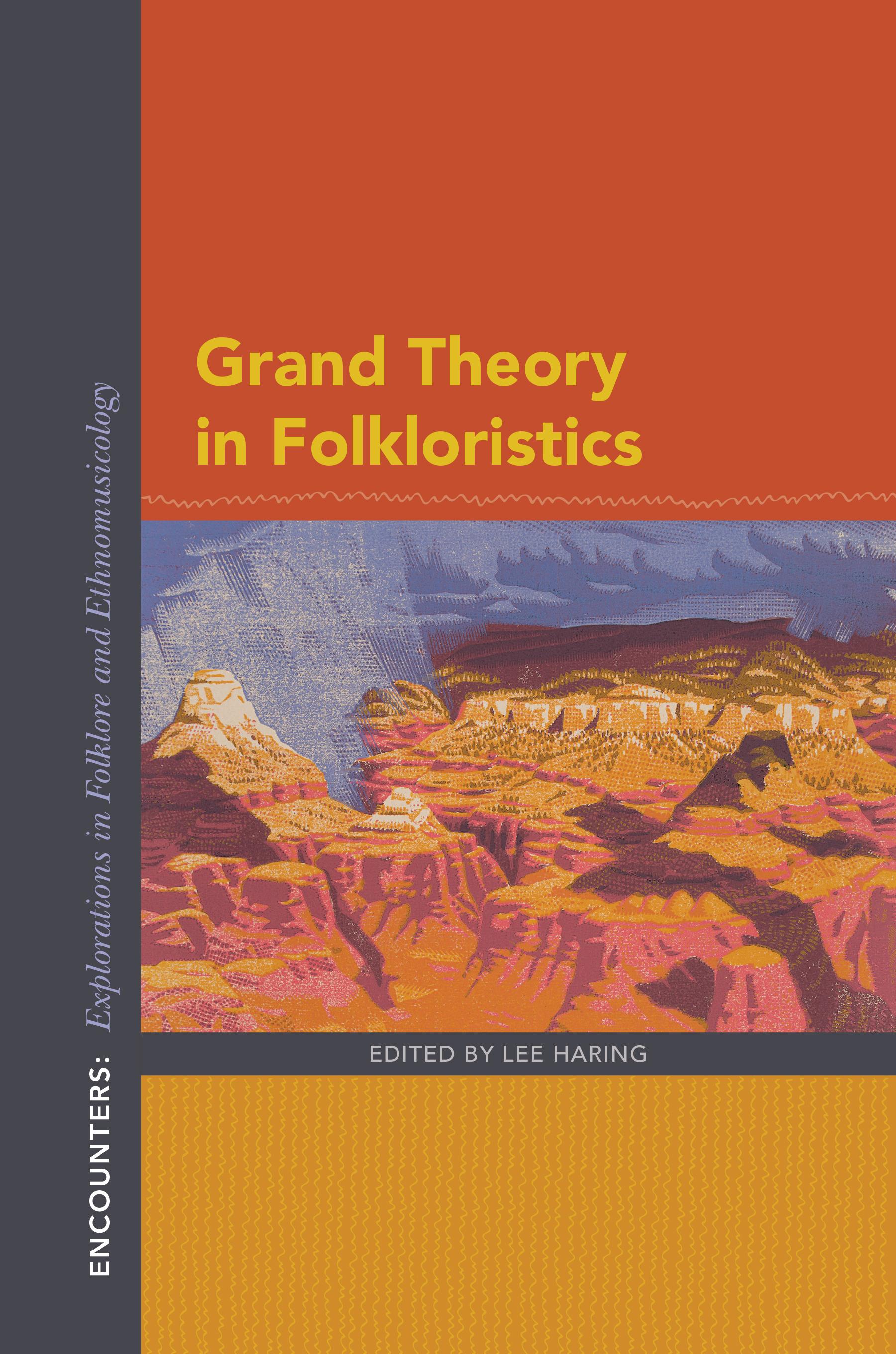
Why is there no "Grand Theory" in the study of folklore? Talcott Parsons (1902–1979) advocated "grand theory," which put the analysis of social phenomena on a new track in the broadest possible terms. Not all sociologists or folklorists accept those broad terms; some still adhere to the empirical level. Through a forum sponsored by the American Folklore Society, the diverse answers to the question of such a theory arrived at substantial agreement: American folklorists have produced little "grand theory." One speaker even found all the theory folklorists need in the history of philosophy. The two women in the forum (Noyes and Mills) spoke in defense of theory that is local, "apt," suited to the audience, and "humble"; the men (Bauman and Fine) reached for something Parsons might have recognized. The essays in this collection, developed from the forum presentations, defend diverse positions, but they largely accept the longstanding concentration in American folkloristics on the quotidian and local.
Pay easily by card, Klarna, Apple Pay or Google Pay. Not happy? You always have a 14-day money-back guarantee. Read more in our terms. If you have any questions, email us at hello@memmo.org.
Memmo makes studying easier – wherever you are in the world. We bring your course books and smart study tools together in one place: summaries, quizzes, podcasts and flashcards. Plus Ted, your study buddy who answers anything you wonder. Over 50,000 students already study here – built to help you learn faster and stress less.