
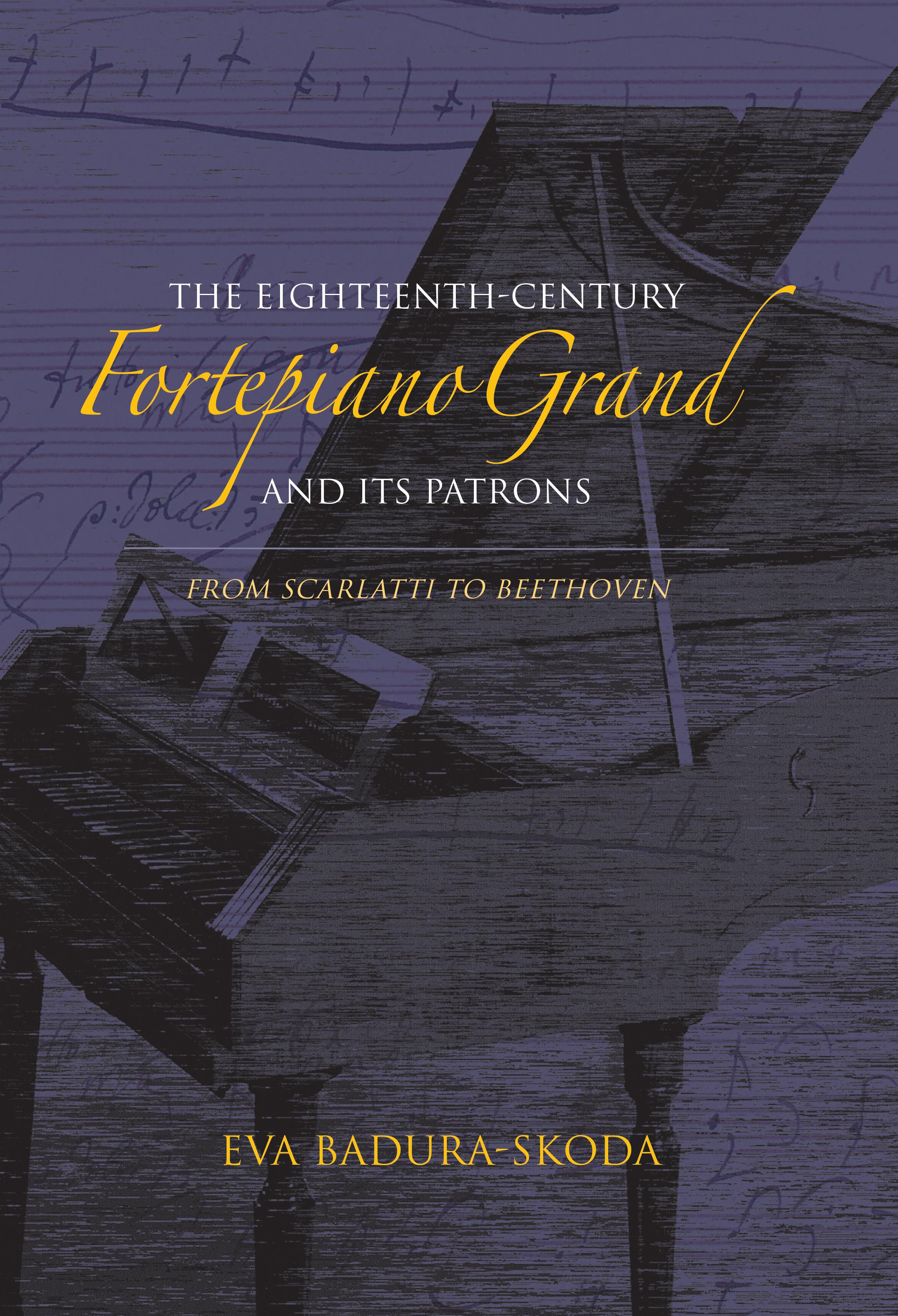
In the late 17th century, Italian musician and inventor Bartolomeo Cristofori developed a new musical instrument—his cembalo che fa il piano e forte, which allowed keyboard players flexible dynamic gradation. This innovation, which came to be known as the hammer-harpsichord or fortepiano grand, was slow to catch on in musical circles. However, as renowned piano historian Eva Badura-Skoda demonstrates, the instrument inspired new keyboard techniques and performance practices and was eagerly adopted by virtuosos of the age, including Scarlatti, J. S. Bach, Clementi, Haydn, Mozart, and Beethoven. Presenting a rich array of archival evidence, Badura-Skoda traces the construction and use of the fortepiano grand across the musical cultures of 18th-century Europe, providing a valuable resource for music historians, organologists, and performers.
Pay easily by card, Klarna, Apple Pay or Google Pay. Not happy? You always have a 14-day money-back guarantee. Read more in our terms. If you have any questions, email us at hello@memmo.org.
Memmo makes studying easier – wherever you are in the world. We bring your course books and smart study tools together in one place: summaries, quizzes, podcasts and flashcards. Plus Ted, your study buddy who answers anything you wonder. Over 50,000 students already study here – built to help you learn faster and stress less.