
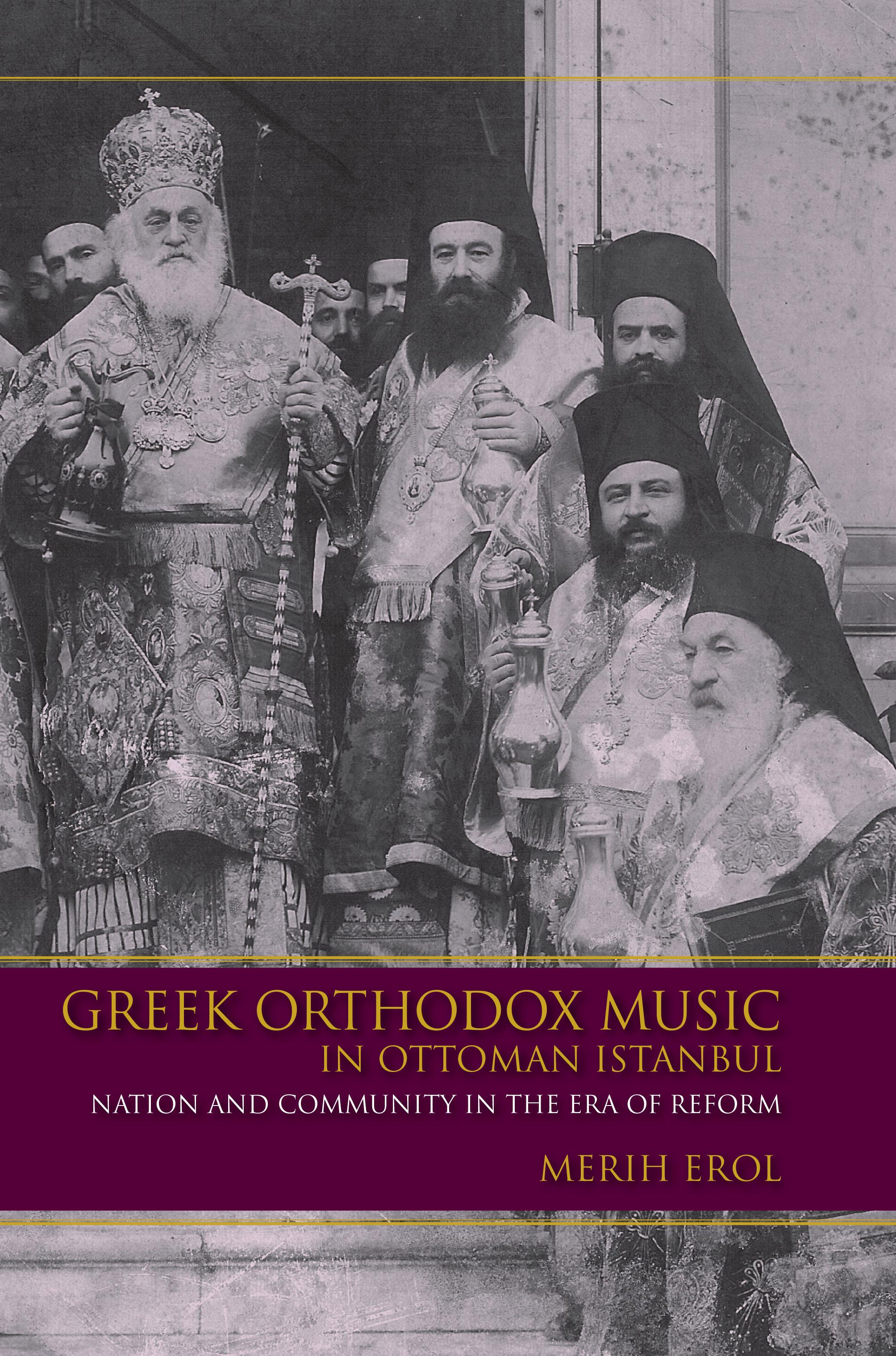
During the late Ottoman period (1856–1922), a time of contestation about imperial policy toward minority groups, music helped the Ottoman Greeks in Istanbul define themselves as a distinct cultural group. A part of the largest non-Muslim minority within a multi-ethnic and multi-religious empire, the Greek Orthodox educated elite engaged in heated discussions about their cultural identity, Byzantine heritage, and prospects for the future, at the heart of which were debates about the place of traditional liturgical music in a community that was confronting modernity and westernization. Merih Erol draws on archival evidence from ecclesiastical and lay sources dealing with understandings of Byzantine music and history, forms of religious chanting, the life stories of individual cantors, and other popular and scholarly sources of the period. Audio examples keyed to the text are available online.
Pay easily by card, Klarna, Apple Pay or Google Pay. Not happy? You always have a 14-day money-back guarantee. Read more in our terms. If you have any questions, email us at hello@memmo.org.
Memmo makes studying easier – wherever you are in the world. We bring your course books and smart study tools together in one place: summaries, quizzes, podcasts and flashcards. Plus Ted, your study buddy who answers anything you wonder. Over 50,000 students already study here – built to help you learn faster and stress less.