
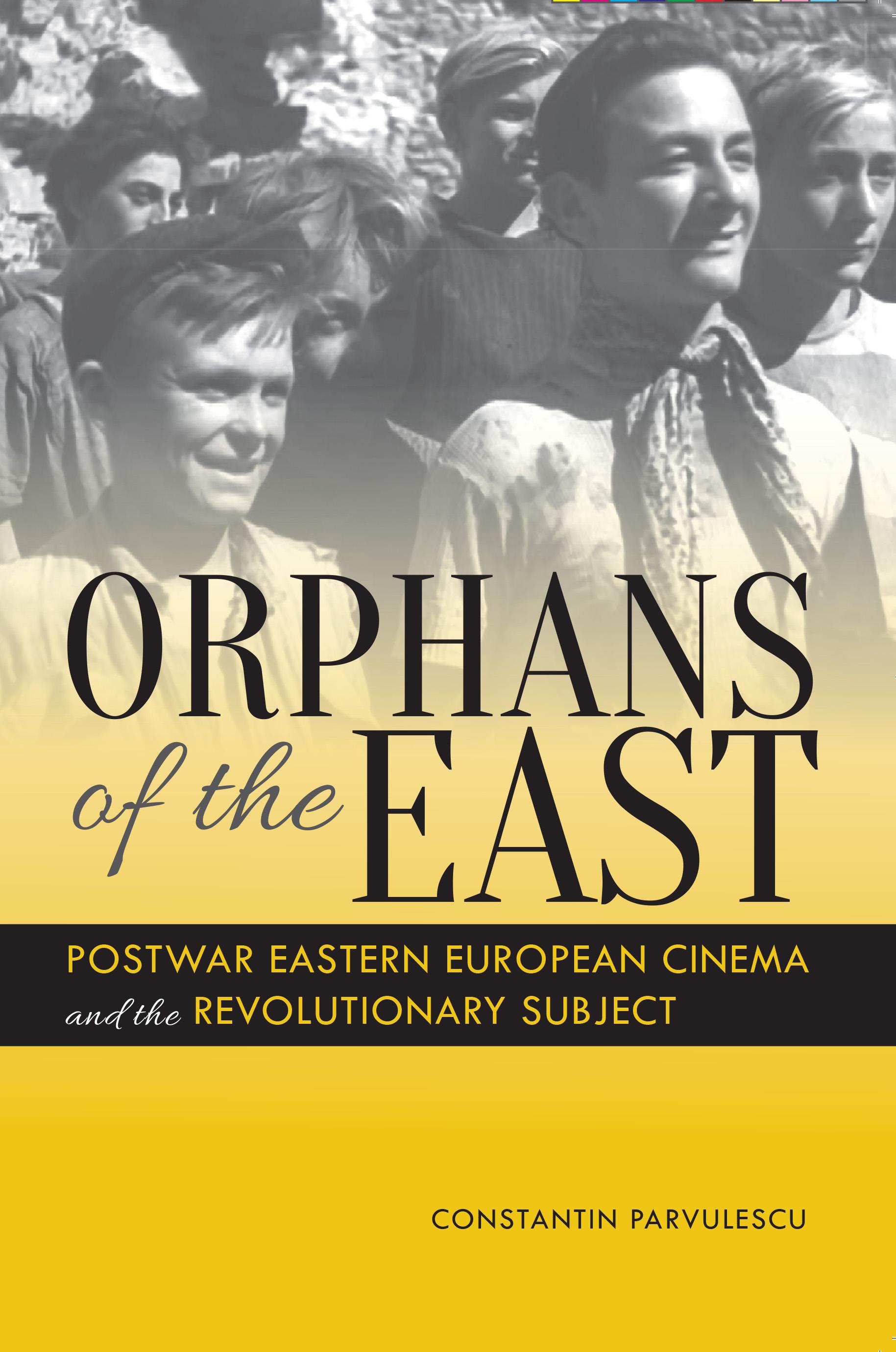
Unlike the benevolent orphan found in Charlie Chaplin's The Kid or the sentimentalized figure of Little Orphan Annie, the orphan in postwar Eastern European cinema takes on a more politically fraught role, embodying the tensions of individuals struggling to recover from war and grappling with an unknown future under Soviet rule. By exploring films produced in postwar Hungary, the German Democratic Republic, Czechoslovakia, Romania, and Poland, Parvulescu traces the way in which cinema envisioned and debated the condition of the post-World War II subject and the "new man" of Soviet-style communism. In these films, the orphan becomes a cinematic trope that interrogates socialist visions of ideological institutionalization and re-education and stands as a silent critic of the system's shortcomings or as a resilient spirit who has resisted capture by the political apparatus of the new state.
Pay easily by card, Klarna, Apple Pay or Google Pay. Not happy? You always have a 14-day money-back guarantee. Read more in our terms. If you have any questions, email us at hello@memmo.org.
Memmo makes studying easier – wherever you are in the world. We bring your course books and smart study tools together in one place: summaries, quizzes, podcasts and flashcards. Plus Ted, your study buddy who answers anything you wonder. Over 50,000 students already study here – built to help you learn faster and stress less.