
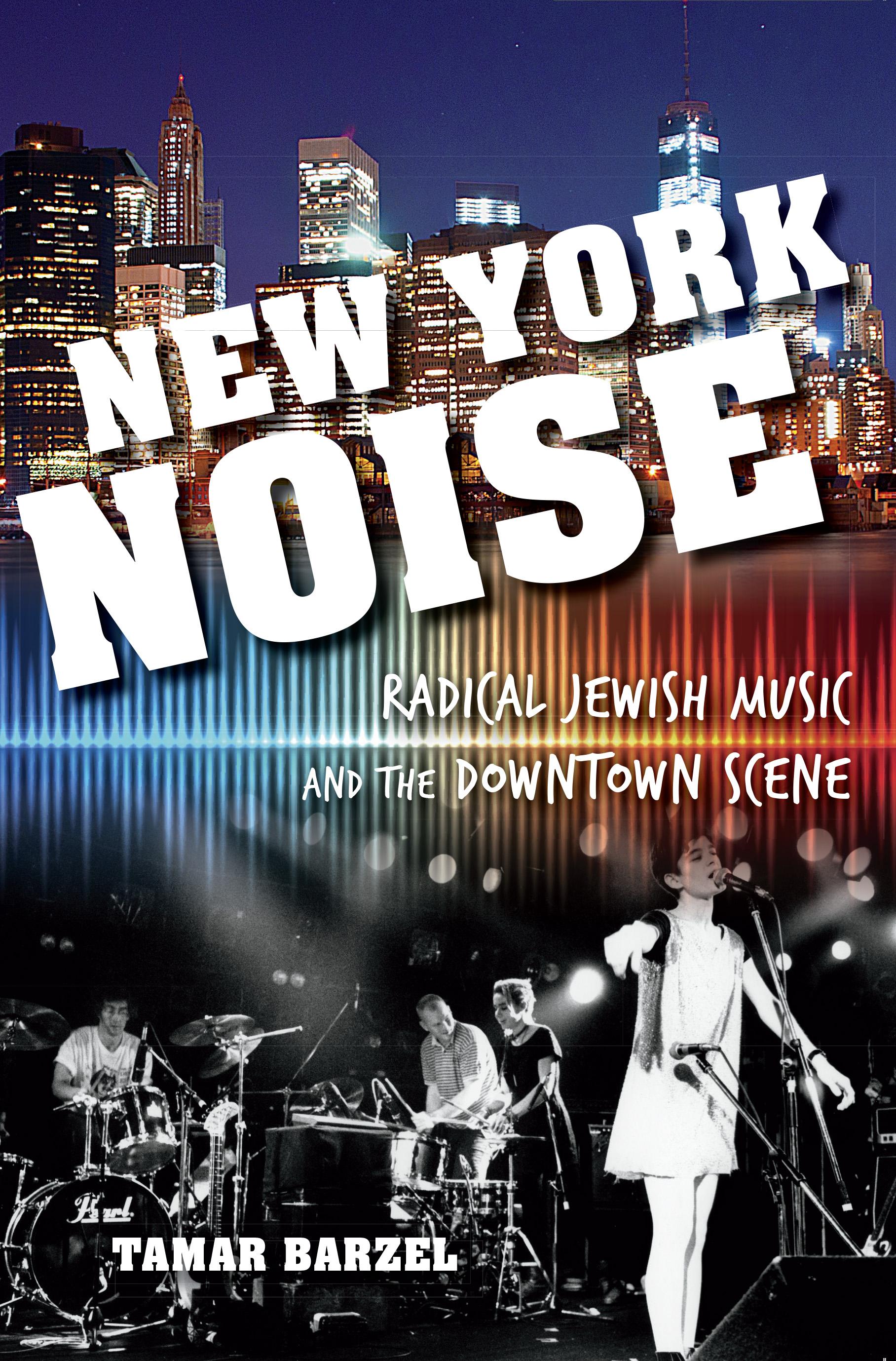
Coined in 1992 by composer/saxophonist John Zorn, "Radical Jewish Culture," or RJC, became the banner under which many artists in Zorn's circle performed, produced, and circulated their music. New York's downtown music scene, part of the once-grungy Lower East Side, has long been the site of cultural innovation. It is within this environment that Zorn and his circle sought to combine, as a form of social and cultural critique, the unconventional, uncategorizable nature of downtown music with sounds that were recognizably Jewish. Out of this movement arose bands, like Hasidic New Wave and Hanukkah Bush, whose eclectic styles encompassed neo-klezmer, hardcore and acid rock, neo-Yiddish cabaret, free verse, free jazz, and electronica. Though relatively fleeting in rock history, the "RJC moment" produced a six-year burst of conversations, writing, and music—including festivals, international concerts, and nearly two hundred new recordings. During a decade of research, Tamar Barzel became a frequent visitor at clubs, post-club hangouts, musicians' dining rooms, coffee shops, and archives. Her book describes the way RJC forged a new vision of Jewish identity in the contemporary world, one that sought to restore the bond between past and present, to interrogate the limits of racial and gender categories, and to display the tensions between secularism and observance, traditional values and contemporary concerns.
Pay easily by card, Klarna, Apple Pay or Google Pay. Not happy? You always have a 14-day money-back guarantee. Read more in our terms. If you have any questions, email us at hello@memmo.org.
Memmo makes studying easier – wherever you are in the world. We bring your course books and smart study tools together in one place: summaries, quizzes, podcasts and flashcards. Plus Ted, your study buddy who answers anything you wonder. Over 50,000 students already study here – built to help you learn faster and stress less.