
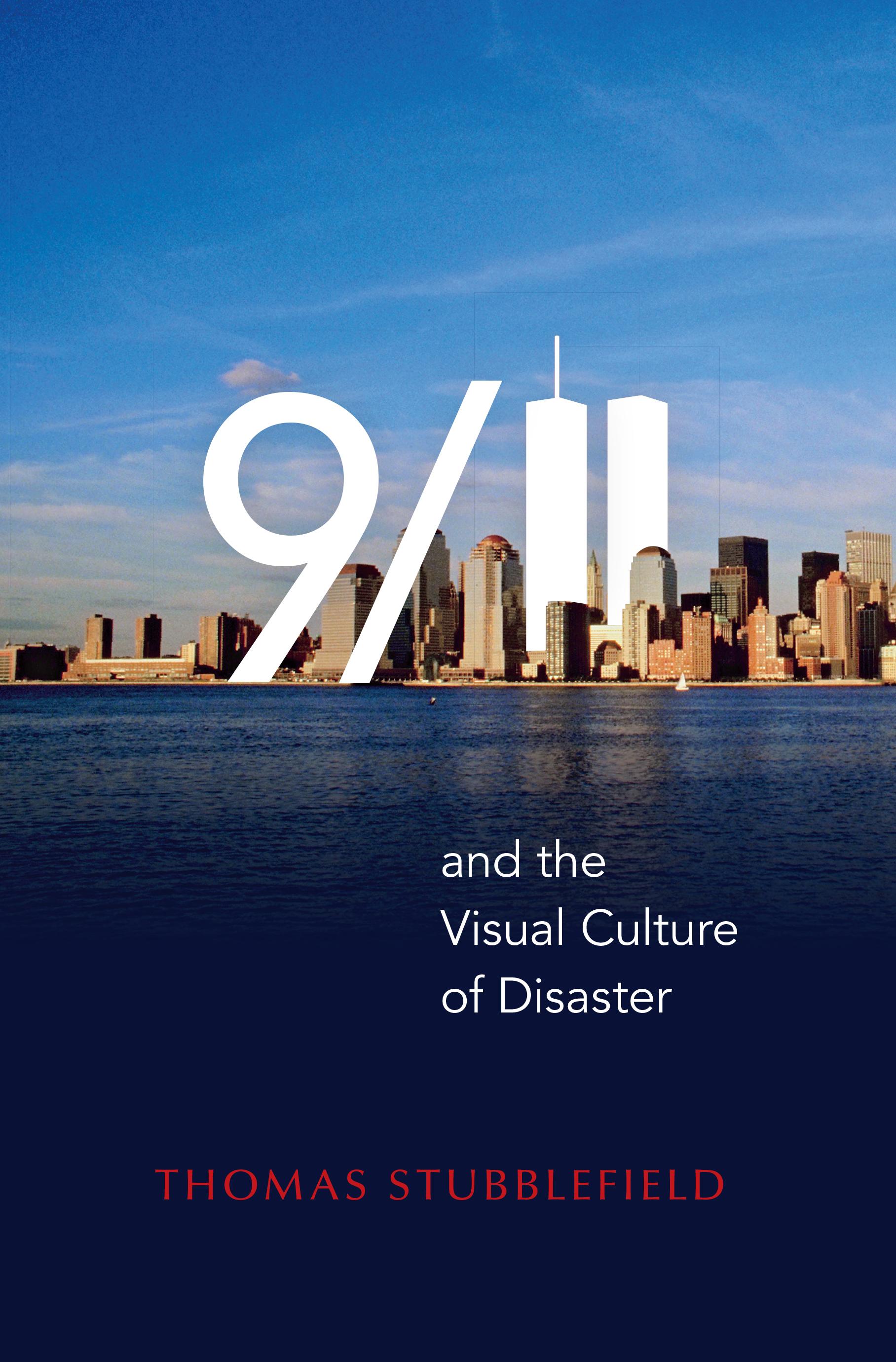
The day the towers fell, indelible images of plummeting rubble, fire, and falling bodies were imprinted in the memories of people around the world. Images that were caught in the media loop after the disaster and coverage of the attack, its aftermath, and the wars that followed reflected a pervasive tendency to treat these tragic events as spectacle. Though the collapse of the World Trade Center was "the most photographed disaster in history," it failed to yield a single noteworthy image of carnage. Thomas Stubblefield argues that the absence within these spectacular images is the paradox of 9/11 visual culture, which foregrounds the visual experience as it obscures the event in absence, erasure, and invisibility. From the spectral presence of the Tribute in Light to Art Spiegelman's nearly blank New Yorker cover, and from the elimination of the Twin Towers from television shows and films to the monumental cavities of Michael Arad's 9/11 memorial, the void became the visual shorthand for the incident. By examining configurations of invisibility and erasure across the media of photography, film, monuments, graphic novels, and digital representation, Stubblefield interprets the post-9/11 presence of absence as the reaffirmation of national identity that implicitly laid the groundwork for the impending invasions of Iraq and Afghanistan.
Pay easily by card, Klarna, Apple Pay or Google Pay. Not happy? You always have a 14-day money-back guarantee. Read more in our terms. If you have any questions, email us at hello@memmo.org.
Memmo makes studying easier – wherever you are in the world. We bring your course books and smart study tools together in one place: summaries, quizzes, podcasts and flashcards. Plus Ted, your study buddy who answers anything you wonder. Over 50,000 students already study here – built to help you learn faster and stress less.