
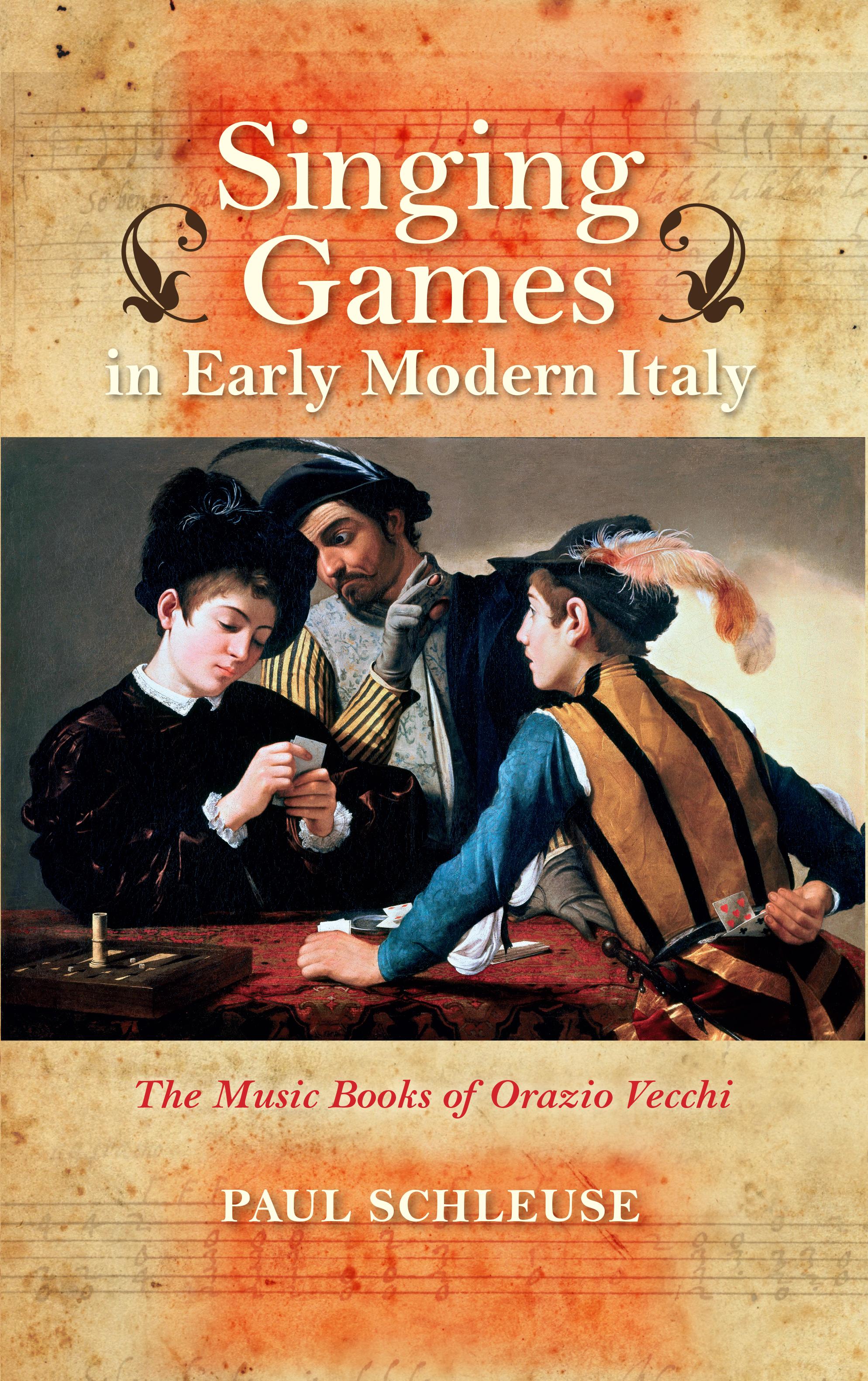
In Italy during the late cinquecento, printed music could be found not only in the homes of the wealthy or the music professional, but also in lay homes, courts, and academies. No longer confined to the salons of the elite, music took on the role of social play and recreation. Paul Schleuse examines these new musical forms through a study of the music books of Italian priest, poet, and composer, Orazio Vecchi. Composed for minor patrons and the wider music-buying public, Vecchi's madrigals took as their subjects game-playing, drinking, hunting, battles, and the life of the street. Schleuse looks at how music and game-playing allowed singers and performers to play the roles of exemplary pastoral characters and also comic, foreign, and "rustic" others in ways that defined and ultimately reinforced social norms of the times. His findings reposition Orazio Vecchi as one of the most innovative composers of the late 16th century.
Pay easily by card, Klarna, Apple Pay or Google Pay. Not happy? You always have a 14-day money-back guarantee. Read more in our terms. If you have any questions, email us at hello@memmo.org.
Memmo makes studying easier – wherever you are in the world. We bring your course books and smart study tools together in one place: summaries, quizzes, podcasts and flashcards. Plus Ted, your study buddy who answers anything you wonder. Over 50,000 students already study here – built to help you learn faster and stress less.