
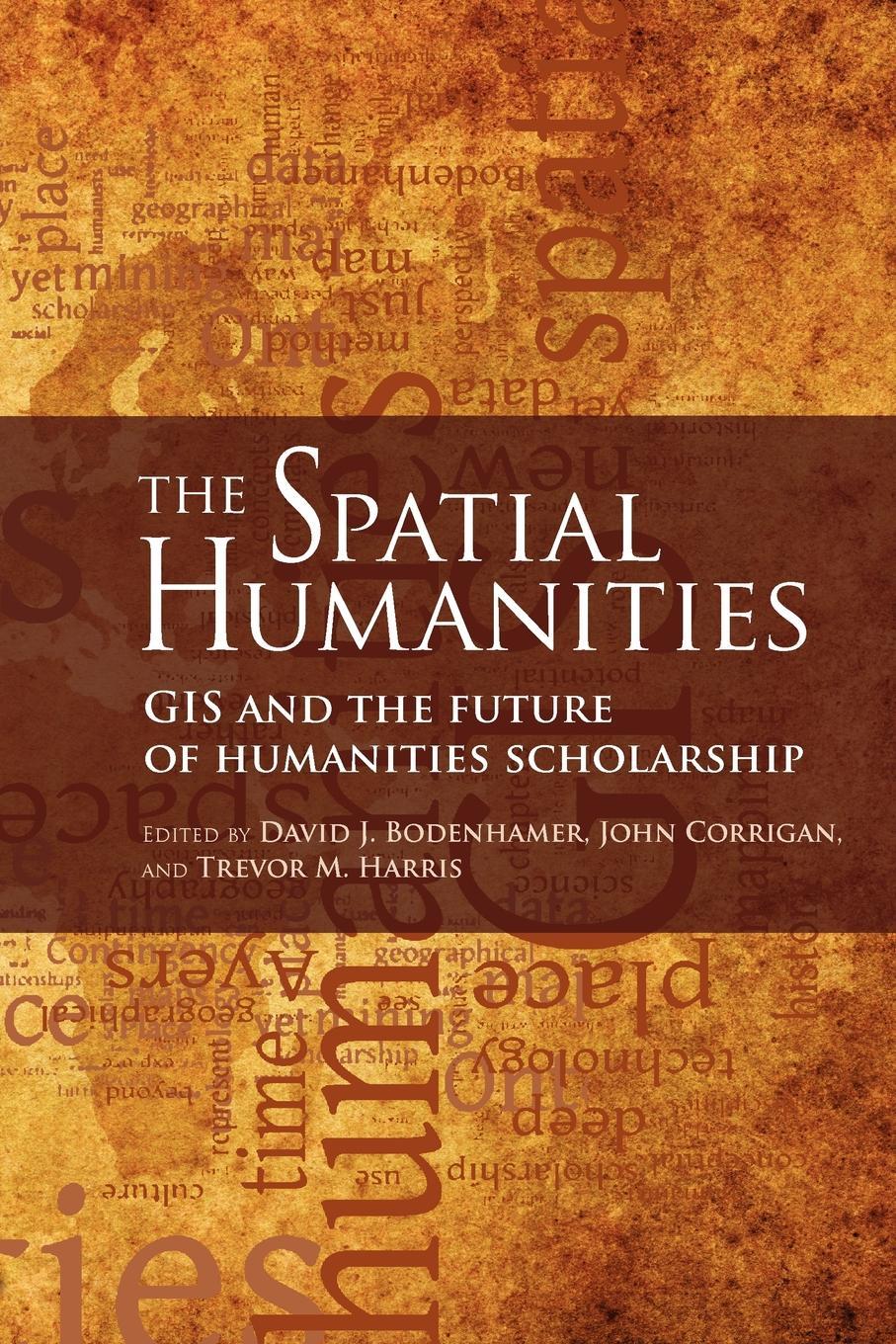
Geographic information systems (GIS) have spurred a renewed interest in the influence of geographical space on human behavior and cultural development. Ideally GIS enables humanities scholars to discover relationships of memory, artifact, and experience that exist in a particular place and across time. Although successfully used by other disciplines, efforts by humanists to apply GIS and the spatial analytic method in their studies have been limited and halting. The Spatial Humanities aims to re-orient—and perhaps revolutionize—humanities scholarship by critically engaging the technology and specifically directing it to the subject matter of the humanities. To this end, the contributors explore the potential of spatial methods such as text-based geographical analysis, multimedia GIS, animated maps, deep contingency, deep mapping, and the geo-spatial semantic web.
Pay easily by card, Klarna, Apple Pay or Google Pay. Not happy? You always have a 14-day money-back guarantee. Read more in our terms. If you have any questions, email us at hello@memmo.org.
Memmo makes studying easier – wherever you are in the world. We bring your course books and smart study tools together in one place: summaries, quizzes, podcasts and flashcards. Plus Ted, your study buddy who answers anything you wonder. Over 50,000 students already study here – built to help you learn faster and stress less.