
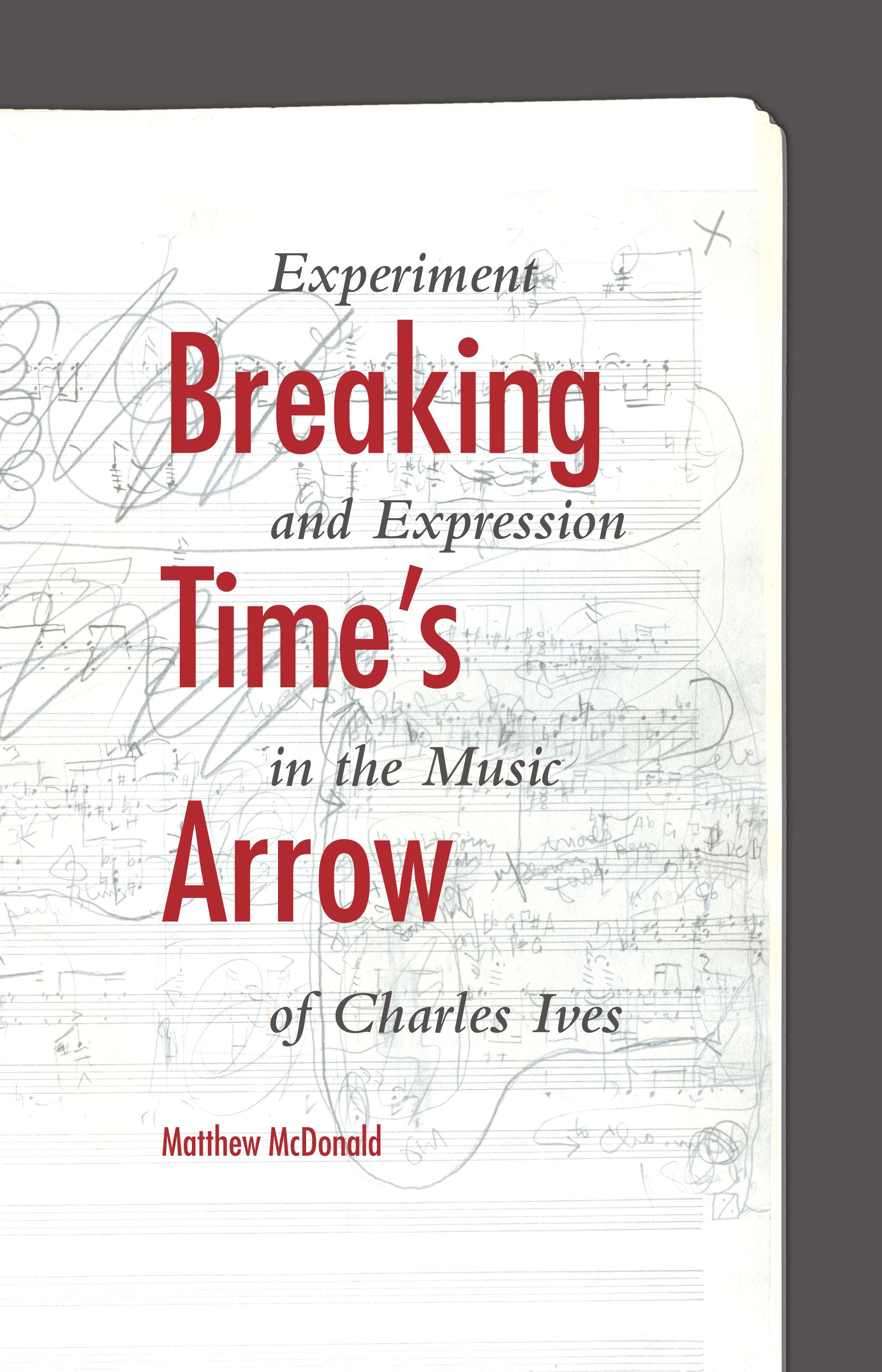
Charles Ives (1874–1954) moved traditional compositional practice in new directions by incorporating modern and innovative techniques with nostalgic borrowings of 19th century American popular music and Protestant hymns. Matthew McDonald argues that the influence of Emerson and Thoreau on Ives's compositional style freed the composer from ordinary ideas of time and chronology, allowing him to recuperate the past as he reached for the musical unknown. McDonald links this concept of the multi-temporal in Ives's works to Transcendentalist understandings of eternity. His approach to Ives opens new avenues for inquiry into the composer's eclectic and complex style.
Pay easily by card, Klarna, Apple Pay or Google Pay. Not happy? You always have a 14-day money-back guarantee. Read more in our terms. If you have any questions, email us at hello@memmo.org.
Memmo makes studying easier – wherever you are in the world. We bring your course books and smart study tools together in one place: summaries, quizzes, podcasts and flashcards. Plus Ted, your study buddy who answers anything you wonder. Over 50,000 students already study here – built to help you learn faster and stress less.