
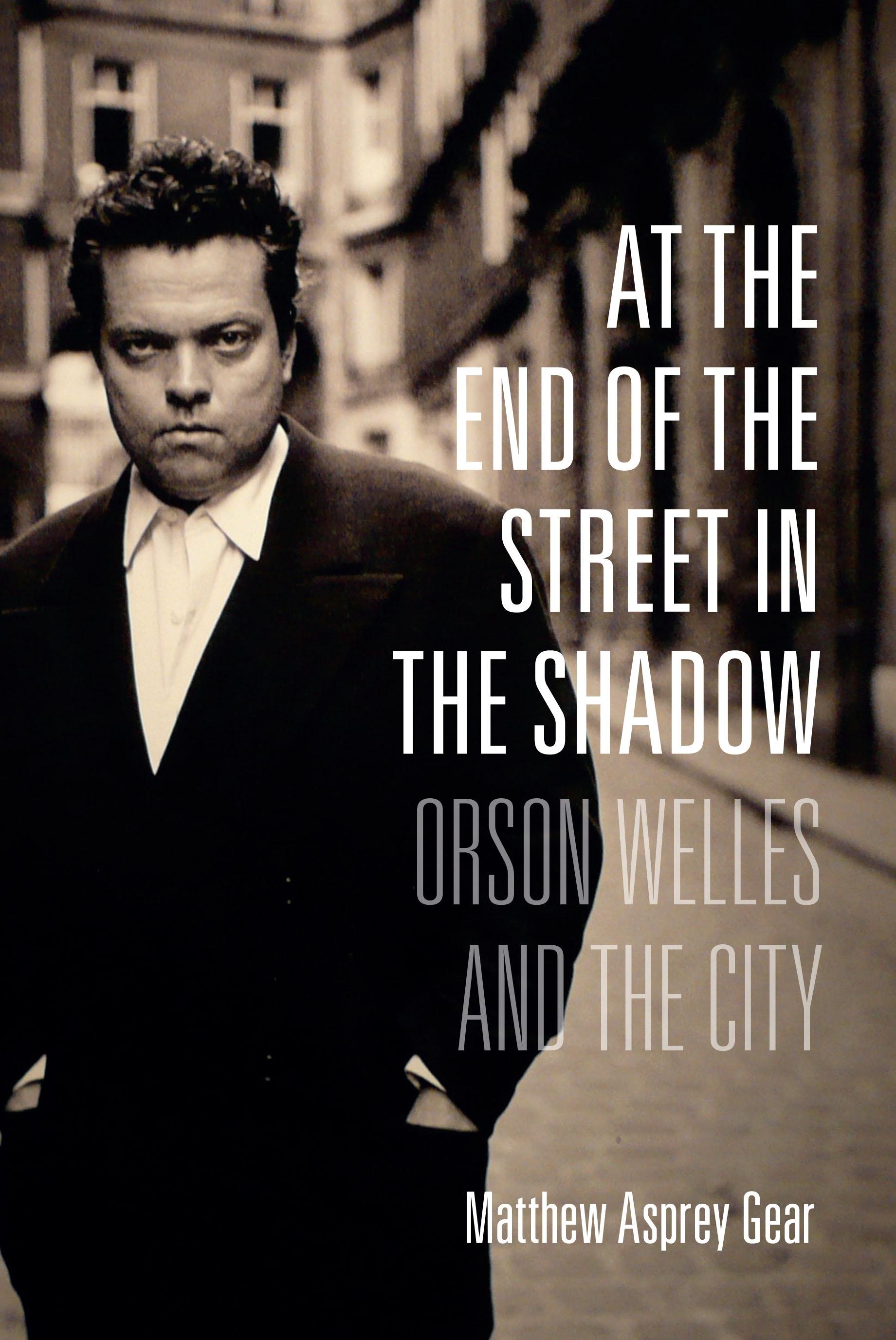
The films of Orson Welles inhabit the spaces of cities—from America's industrializing midland to its noirish borderlands, from Europe's medieval fortresses to its Kafkaesque labyrinths and postwar rubblescapes. His movies take us through dark streets to confront nightmarish struggles for power, the carnivalesque and bizarre, and the shadows and light of human character.
This ambitious new study explores Welles's vision of cities by following recurring themes across his work, including urban transformation, race relations and fascism, the utopian promise of cosmopolitanism, and romantic nostalgia for archaic forms of urban culture. It focuses on the personal and political foundation of Welles's cinematic cities—the way he invents urban spaces on film to serve his dramatic, thematic, and ideological purposes.
The book's critical scope draws on extensive research in international archives and builds on the work of previous scholars. Viewing Welles as a radical filmmaker whose innovative methods were only occasionally compatible with the commercial film industry, this volume examines the filmmaker's original vision for butchered films, such as The Magnificent Ambersons (1942) and Mr. Arkadin (1955), and considers many projects the filmmaker never completed—an immense "shadow oeuvre" ranging from unfinished and unreleased films to unrealized treatments and screenplays.
Pay easily by card, Klarna, Apple Pay or Google Pay. Not happy? You always have a 14-day money-back guarantee. Read more in our terms. If you have any questions, email us at hello@memmo.org.
Memmo makes studying easier – wherever you are in the world. We bring your course books and smart study tools together in one place: summaries, quizzes, podcasts and flashcards. Plus Ted, your study buddy who answers anything you wonder. Over 50,000 students already study here – built to help you learn faster and stress less.