
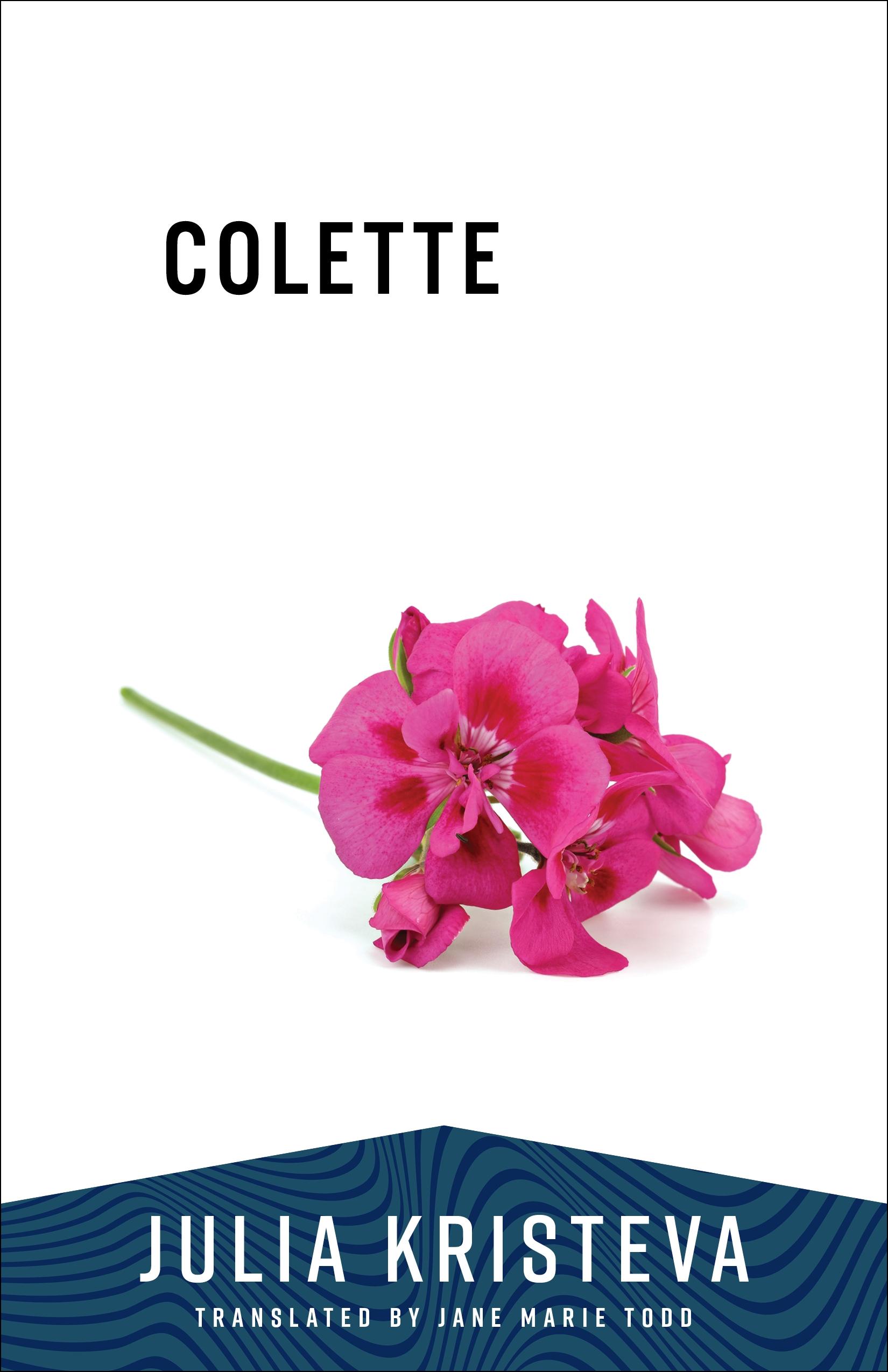
This intellectual biography of Colette—the final volume of Julia Kristeva's trilogy on "female genius"—is a major breakthrough in understanding one of the great creative minds of the twentieth century.
Colette (1873-1954) was a prolific novelist who celebrated sexual pleasure and invented a language for it at a time when women writers were inhibited about dealing with the topic. Female sexuality in a male-dominated world and the joys and pains of love served as her main themes, and her novels—Cheri, La Chatte, and Gigi, among them—blurred the boundaries between fact and fiction long before autobiographical novels became commonplace. She married three times, had male and female lovers, and for a time supported herself as a mime, dancing semi-nude in music halls throughout France. When she died, she received the first state funeral the French Republic had ever given a woman.
Colette's writing was inspired by entertainers, courtesans, an aristocratic Parisian lesbian subculture, and fin de siècle gay aesthetes. She admired those who lived on the sexual edge and was accused of moral corruption in intellectual matters—she published in pro-Vichy, anti-Semitic journals during the Occupation, even as she fought to keep her Jewish third husband from deportation. Kristeva deftly examines Colette's controversial life and work and considers two of her most important influences, Honoré de Balzac and Marcel Proust. Paying particular attention to the language the French writer used to "say the unsayable and name the unnameable," Kristeva offers an elegant and sophisticated critique of Colette's psychological conflicts, particularly her sexual relationships and how these conflicts are both recorded in and resolved through the act of writing.
Appealing to Freudian and Lacanian concepts such as the Oedipus complex, perversion, the symbolic, and melancholy, Kristeva opens Colette's oeuvre to psychoanalytic interpretation. The impression that remains is of a woman intent on experiencing the world's pleasures—its jouissance.
Pay easily by card, Klarna, Apple Pay or Google Pay. Not happy? You always have a 14-day money-back guarantee. Read more in our terms. If you have any questions, email us at hello@memmo.org.
Memmo makes studying easier – wherever you are in the world. We bring your course books and smart study tools together in one place: summaries, quizzes, podcasts and flashcards. Plus Ted, your study buddy who answers anything you wonder. Over 50,000 students already study here – built to help you learn faster and stress less.