
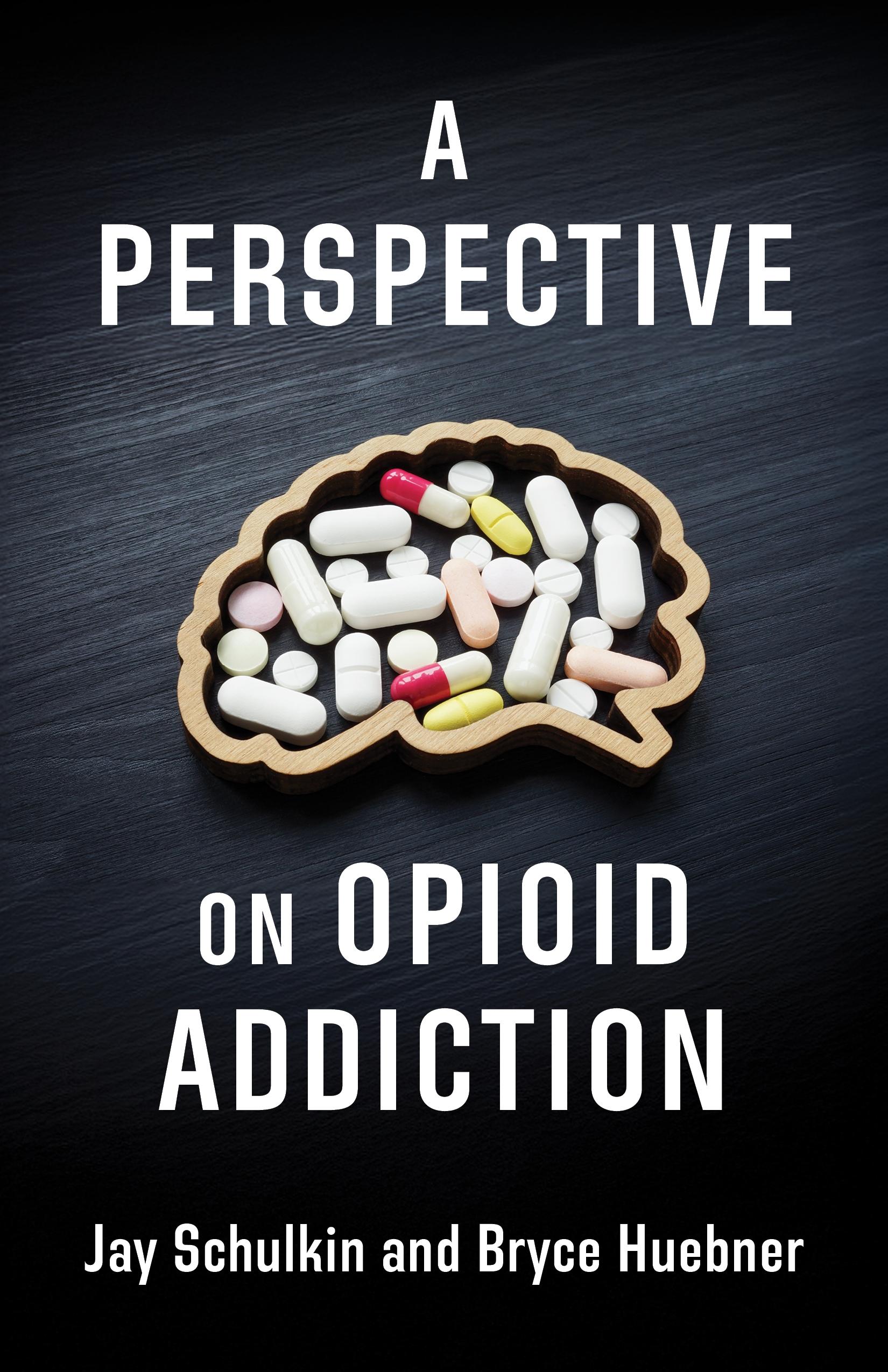
Today, the opioid crisis often feels intractable. This book offers a wider perspective on its underlying causes, examining the biological, psychological, and social aspects of addiction and the interactions among them.
Jay Schulkin, a behavioral neuroscientist, and Bryce Huebner, a philosopher, explore the complexities of opioid addiction through a distinctive combination of neuroscientific knowledge and pragmatist thought. They detail the biological and neurological processes that shape and sustain addiction, showing why opiates’ power to ease pain makes us vulnerable to abusing them. The book discusses the relationship between addiction and depression, the dilemmas of pain management, and the meaning of recovery. Schulkin and Huebner underscore the stigma that marginalizes people who struggle with addiction and the social factors that shape access to treatment and care, calling for a focus on harm reduction. They consider questions of individual and social accountability, reflecting on choice, autonomy, and freedom.
Interdisciplinary and wide-ranging, this book brings deep learning, empathy, and insight to understanding the experience of addiction.
Pay easily by card, Klarna, Apple Pay or Google Pay. Not happy? You always have a 14-day money-back guarantee. Read more in our terms. If you have any questions, email us at hello@memmo.org.
Memmo makes studying easier – wherever you are in the world. We bring your course books and smart study tools together in one place: summaries, quizzes, podcasts and flashcards. Plus Ted, your study buddy who answers anything you wonder. Over 75,000 students already study here – built to help you learn faster and stress less.