
Winner, 2024 Eliot Freidson Outstanding Publication Award, Medical Sociology Section, American Sociological Association
Honorable Mention, 2025 Best Book Award, Sociology of Mental Health Section, American Sociological Association
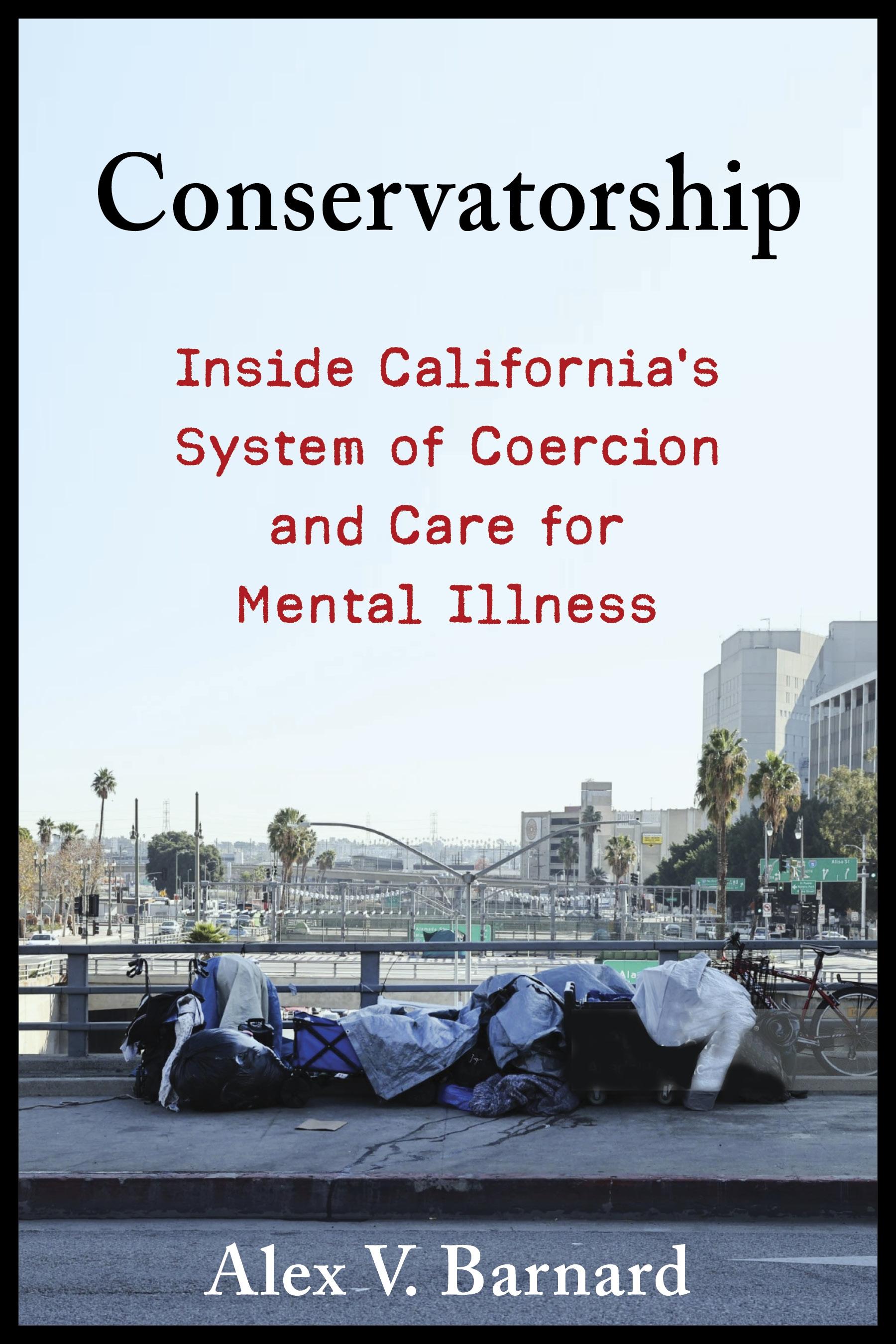
Is involuntary psychiatric treatment the solution to the intertwined crises of untreated mental illness, homelessness, and addiction? In recent years, politicians and advocates have sought to expand the use of conservatorships, a legal tool used to force someone deemed “gravely disabled,” or unable to meet their needs for food, clothing, or shelter as a result of mental illness, to take medication and be placed in a locked facility. At the same time, civil liberties and disability rights groups have seized on cases like that of Britney Spears to argue that conservatorships are inherently abusive.
Conservatorship is an incisive and compelling portrait of the functioning—and failings—of California’s conservatorship system. Drawing on hundreds of interviews with professionals, policy makers, families, and conservatees, Alex V. Barnard takes readers to the streets where police encounter homeless people in crisis, the locked wards where people receiving treatment are confined, and the courtrooms where judges decide on conservatorship petitions. As he shows, California’s state government has abdicated authority over this system, leaving the question of who receives compassionate care and who faces coercion dependent on the financial incentives of for-profit facilities, the constraints of underresourced clinicians, and the desperate struggles of families to obtain treatment for their loved ones.
This book offers a timely warning: reforms to expand conservatorship will lead to more coercion but little transformative care until government assumes accountability for ensuring the health and dignity of its most vulnerable citizens.
Pay easily by card, Klarna, Apple Pay or Google Pay. Not happy? You always have a 14-day money-back guarantee. Read more in our terms. If you have any questions, email us at hello@memmo.org.
Memmo makes studying easier – wherever you are in the world. We bring your course books and smart study tools together in one place: summaries, quizzes, podcasts and flashcards. Plus Ted, your study buddy who answers anything you wonder. Over 50,000 students already study here – built to help you learn faster and stress less.