
Winner, 2023 Charles Tilly Distinguished Contribution to Scholarship Book Award, Collective Behavior and Social Movements Section, American Sociological Association
Honorable Mention, 2023 Peace, War, and Social Conflict Section Outstanding Book Award, Peace, War, and Social Conflict Section, American Sociological Association
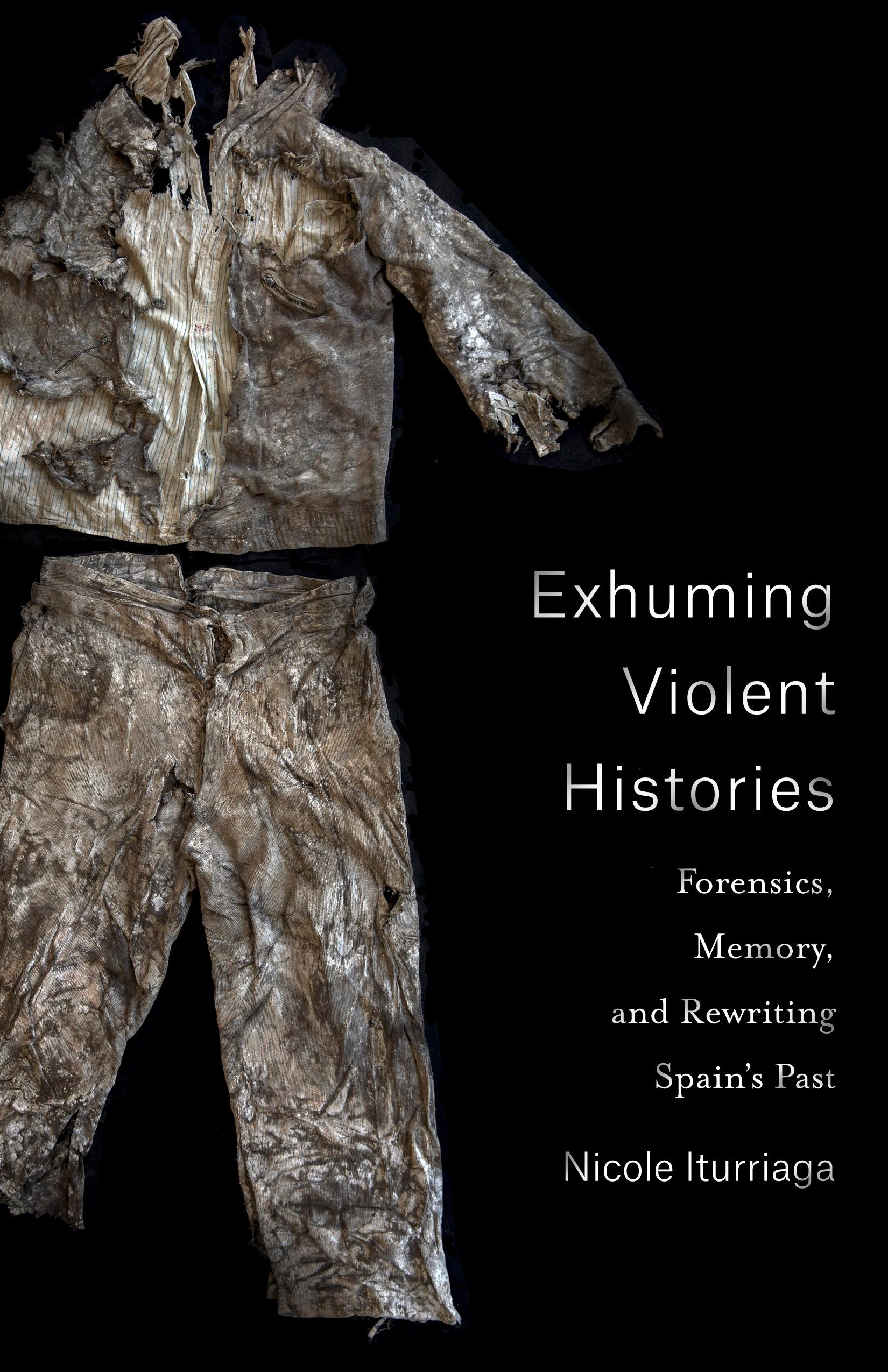
Many years after the fall of Franco’s regime, Spanish human rights activists have turned to new methods to keep the memory of state terror alive. By excavating mass graves, exhuming remains, and employing forensic analysis and DNA testing, they seek to provide direct evidence of repression and break through the silence about the dictatorship’s atrocities that persisted well into Spain’s transition to democracy.
Nicole Iturriaga offers an ethnographic examination of how Spanish human rights activists use forensic methods to challenge dominant histories, reshape collective memory, and create new forms of transitional justice. She argues that by grounding their claims in science, activists can present themselves as credible and impartial, helping them intervene in fraught public disputes about the remembrance of the past. The perceived legitimacy and authenticity of scientific techniques allows their users to contest the state’s historical claims and offer new narratives of violence in pursuit of long-delayed justice.
Iturriaga draws on interviews with technicians and forensics experts and provides a detailed case study of Spain’s best-known forensic human rights organization, the Association for the Recovery of Historical Memory. She also considers how the tools and tactics used in Spain can be adopted by human rights and civil society groups pursuing transitional justice in other parts of the world. An ethnographically rich account, Exhuming Violent Histories sheds new light on how science and technology intersect with human rights and collective memory.
Pay easily by card, Klarna, Apple Pay or Google Pay. Not happy? You always have a 14-day money-back guarantee. Read more in our terms. If you have any questions, email us at hello@memmo.org.
Memmo makes studying easier – wherever you are in the world. We bring your course books and smart study tools together in one place: summaries, quizzes, podcasts and flashcards. Plus Ted, your study buddy who answers anything you wonder. Over 50,000 students already study here – built to help you learn faster and stress less.