
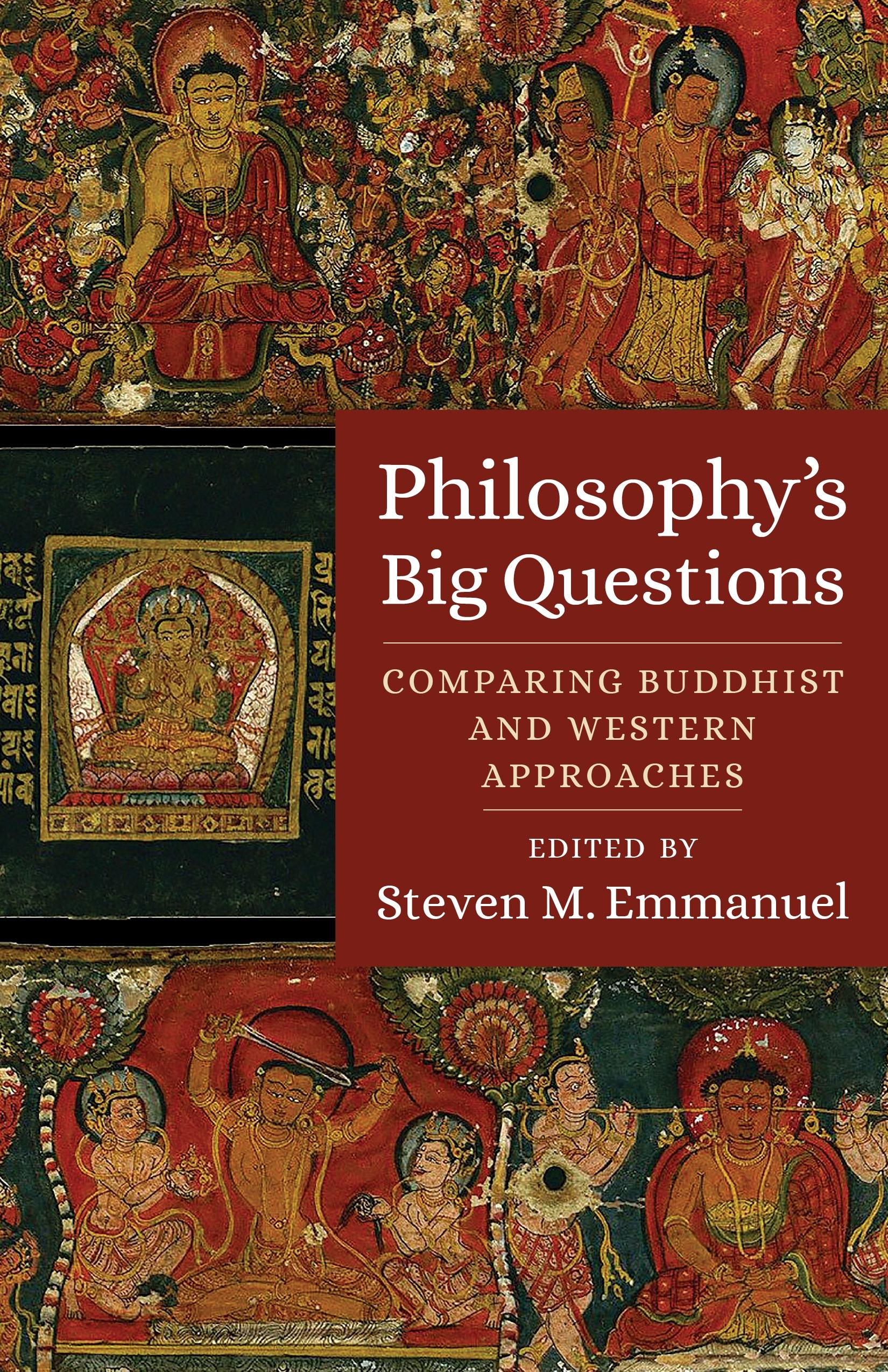
Certain questions have recurred throughout the history of philosophy. They are the big questions—about happiness and the good life, the limits of knowledge, the ultimate structure of reality, the nature of consciousness, the relation between causality and free will, the pervasiveness of suffering, and the conditions for a just and flourishing society—that thinkers in different cultures across the ages have formulated in their own terms in an attempt to make sense of their lives and the world around them.
The essays in this book turn to the major figures and texts of the Buddhist tradition in order to expand and enrich our thinking on these enduring questions. Examining them from a comparative and cross-cultural perspective demonstrates the value of alternative ways of addressing philosophical problems, showing how different approaches can produce new and unexpected kinds of questions and answers. Engaging with the Buddhist tradition, this book shows, helps return philosophy to its practical as well as theoretical aim: not only understanding the world but also knowing how to live in it.
Featuring striking and generative comparisons of Buddhist and Western thought, Philosophy’s Big Questions challenges our thinking in fundamental ways and offers readers new conceptual tools, methods, and insights for the pursuit of a good and happy life.
Pay easily by card, Klarna, Apple Pay or Google Pay. Not happy? You always have a 14-day money-back guarantee. Read more in our terms. If you have any questions, email us at hello@memmo.org.
Memmo makes studying easier – wherever you are in the world. We bring your course books and smart study tools together in one place: summaries, quizzes, podcasts and flashcards. Plus Ted, your study buddy who answers anything you wonder. Over 50,000 students already study here – built to help you learn faster and stress less.