
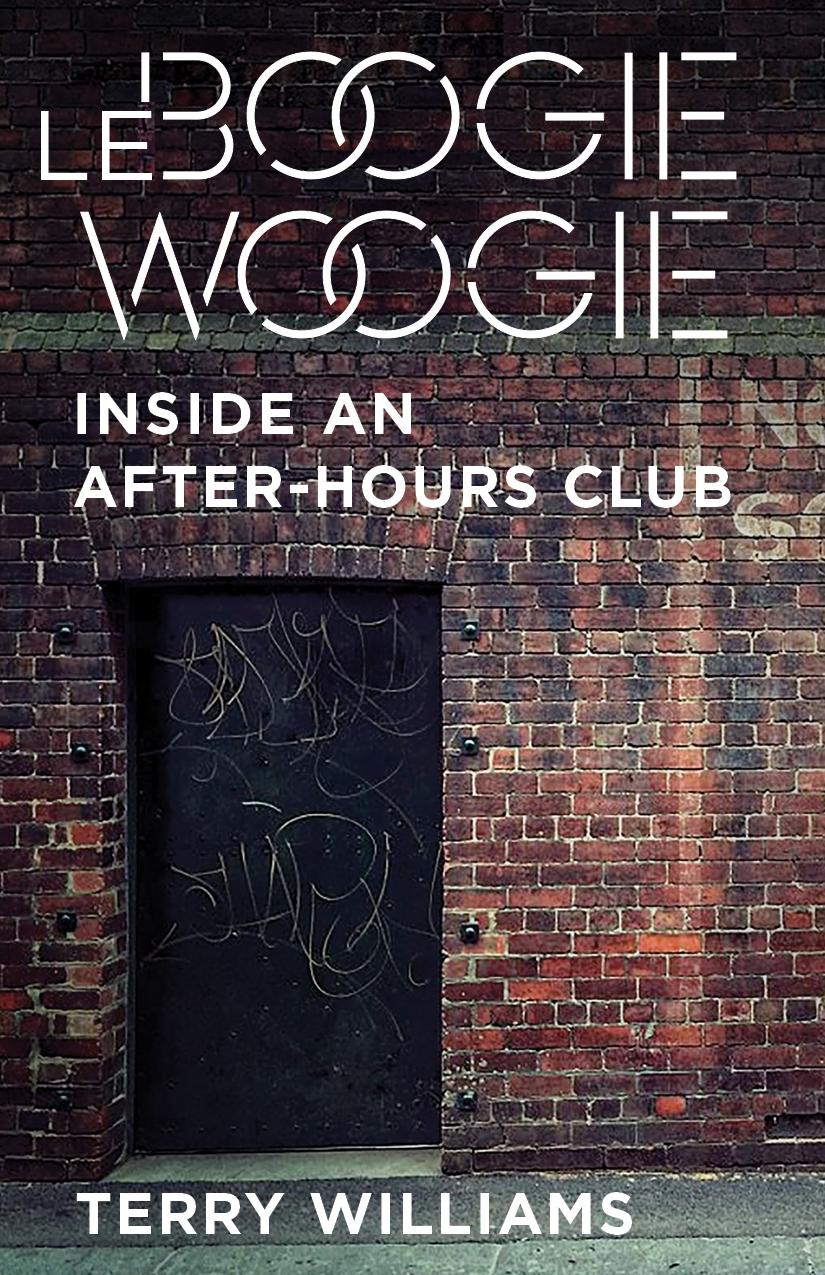
The “after-hours club” is a fixture of the African American ghetto. It is a semisecret, unlicensed “spot” where “regulars” and “tourists” mingle with “hustlers” to buy and use drugs long after regular bars are closed and the party has ended for the “squares.” After-hours clubs are found in most cities, but for people outside of their particular milieu, they are formidably difficult to identify and even more difficult to access.
The sociologist Terry Williams returns to the cocaine culture of Harlem in the 1980s and ’90s with an ethnographic account of a club he calls Le Boogie Woogie. He explores the life of a cast of characters that includes regulars and bar workers, dealers and hustlers, following social interaction around the club’s active bar, with its colorful staff and owner and the “sniffers” who patronize it. In so doing, Williams delves into the world of after-hours clubs, exploring their longstanding function in the African American community as neighborhood institutions and places of autonomy for people whom mainstream society grants few spaces of freedom. He contrasts Le Boogie Woogie, which he visited in the 1990s, with a Lower East Side club, dubbed Murphy’s Bar, twenty years later to show how “cool” remains essential to those outside the margins of society even as what it means to be “cool” changes. Le Boogie Woogie is an exceptional ethnographic portrait of an underground culture and its place within a changing city.
Pay easily by card, Klarna, Apple Pay or Google Pay. Not happy? You always have a 14-day money-back guarantee. Read more in our terms. If you have any questions, email us at hello@memmo.org.
Memmo makes studying easier – wherever you are in the world. We bring your course books and smart study tools together in one place: summaries, quizzes, podcasts and flashcards. Plus Ted, your study buddy who answers anything you wonder. Over 50,000 students already study here – built to help you learn faster and stress less.