
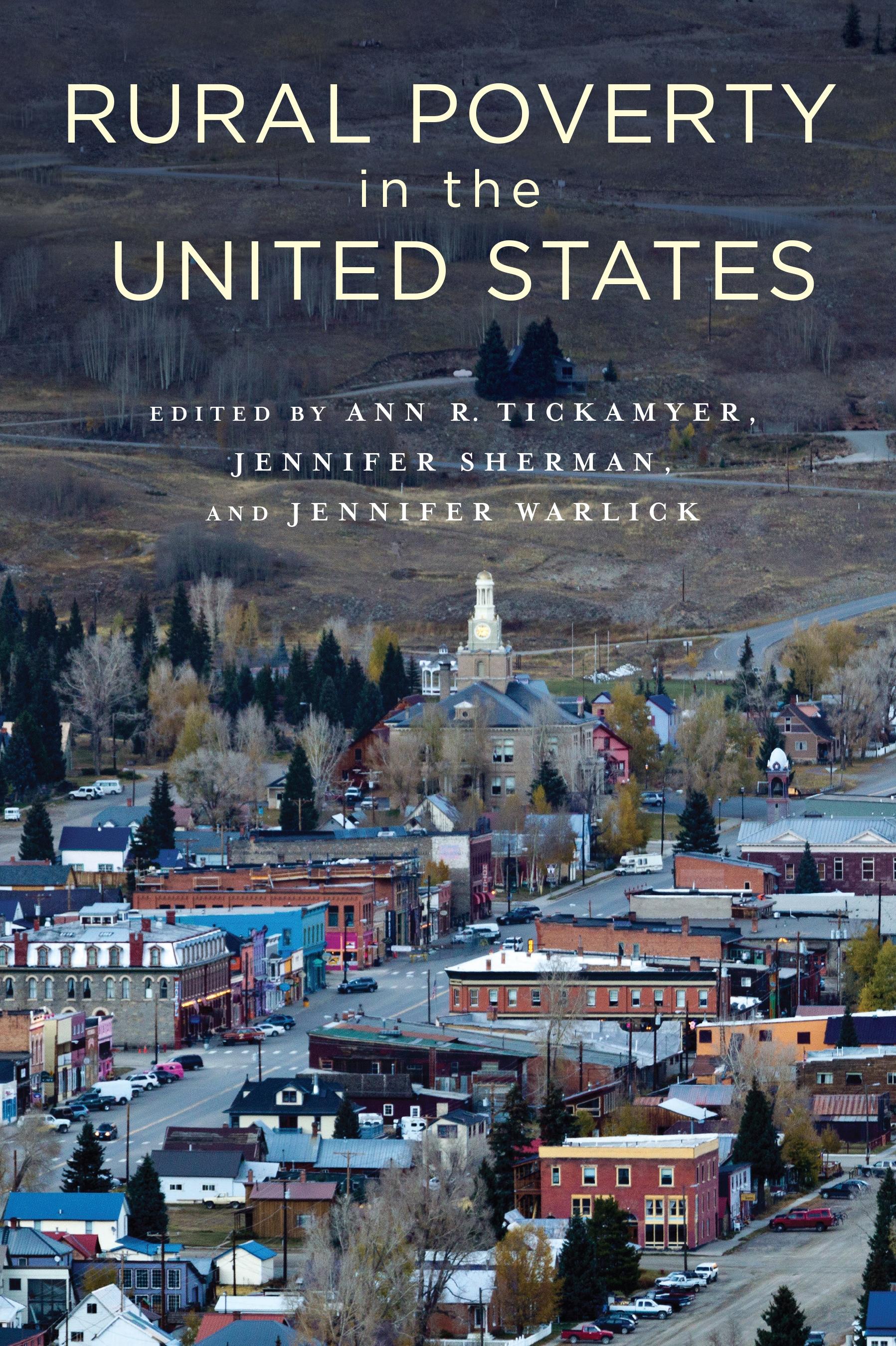
America's rural areas have always held a disproportionate share of the nation's poorest populations. Rural Poverty in the United States examines why. What is it about the geography, demography, and history of rural communities that keeps them poor? In a comprehensive analysis that extends from the Civil War to the present, Rural Poverty in the United States looks at access to human and social capital; food security; healthcare and the environment; homelessness; gender roles and relations; racial inequalities; and immigration trends to isolate the underlying causes of persistent rural poverty.
Contributors to this volume incorporate approaches from multiple disciplines, including sociology, economics, demography, race and gender studies, public health, education, criminal justice, social welfare, and other social science fields. They take a hard look at current and past programs to alleviate rural poverty and use their failures to suggest alternatives that could improve the well-being of rural Americans for years to come. These essays work hard to define rural poverty's specific metrics and markers, a critical step for building better policy and practice. Considering gender, race, and immigration, the book appreciates the overlooked structural and institutional dimensions of ongoing rural poverty and its larger social consequences.
Pay easily by card, Klarna, Apple Pay or Google Pay. Not happy? You always have a 14-day money-back guarantee. Read more in our terms. If you have any questions, email us at hello@memmo.org.
Memmo makes studying easier – wherever you are in the world. We bring your course books and smart study tools together in one place: summaries, quizzes, podcasts and flashcards. Plus Ted, your study buddy who answers anything you wonder. Over 50,000 students already study here – built to help you learn faster and stress less.