
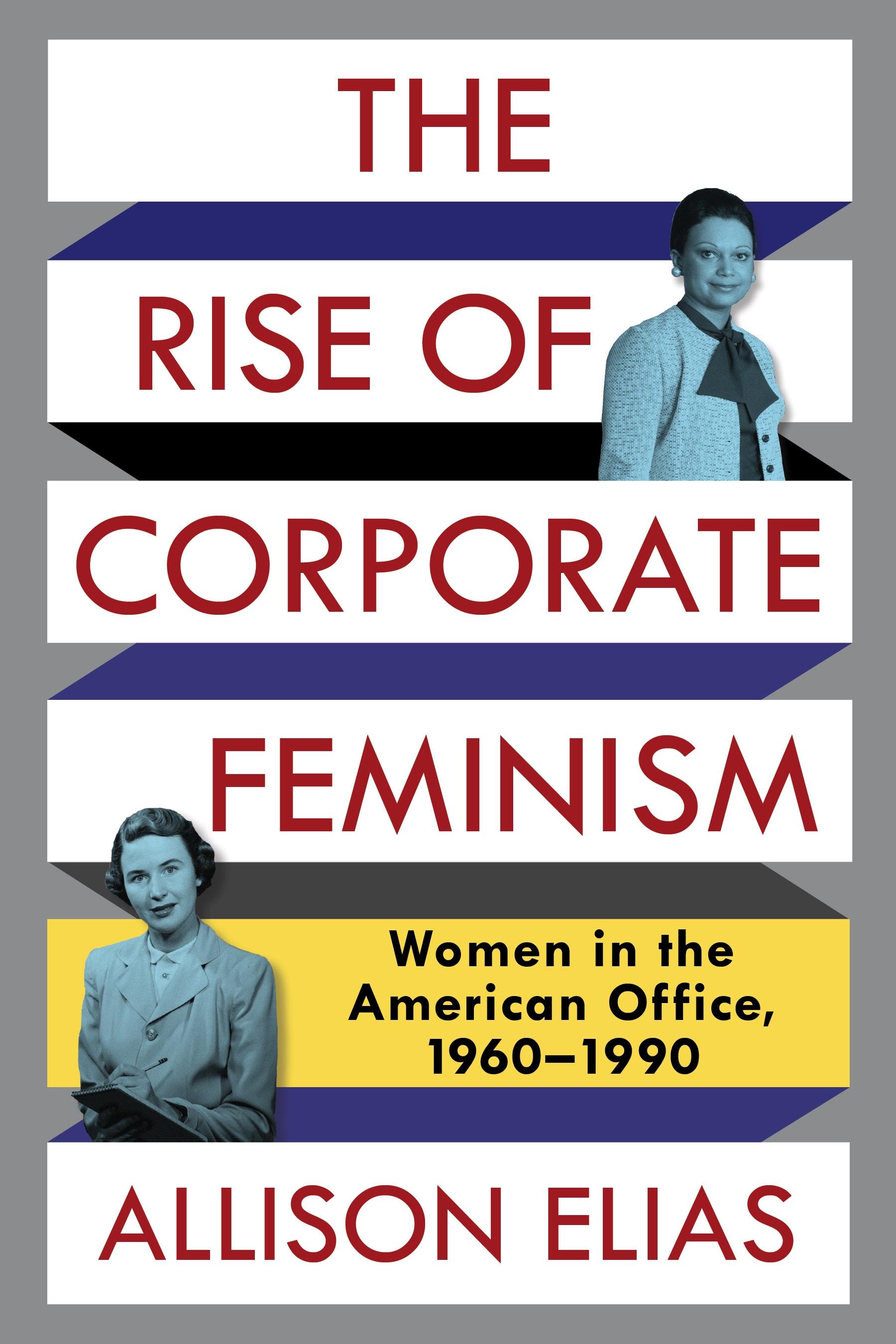
From the 1960s through the 1990s, the most common job for women in the United States was clerical work. Even as college-educated women obtained greater opportunities for career advancement, occupational segregation by gender remained entrenched. How did feminism in corporate America come to represent the individual success of the executive woman and not the collective success of the secretary?
Allison Elias argues that feminist goals of advancing equal opportunity and promoting meritocracy unintentionally undercut the status and prospects of so-called “pink-collar” workers. In the 1960s, ideas about sex equality spurred some clerical workers to organize, demanding “raises and respect,” while others pushed for professionalization through credentialing. This cross-class alliance pushed a feminist agenda that included unionizing some clerical workers and advancing others who had college degrees into management. But these efforts diverged in the 1980s, when corporations adopted measures to move qualified women into their upper ranks. By the 1990s, corporate support for professional women resulted in an individualistic feminism that focused on the needs of those at the top. Meanwhile, as many white, college-educated women advanced up the corporate ladder, clerical work became a job for lower-socioeconomic-status women of all races.
The Rise of Corporate Feminism considers changes in the workplace surrounding affirmative action, human resource management, automation, and unionization by groups such as 9to5. At the intersection of history, gender, and management studies, this book spotlights the secretaries, clerks, receptionists, typists, and bookkeepers whose career trajectories remained remarkably similar despite sweeping social and legal change.
Pay easily by card, Klarna, Apple Pay or Google Pay. Not happy? You always have a 14-day money-back guarantee. Read more in our terms. If you have any questions, email us at hello@memmo.org.
Memmo makes studying easier – wherever you are in the world. We bring your course books and smart study tools together in one place: summaries, quizzes, podcasts and flashcards. Plus Ted, your study buddy who answers anything you wonder. Over 50,000 students already study here – built to help you learn faster and stress less.