
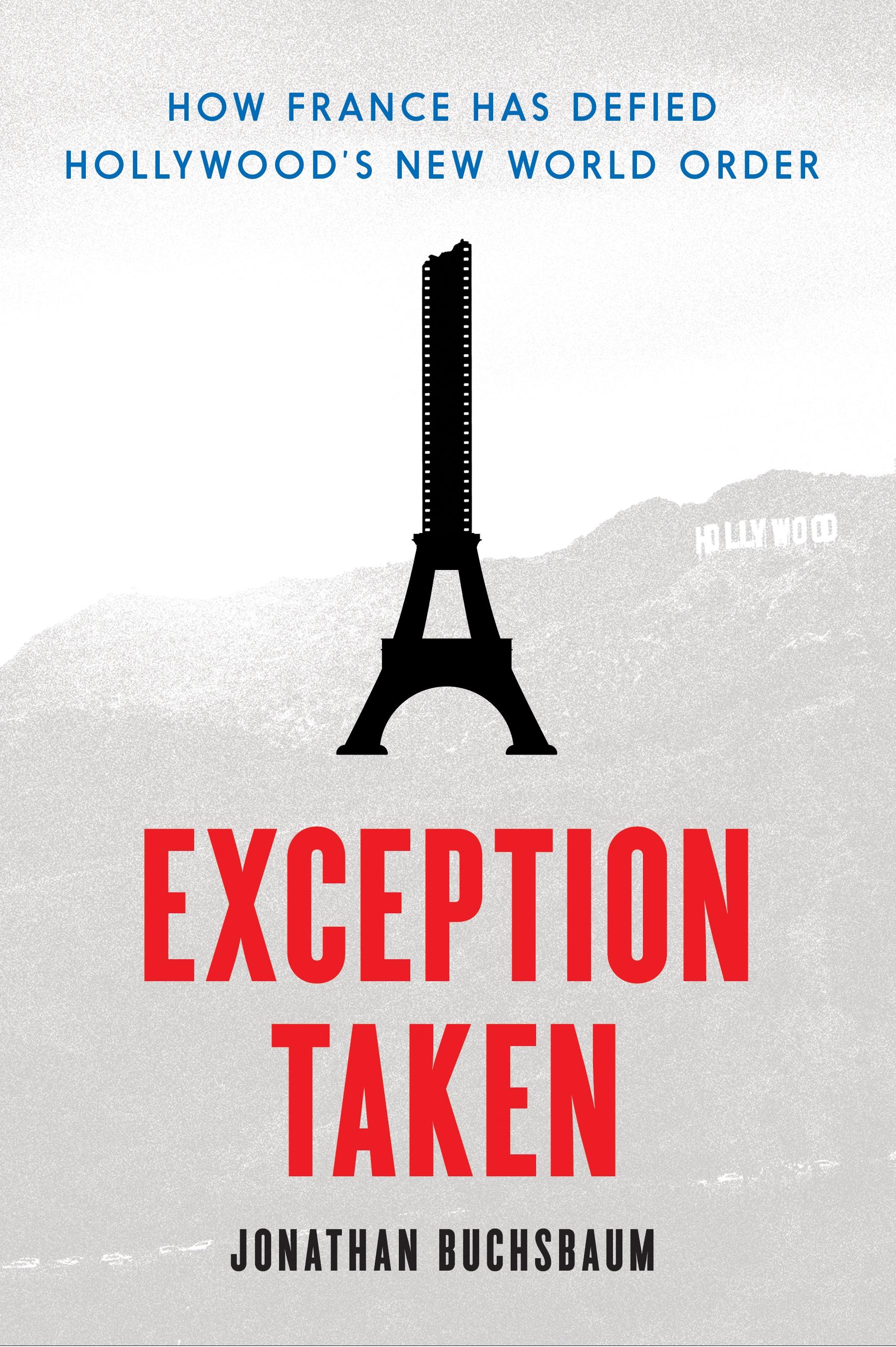
In Exception Taken, Jonathan Buchsbaum examines the movements that have emerged in opposition to the homogenizing force of Hollywood in global filmmaking. While European cinema was entering a steady decline in the 1980s, France sought to strengthen support for its film industry under the new Mitterrand government. Over the following decades, the country lobbied partners in the European Economic Community to design strategies to protect the audiovisual industries and to resist cultural free-trade pressures in international trade agreements. These struggles to preserve the autonomy of national artistic prerogatives emboldened many countries to question the benefits of accelerated globalization.
Led by the energetic minister of culture Jack Lang, France initiated a series of measures to support all sectors of the film industry. Lang introduced laws mandating that state and private television invest in the film industry, effectively replacing the revenue lost from a shrinking theatrical audience for French films. With the formation of the European Union in 1992, Europe passed a new treaty (Maastricht) that extended its legal purview to culture for the first time, setting up the dramatic confrontation over the General Agreement on Trade and Tariffs (GATT) in 1993. Pushed by France, the EU fought the United States over the idea that countries should preserve their right to regulate cultural activity as they saw fit. France and Canada then initiated a campaign to protect cultural diversity within UNESCO that led to the passage of the Convention on Cultural Diversity in 2005. As France pursued these efforts to protect cultural diversity beyond its borders, it also articulated "a certain idea of cinema" that did not simply defend a narrow vision of national cinema. France promoted both commercial cinema and art cinema, disproving announcements of the death of cinema.
Pay easily by card, Klarna, Apple Pay or Google Pay. Not happy? You always have a 14-day money-back guarantee. Read more in our terms. If you have any questions, email us at hello@memmo.org.
Memmo makes studying easier – wherever you are in the world. We bring your course books and smart study tools together in one place: summaries, quizzes, podcasts and flashcards. Plus Ted, your study buddy who answers anything you wonder. Over 50,000 students already study here – built to help you learn faster and stress less.