
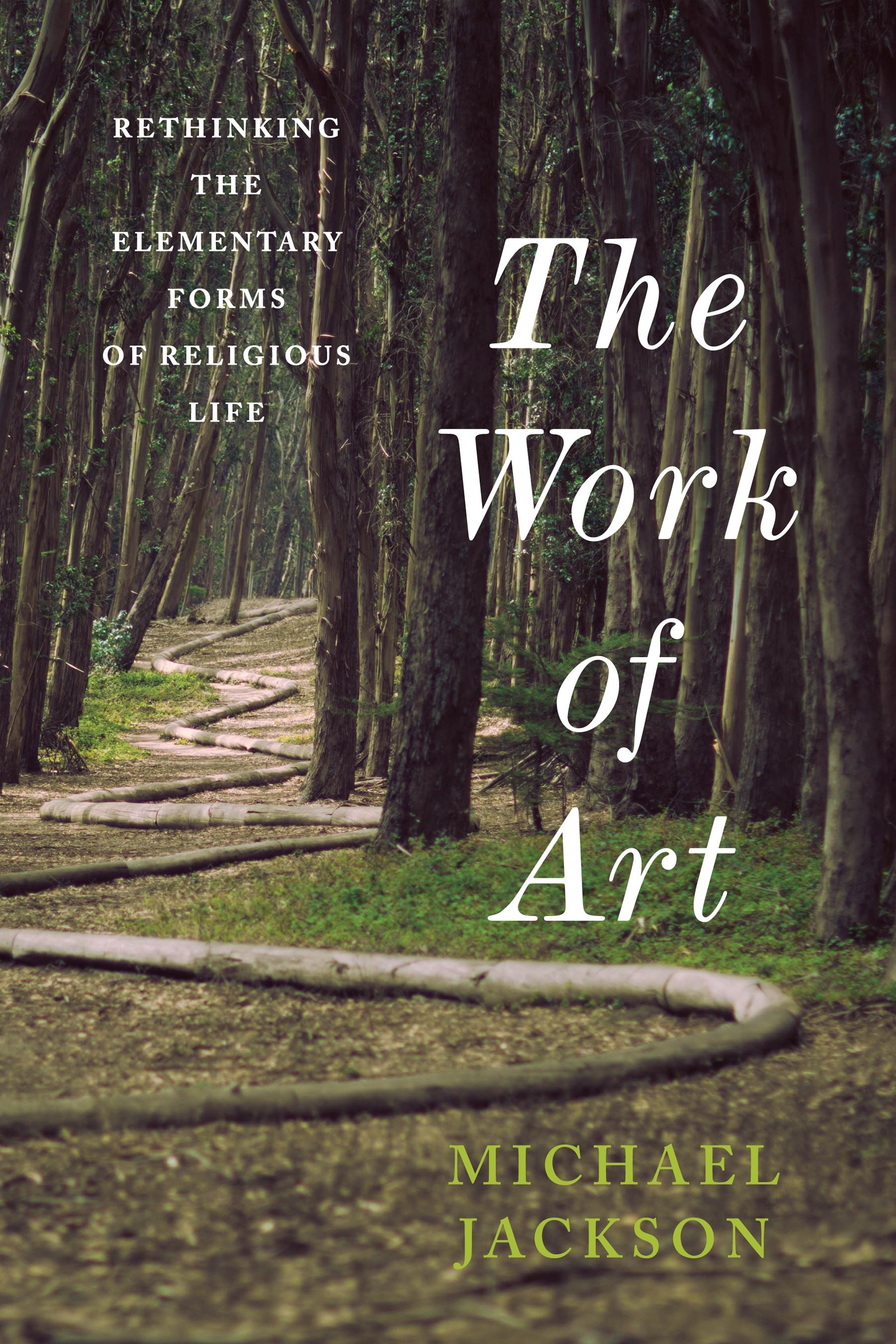
How are we to think of works of art? Rather than treat art as an expression of individual genius, market forces, or aesthetic principles, Michael Jackson focuses on how art effects transformations in our lives. Art opens up transitional, ritual, or utopian spaces that enable us to reconcile inward imperatives and outward constraints, thereby making our lives more manageable and meaningful. Art allows us to strike a balance between being actors and being acted upon.
Drawing on his ethnographic fieldwork in Aboriginal Australia and West Africa, as well as insights from psychoanalysis, religious studies, literature, and the philosophy of art, Jackson deploys an extraordinary range of references—from Bruegel to Beuys, Paleolithic art to performance art, Michelangelo to Munch—to explore the symbolic labor whereby human beings make themselves, both individually and socially, out of the environmental, biographical, and physical materials that affect them: a process that connects art with gestation, storytelling, and dreaming and illuminates the elementary forms of religious life.
Pay easily by card, Klarna, Apple Pay or Google Pay. Not happy? You always have a 14-day money-back guarantee. Read more in our terms. If you have any questions, email us at hello@memmo.org.
Memmo makes studying easier – wherever you are in the world. We bring your course books and smart study tools together in one place: summaries, quizzes, podcasts and flashcards. Plus Ted, your study buddy who answers anything you wonder. Over 50,000 students already study here – built to help you learn faster and stress less.