
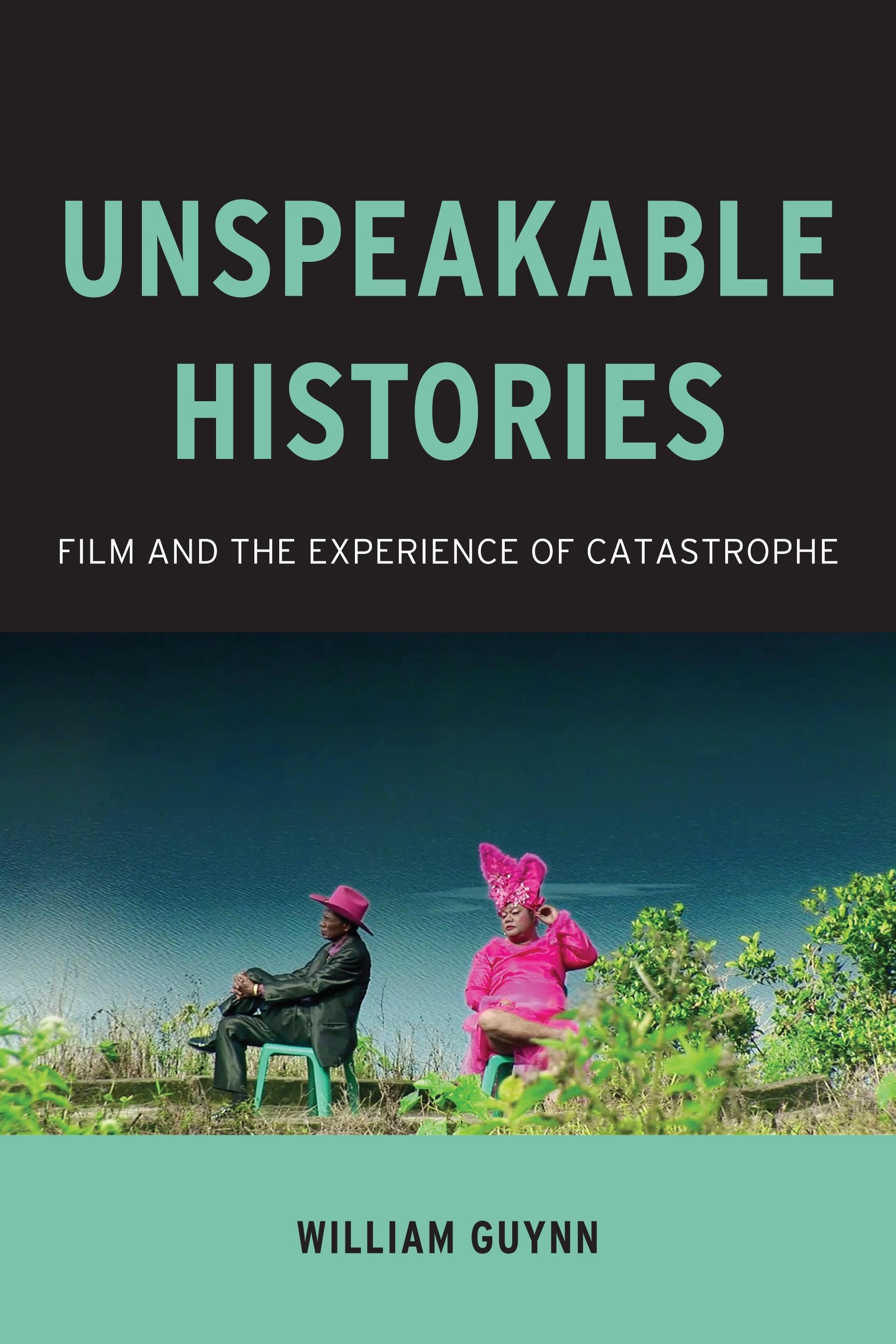
In Unspeakable Histories, William Guynn focuses on the sensation of encountering past events through film. Film is capable, he argues, of triggering moments of heightened awareness in which the barrier between the past and the present can fall and the reality of the past we thought lost can be momentarily rediscovered in its material being. In his readings of seven exceptional works depicting twentieth century atrocities, Guynn explores the emotional resonance that still adheres to traumatic historical events.
Guynn considers dimensions of experience that historiography leaves untouched. Yaël Hersonski's A Film Unfinished (2010) deconstructs scenes from the Nazi propaganda film Das Ghetto through the testimony of ghetto survivors. Andrzej Wajda's Katyn (2007) revivifies the murder of the Polish officer corps (in which Wajda's father perished) by Stalin's security forces during the Second World War. Andrei Konchalovsky's Siberiade (1979) reimagines the turbulent history of the Soviet Union from the perspective of an isolated Siberian village. Larissa Shepitko's The Ascent (1977) evokes the existential drama Soviet partisans faced during the Nazi occupation. Patricio Guzmán's Nostalgia for the Light (2011) examines the vestiges of human experience, including the scattered remains of Pinochet's victims, alive in the aridity of the Atacama Desert. Rithy Panh's S-21 (2003) reawakens events of the Cambodian genocide through dramatic confrontation with some of its executioners, and Joshua Oppenheimer's The Act of Killing (2012) films the perpetrators of the Indonesian genocide as they restage scenes of killings and torture. Inspired by the work of Walter Benjamin, Frank Ankersmit, Joseph Mali, and Simon Schama, Guynn argues that the film medium, more immediate than language, is capable of restoring the affective dimension of historical experience, rooted in the deepest reaches of our minds.
Pay easily by card, Klarna, Apple Pay or Google Pay. Not happy? You always have a 14-day money-back guarantee. Read more in our terms. If you have any questions, email us at hello@memmo.org.
Memmo makes studying easier – wherever you are in the world. We bring your course books and smart study tools together in one place: summaries, quizzes, podcasts and flashcards. Plus Ted, your study buddy who answers anything you wonder. Over 50,000 students already study here – built to help you learn faster and stress less.