
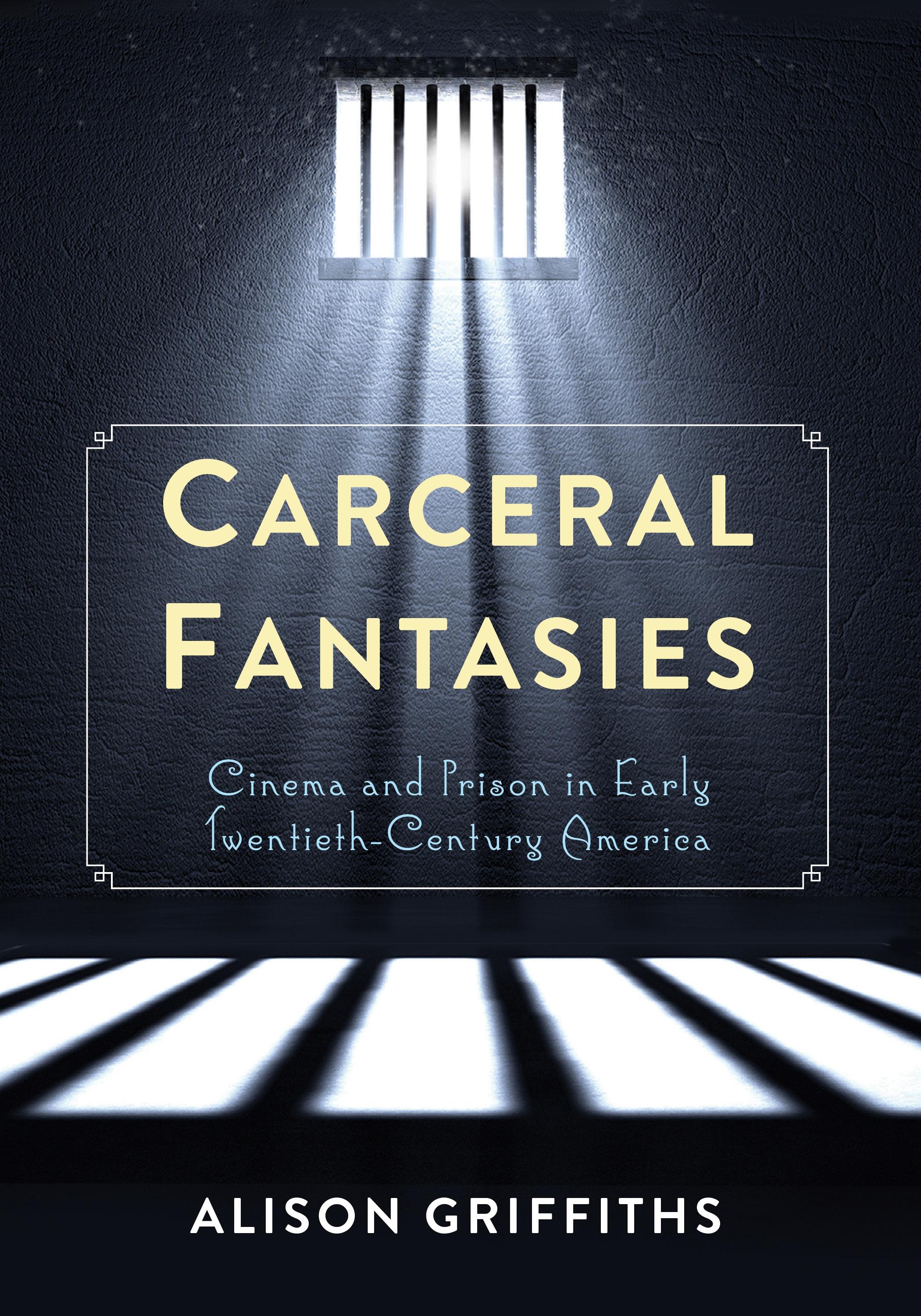
A groundbreaking contribution to the study of nontheatrical film exhibition, Carceral Fantasies tells the little-known story of how cinema found a home in the U.S. penitentiary system and how the prison emerged as a setting and narrative trope in modern cinema. Focusing on films shown in prisons before 1935, Alison Griffiths explores the unique experience of viewing cinema while incarcerated and the complex cultural roots of cinematic renderings of prison life.
Griffiths considers a diverse mix of cinematic genres, from early actualities and reenactments of notorious executions to reformist exposés of the 1920s. She connects an early fascination with cinematic images of punishment and execution, especially electrocutions, to the attractions of the nineteenth-century carnival electrical wonder show and Phantasmagoria (a ghost show using magic lantern projections and special effects). Griffiths draws upon convict writing, prison annual reports, and the popular press obsession with prison-house cinema to document the integration of film into existing reformist and educational activities and film's psychic extension of flights of fancy undertaken by inmates in their cells. Combining penal history with visual and film studies and theories surrounding media's sensual effects, Carceral Fantasies illuminates how filmic representations of the penal system enacted ideas about modernity, gender, the body, and the public, shaping both the social experience of cinema and the public's understanding of the modern prison.
Pay easily by card, Klarna, Apple Pay or Google Pay. Not happy? You always have a 14-day money-back guarantee. Read more in our terms. If you have any questions, email us at hello@memmo.org.
Memmo makes studying easier – wherever you are in the world. We bring your course books and smart study tools together in one place: summaries, quizzes, podcasts and flashcards. Plus Ted, your study buddy who answers anything you wonder. Over 50,000 students already study here – built to help you learn faster and stress less.