
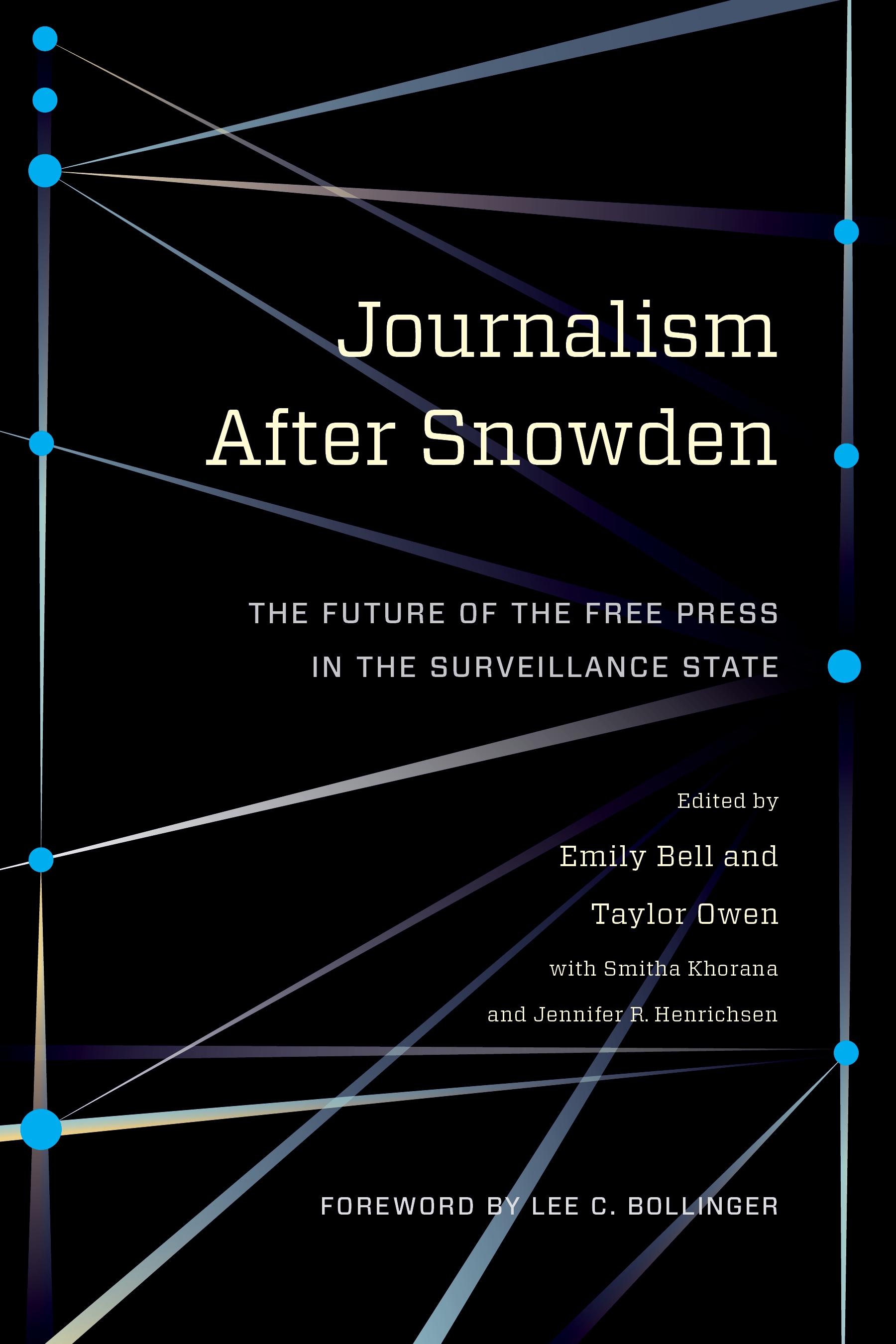
Edward Snowden's release of classified NSA documents exposed the widespread government practice of mass surveillance in a democratic society. The publication of these documents, facilitated by three journalists, as well as efforts to criminalize the act of being a whistleblower or source, signaled a new era in the coverage of national security reporting. The contributors to Journalism After Snowden analyze the implications of the Snowden affair for journalism and the future role of the profession as a watchdog for the public good. Integrating discussions of media, law, surveillance, technology, and national security, the book offers a timely and much-needed assessment of the promises and perils for journalism in the digital age.
Journalism After Snowden is essential reading for citizens, journalists, and academics in search of perspective on the need for and threats to investigative journalism in an age of heightened surveillance. The book features contributions from key players involved in the reporting of leaks of classified information by Edward Snowden, including Alan Rusbridger, former editor-in-chief of The Guardian; ex-New York Times executive editor Jill Abramson; legal scholar and journalist Glenn Greenwald; and Snowden himself. Other contributors include dean of Columbia Graduate School of Journalism Steve Coll, Internet and society scholar Clay Shirky, legal scholar Cass Sunstein, and journalist Julia Angwin. Topics discussed include protecting sources, digital security practices, the legal rights of journalists, access to classified data, interpreting journalistic privilege in the digital age, and understanding the impact of the Internet and telecommunications policy on journalism. The anthology's interdisciplinary nature provides a comprehensive overview and understanding of how society can protect the press and ensure the free flow of information.
Pay easily by card, Klarna, Apple Pay or Google Pay. Not happy? You always have a 14-day money-back guarantee. Read more in our terms. If you have any questions, email us at hello@memmo.org.
Memmo makes studying easier – wherever you are in the world. We bring your course books and smart study tools together in one place: summaries, quizzes, podcasts and flashcards. Plus Ted, your study buddy who answers anything you wonder. Over 75,000 students already study here – built to help you learn faster and stress less.