
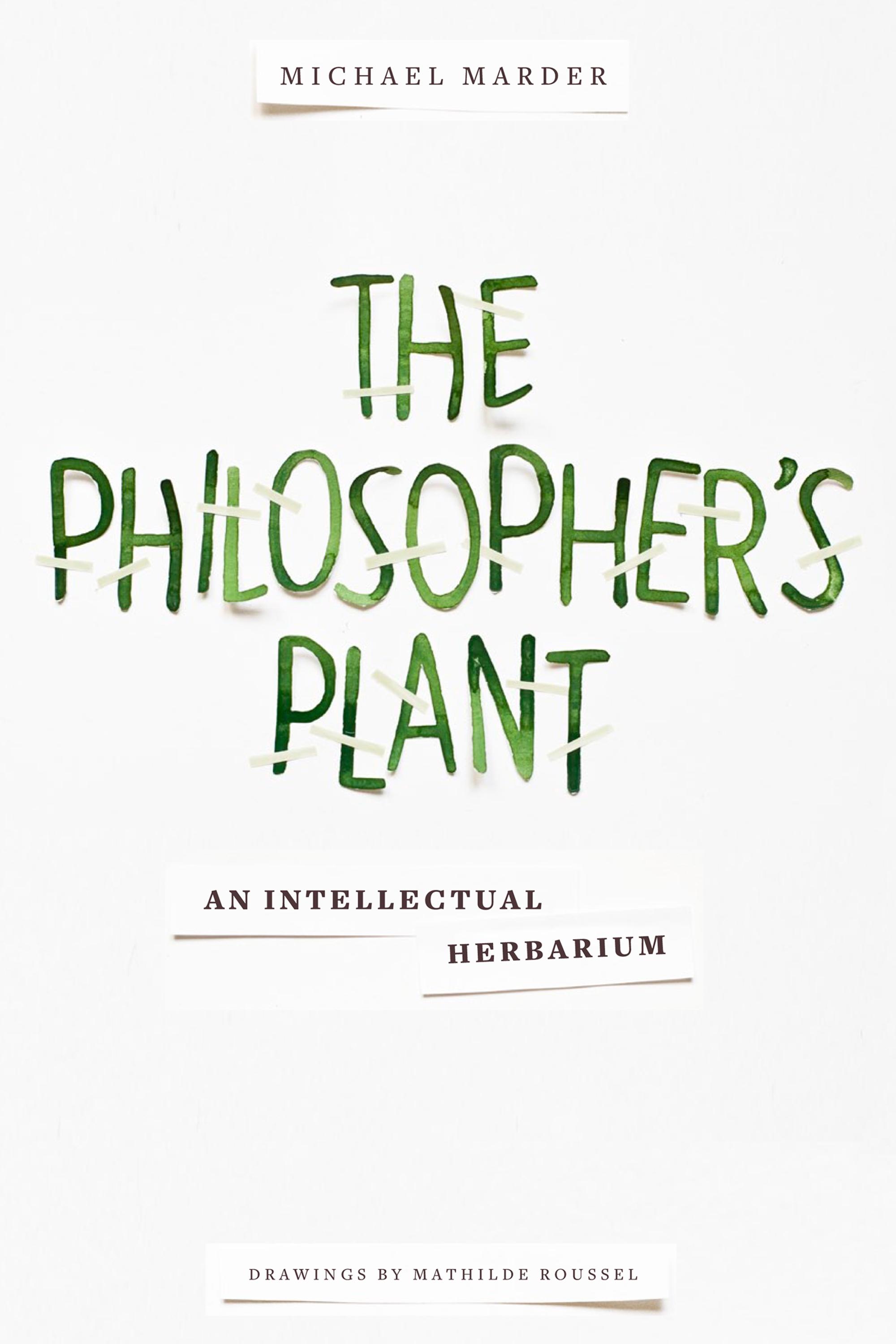
Despite their conceptual allergy to vegetal life, philosophers have used germination, growth, blossoming, fruition, reproduction, and decay as illustrations of abstract concepts; mentioned plants in passing as the natural backdrops for dialogues, letters, and other compositions; spun elaborate allegories out of flowers, trees, and even grass; and recommended appropriate medicinal, dietary, and aesthetic approaches to select species of plants.
In this book, Michael Marder illuminates the vegetal centerpieces and hidden kernels that have powered theoretical discourse for centuries. Choosing twelve botanical specimens that correspond to twelve significant philosophers, he recasts the development of philosophy through the evolution of human and plant relations. A philosophical history for the postmetaphysical age, The Philosopher's Plant reclaims the organic heritage of human thought. With the help of vegetal images, examples, and metaphors, the book clears a path through philosophy's tangled roots and dense undergrowth, opening up the discipline to all readers.
Pay easily by card, Klarna, Apple Pay or Google Pay. Not happy? You always have a 14-day money-back guarantee. Read more in our terms. If you have any questions, email us at hello@memmo.org.
Memmo makes studying easier – wherever you are in the world. We bring your course books and smart study tools together in one place: summaries, quizzes, podcasts and flashcards. Plus Ted, your study buddy who answers anything you wonder. Over 50,000 students already study here – built to help you learn faster and stress less.