
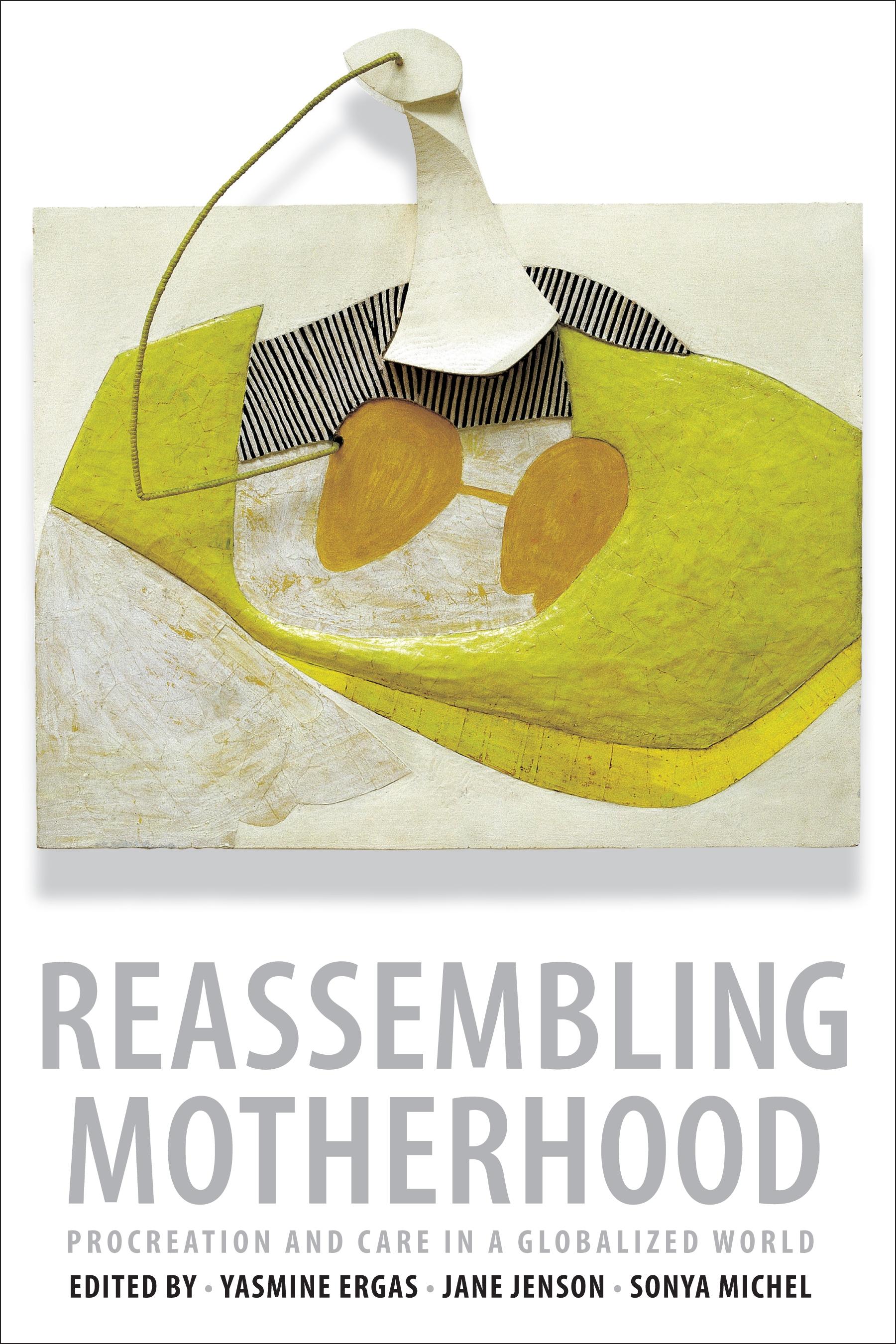
The word “mother” traditionally meant a woman who bears and nurtures a child. In recent decades, changes in social norms and public policy as well as advances in reproductive technologies and the development of markets for procreation and care have radically expanded definitions of motherhood. But while maternity has become a matter of choice for more women, the freedom to make reproductive decisions is unevenly distributed. Restrictive policies, socioeconomic disadvantages, cultural mores, and discrimination force some women into motherhood and prevent others from caring for their children.
Reassembling Motherhood brings together contributors from across the disciplines to consider the transformation of motherhood as both an identity and a role. It examines how the processes of bearing and rearing a child are being restructured as reproductive labor and care work change around the globe. The authors examine issues such as artificial reproductive technologies, surrogacy, fetal ultrasounds, adoption, nonparental care, and the legal status of kinship, showing how complex chains of procreation and childcare have simultaneously generated greater liberty and new forms of constraint. Emphasizing the tension between the liberalization of procreation and care on the one hand, and the limits to their democratization due to race, class, and global inequality on the other, the book highlights debates that have emerged as these multifaceted changes have led to both the fragmentation and reassembling of motherhood.
Pay easily by card, Klarna, Apple Pay or Google Pay. Not happy? You always have a 14-day money-back guarantee. Read more in our terms. If you have any questions, email us at hello@memmo.org.
Memmo makes studying easier – wherever you are in the world. We bring your course books and smart study tools together in one place: summaries, quizzes, podcasts and flashcards. Plus Ted, your study buddy who answers anything you wonder. Over 50,000 students already study here – built to help you learn faster and stress less.