
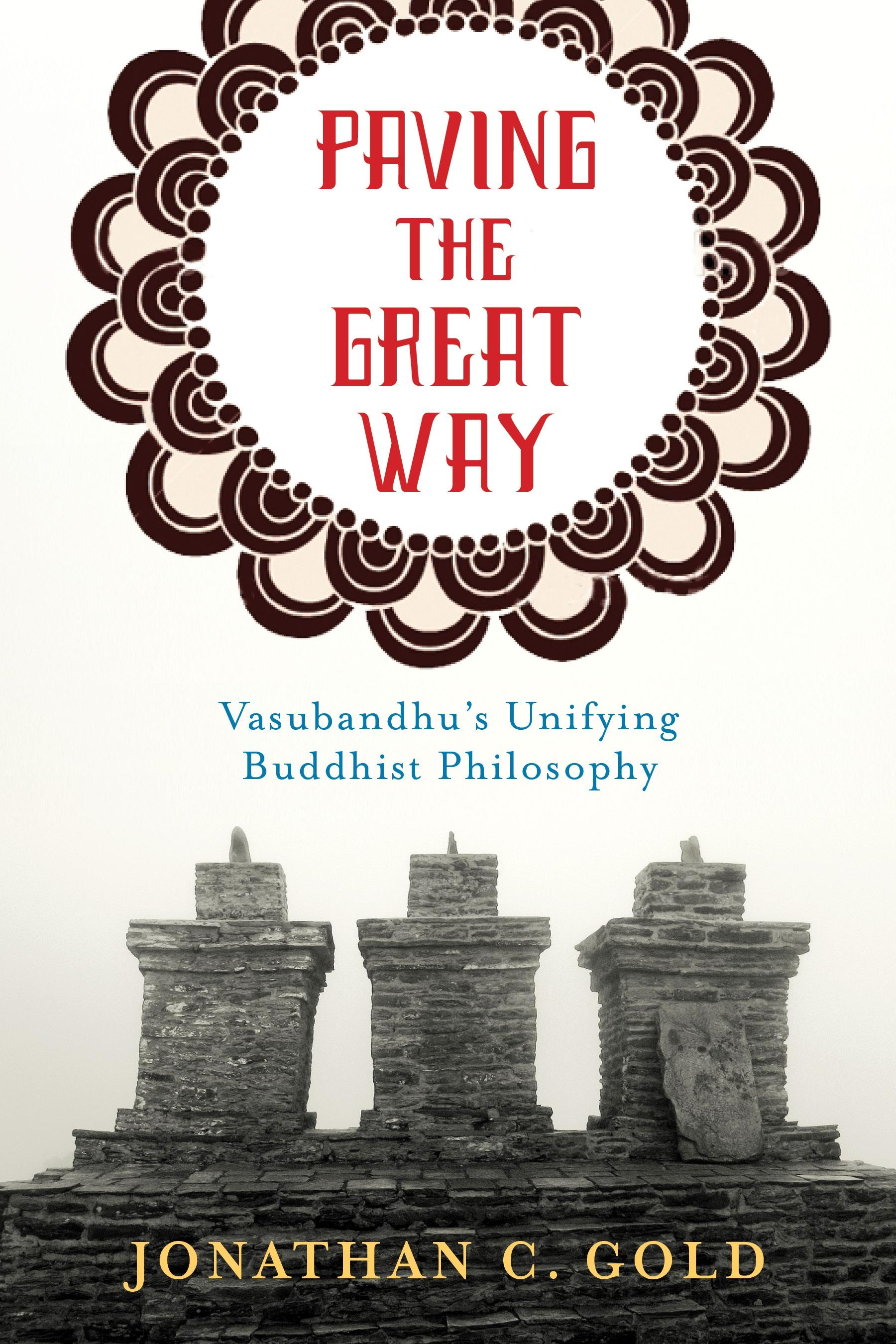
The Indian Buddhist philosopher Vasubandhu (fourth–fifth century C.E.) is known for his critical contribution to Buddhist Abhidharma thought, his turn to the Mahayana tradition, and his concise, influential Yogacara–Vijñanavada texts. Paving the Great Way reveals another dimension of his legacy: his integration of several seemingly incompatible intellectual and scriptural traditions, with far-ranging consequences for the development of Buddhist epistemology and the theorization of tantra.
Most scholars read Vasubandhu's texts in isolation and separate his intellectual development into distinct phases. Featuring close studies of Vasubandhu's Abhidharmakosabhasya, Vyakhyayukti, Vimsatika, and Trisvabhavanirdesa, among other works, this book identifies recurrent treatments of causality and scriptural interpretation that unify distinct strands of thought under a single, coherent Buddhist philosophy. In Vasubandhu's hands, the Buddha's rejection of the self as a false construction provides a framework through which to clarify problematic philosophical issues, such as the nature of moral agency and subjectivity under a broadly causal worldview. Recognizing this continuity of purpose across Vasubandhu's diverse corpus recasts the interests of the philosopher and his truly innovative vision, which influenced Buddhist thought for a millennium and continues to resonate with today's philosophical issues. An appendix includes extensive English-language translations of the major texts discussed.
Pay easily by card, Klarna, Apple Pay or Google Pay. Not happy? You always have a 14-day money-back guarantee. Read more in our terms. If you have any questions, email us at hello@memmo.org.
Memmo makes studying easier – wherever you are in the world. We bring your course books and smart study tools together in one place: summaries, quizzes, podcasts and flashcards. Plus Ted, your study buddy who answers anything you wonder. Over 50,000 students already study here – built to help you learn faster and stress less.