
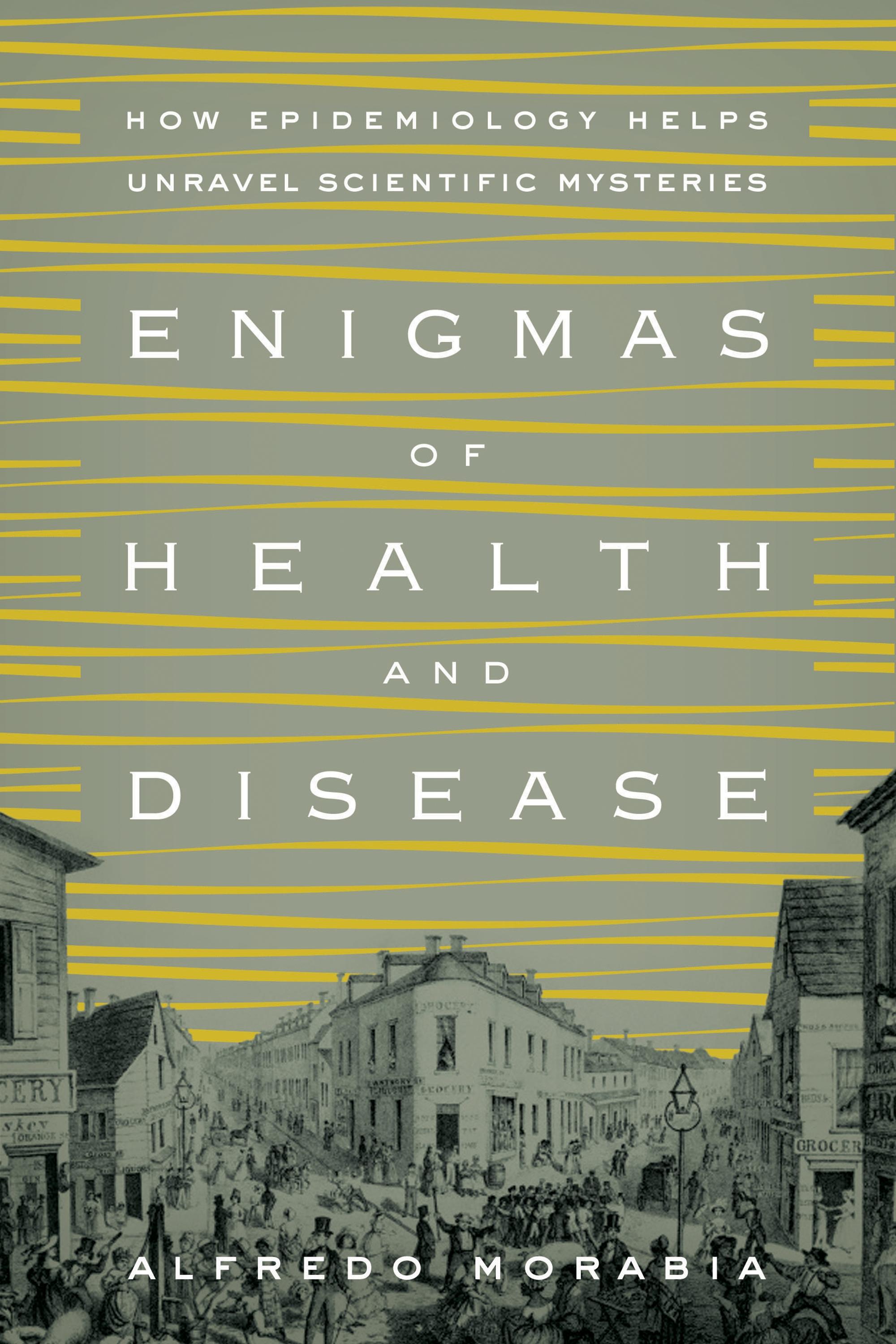
This book is the principal account of epidemiology's role in the development of effective measures to identify, prevent, and treat diseases. Throughout history, epidemiologists have challenged conventional knowledge, elucidating mysteries of causality and paving the way for remedies. From the outbreak of the bubonic plague, cholera, and cancer to the search for an effective treatment of AIDS and the origins of Alzheimer's disease, epidemiological thought has been crucial in shaping our understanding of population health issues.
Alfredo Morabia's lucid retelling sheds new light on the historical triumphs of epidemiological research and allows for contemporary readers, patients, and nontechnical audiences to make sense of the immense amount of health information disseminated by the media. By drawing from both historical and contemporary sources, Morabia provides the reader with the tools to differentiate health beliefs from health knowledge. The book covers important topics, including the H1N1 swine flu epidemic, breast cancer, the effects of aspirin, and the link between cigarettes and lung cancer.
Pay easily by card, Klarna, Apple Pay or Google Pay. Not happy? You always have a 14-day money-back guarantee. Read more in our terms. If you have any questions, email us at hello@memmo.org.
Memmo makes studying easier – wherever you are in the world. We bring your course books and smart study tools together in one place: summaries, quizzes, podcasts and flashcards. Plus Ted, your study buddy who answers anything you wonder. Over 75,000 students already study here – built to help you learn faster and stress less.