
The house looked as if she'd brushed it over with a hurried hand. Things were open—drawers, cans, and closets. A pile of newspapers fanned out across the floor by the front door, and still I did not wonder. She must have dropped them as she ran, I thought. My mother was often late. But had I stopped to look, I would have seen the fear in the way the house had settled—a footstool that lay on its side, several books that had fallen from their shelves. When you count back, you can see a story from the end. I like that—the seemingly natural narrative that forms this way. With the end in my hand, the story becomes mine. I can have it all make sense, or I can lose my mind like she lost hers—like I lost her. But I can have my story.
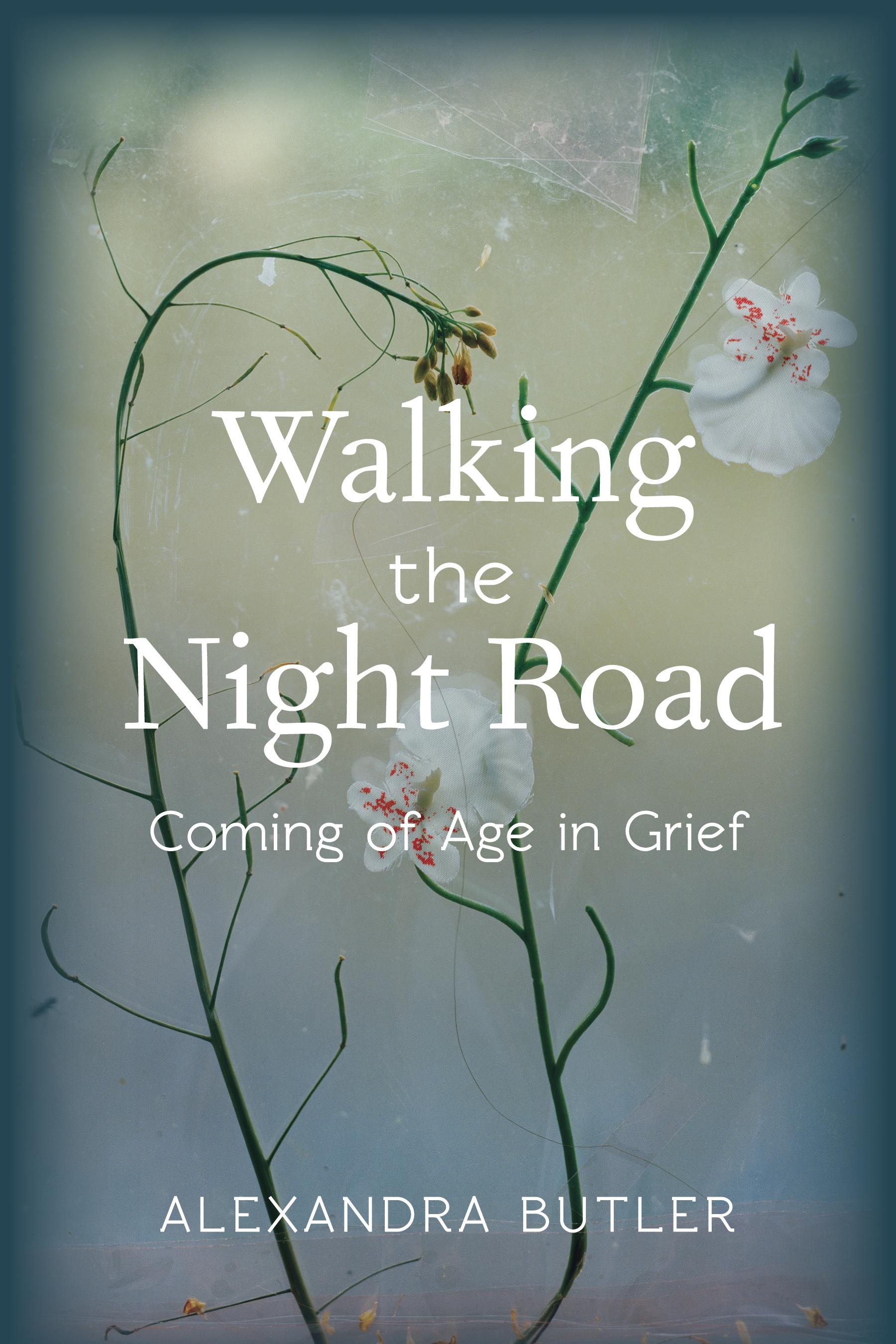
Walking the Night Road speaks to the experience of caring for a loved one with a terminal illness and the difficulties of encountering death. Alexandra Butler, daughter of the Pulitzer Prize–winning gerontologist Robert N. Butler and respected social worker and psychotherapist Myrna Lewis, composes a lyrical yet unsparing portrait of caring for her mother during her sudden, quick decline from brain cancer. Her rich account shares the strains of caregiving on both the provider and the person receiving care and recognizes the personal and professional sacrifices caregivers must make to fulfill the role.
More than a memoir of dying and grief, Butler's account also tests many of the theories her parents pioneered in their work on healthy aging. Authors of such seminal works as Love and Sex After Sixty, Butler's parents were forced to rethink many of the tenets they lived by while Myrna was incapacitated, and Butler's father found himself relying heavily on his daughter to provide his wife's care. Butler's poignant and unflinching story is therefore a rare examination of the intimate aspects of aging and death experienced by practitioners who suddenly find themselves in the difficult position of the clients they once treated.
Pay easily by card, Klarna, Apple Pay or Google Pay. Not happy? You always have a 14-day money-back guarantee. Read more in our terms. If you have any questions, email us at hello@memmo.org.
Memmo makes studying easier – wherever you are in the world. We bring your course books and smart study tools together in one place: summaries, quizzes, podcasts and flashcards. Plus Ted, your study buddy who answers anything you wonder. Over 50,000 students already study here – built to help you learn faster and stress less.