
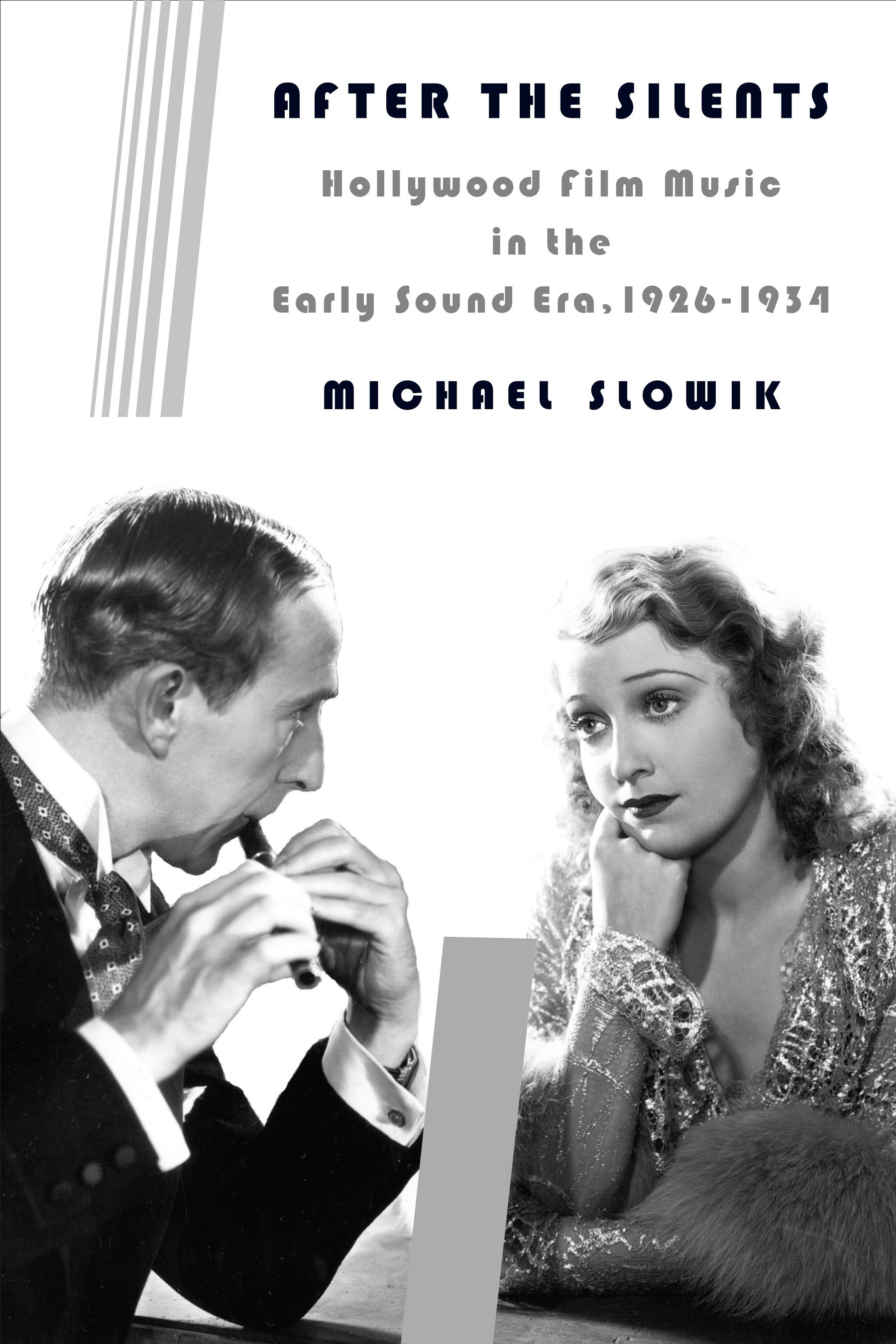
Many believe Max Steiner's score for King Kong (1933) was the first important attempt at integrating background music into sound film, but a closer look at the industry's early sound era (1926–1934) reveals a more extended and fascinating story. Viewing more than two hundred films from the period, Michael Slowik launches the first comprehensive study of a long-neglected phase in Hollywood's initial development, recasting the history of film sound and its relationship to the "Golden Age" of film music (1935–1950).
Slowik follows filmmakers' shifting combinations of sound and image, recapturing the volatility of this era and the variety of film music strategies that were tested, abandoned, and kept. He explores early film music experiments and accompaniment practices in opera, melodrama, musicals, radio, and silent films and discusses the impact of the advent of synchronized dialogue. He concludes with a reassessment of King Kong and its groundbreaking approach to film music, challenging the film's place and importance in the timeline of sound achievement.
Pay easily by card, Klarna, Apple Pay or Google Pay. Not happy? You always have a 14-day money-back guarantee. Read more in our terms. If you have any questions, email us at hello@memmo.org.
Memmo makes studying easier – wherever you are in the world. We bring your course books and smart study tools together in one place: summaries, quizzes, podcasts and flashcards. Plus Ted, your study buddy who answers anything you wonder. Over 50,000 students already study here – built to help you learn faster and stress less.