
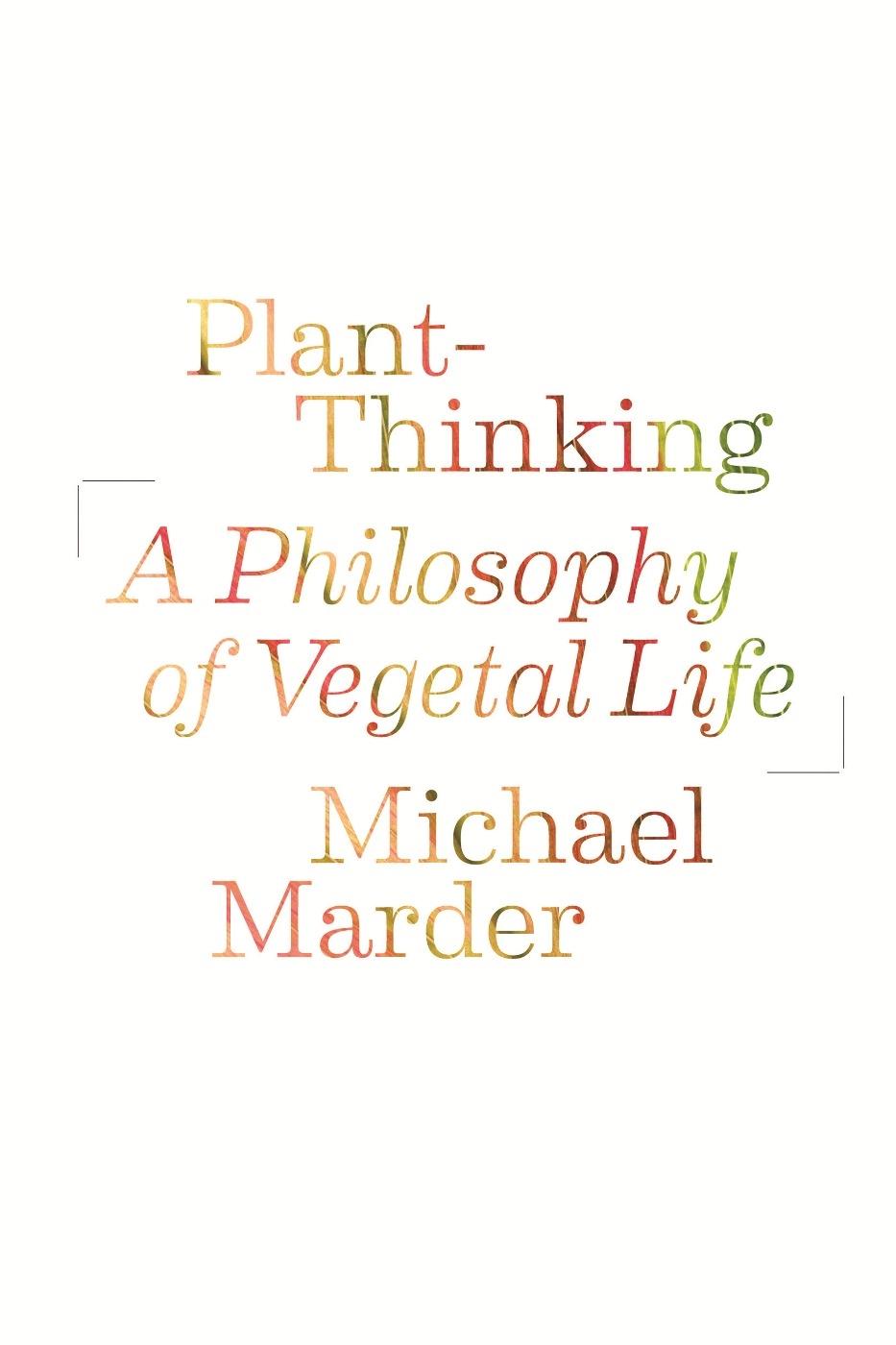
The margins of philosophy are populated by non-human, non-animal living beings, including plants. While contemporary philosophers tend to refrain from raising ontological and ethical concerns with vegetal life, Michael Marder puts this life at the forefront of the current deconstruction of metaphysics. He identifies the existential features of plant behavior and the vegetal heritage of human thought so as to affirm the potential of vegetation to resist the logic of totalization and to exceed the narrow confines of instrumentality. Reconstructing the life of plants "after metaphysics," Marder focuses on their unique temporality, freedom, and material knowledge or wisdom. In his formulation, "plant-thinking" is the non-cognitive, non-ideational, and non-imagistic mode of thinking proper to plants, as much as the process of bringing human thought itself back to its roots and rendering it plantlike.
Pay easily by card, Klarna, Apple Pay or Google Pay. Not happy? You always have a 14-day money-back guarantee. Read more in our terms. If you have any questions, email us at hello@memmo.org.
Memmo makes studying easier – wherever you are in the world. We bring your course books and smart study tools together in one place: summaries, quizzes, podcasts and flashcards. Plus Ted, your study buddy who answers anything you wonder. Over 50,000 students already study here – built to help you learn faster and stress less.
You might also like
Buy the book0