
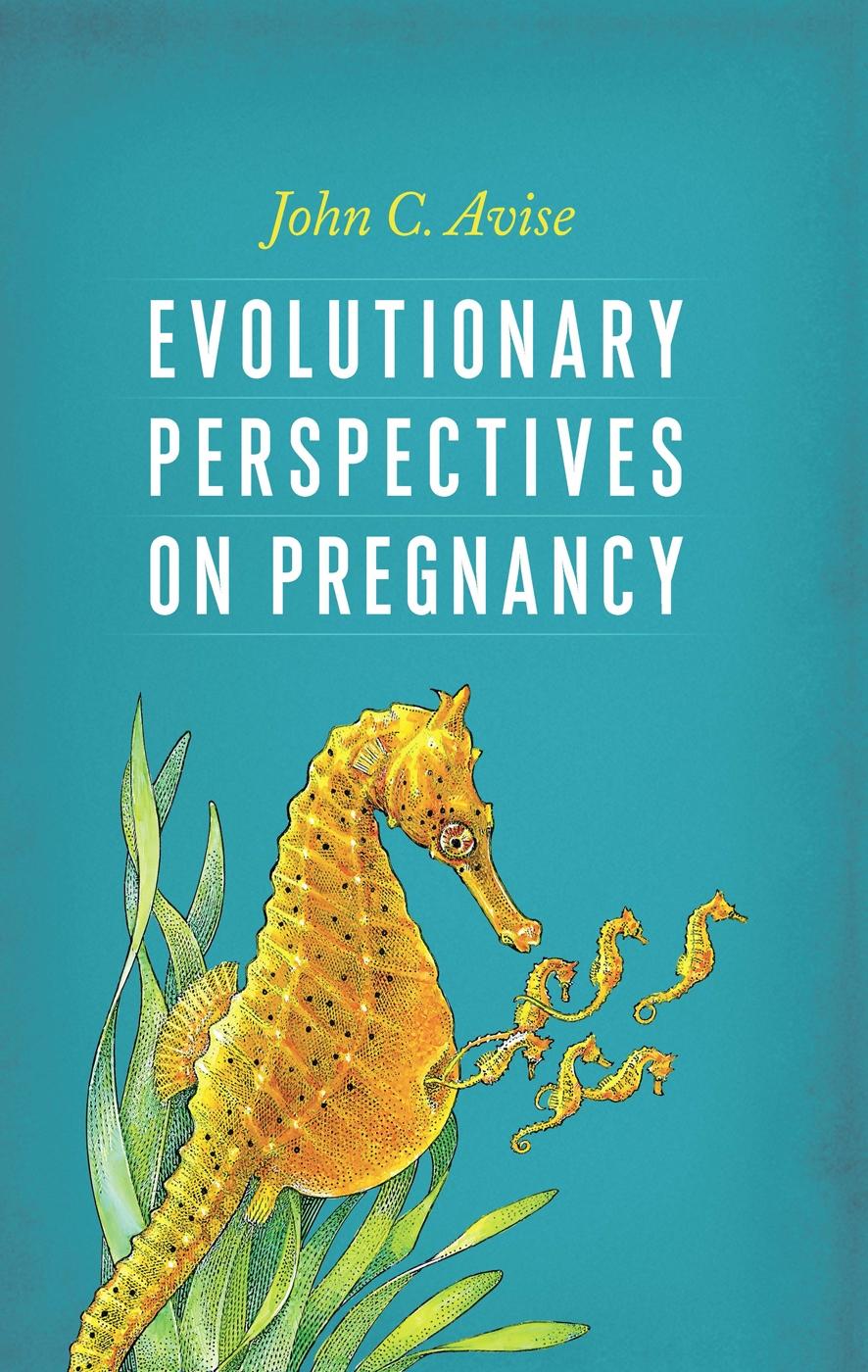
Covering both the internal and external incubation of offspring, this book provides a biology-rich survey of the natural history, ecology, genetics, and evolution of pregnancy-like phenomena. From mammals and other live-bearing organisms to viviparous reptiles, male-pregnant fishes, larval-brooding worms, crabs, sea cucumbers, and corals, the world's various species display pregnancy and other forms of parental devotion in surprisingly multifaceted ways. An adult female (or male) can incubate its offspring in a womb, stomach, mouth, vocal sac, gill chamber, epithelial pouch, backpack, leg pocket, nest, or an encasing of embryos, and by studying these diverse examples from a comparative vantage point, the ecological and evolutionary-genetic outcomes of different reproductive models become fascinatingly clear.
John C. Avise discusses each mode of pregnancy and the decipherable genetic signatures it has left on the reproductive structures, physiologies, and innate sexual behaviors of extant species. By considering the many biological aspects of gestation from different evolutionary angles, Avise offers captivating new insights into the significance of "heavy" parental investment in progeny.
Pay easily by card, Klarna, Apple Pay or Google Pay. Not happy? You always have a 14-day money-back guarantee. Read more in our terms. If you have any questions, email us at hello@memmo.org.
Memmo makes studying easier – wherever you are in the world. We bring your course books and smart study tools together in one place: summaries, quizzes, podcasts and flashcards. Plus Ted, your study buddy who answers anything you wonder. Over 50,000 students already study here – built to help you learn faster and stress less.