
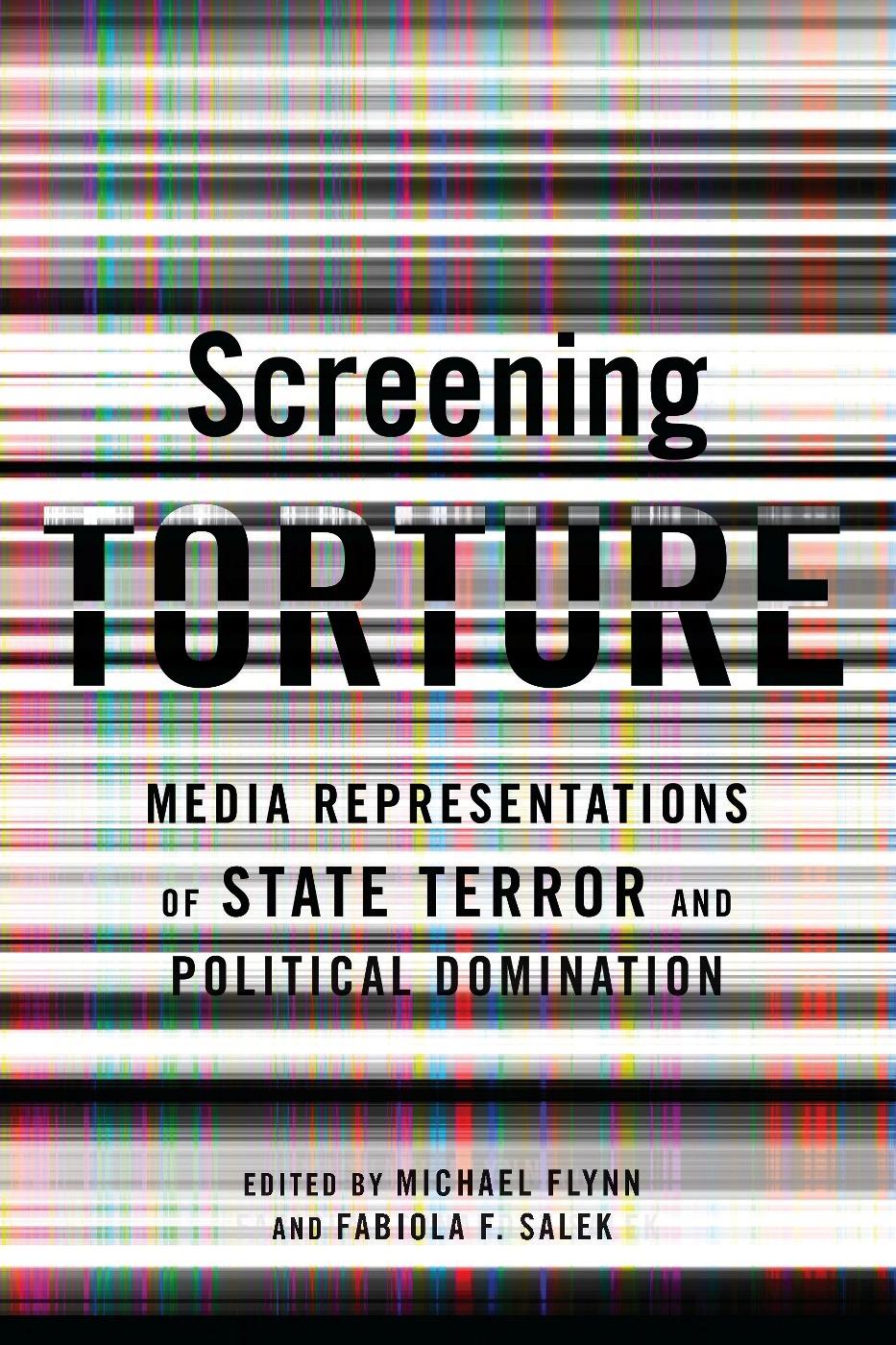
Before 9/11, films addressing torture outside of the horror/slasher genre depicted the practice in a variety of forms. In most cases, torture was cast as the act of a desperate and depraved individual, and the viewer was more likely to identify with the victim rather than the torturer. Since the terrorist attacks of September 11, 2001, scenes of brutality and torture in mainstream comedies, dramatic narratives, and action films appear for little other reason than to titillate and delight. In these films, torture is devoid of any redeeming qualities, represented as an exercise in brutal senselessness carried out by authoritarian regimes and institutions.
This volume follows the shift in the representation of torture over the past decade, specifically in documentary, action, and political films. It traces and compares the development of this trend in films from the United States, Europe, China, Latin America, South Africa, and the Middle East. Featuring essays by sociologists, psychologists, historians, journalists, and specialists in film and cultural studies, the collection approaches the representation of torture in film and television from multiple angles and disciplines, connecting its aesthetics and practices to the dynamic of state terror and political domination.
Pay easily by card, Klarna, Apple Pay or Google Pay. Not happy? You always have a 14-day money-back guarantee. Read more in our terms. If you have any questions, email us at hello@memmo.org.
Memmo makes studying easier – wherever you are in the world. We bring your course books and smart study tools together in one place: summaries, quizzes, podcasts and flashcards. Plus Ted, your study buddy who answers anything you wonder. Over 50,000 students already study here – built to help you learn faster and stress less.