
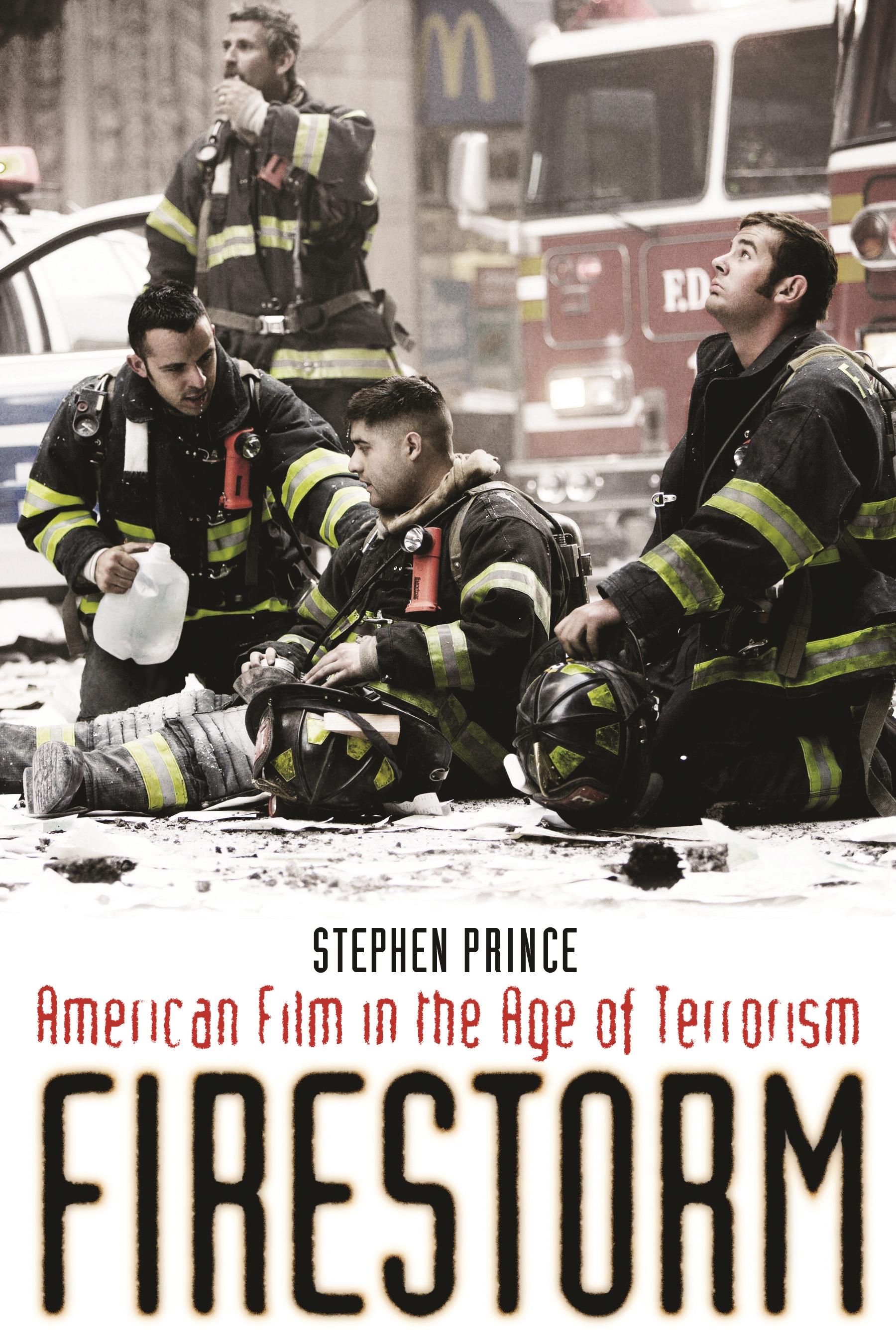
It was believed that September 11th would make certain kinds of films obsolete, such as action thrillers crackling with explosions or high-casualty blockbusters where the hero escapes unscathed. While the production of these films did ebb, the full impact of the attacks on Hollywood's creative output is still taking shape. Did 9/11 force filmmakers and screenwriters to find new methods of storytelling? What kinds of movies have been made in response to 9/11, and are they factual? Is it even possible to practice poetic license with such a devastating, broadly felt tragedy?
Stephen Prince is the first scholar to trace the effect of 9/11 on the making of American film. From documentaries like Fahrenheit 9/11 (2004) to zombie flicks, and from fictional narratives such as The Kingdom (2007) to Mike Nichols's Charlie Wilson's War (2007), Prince evaluates the extent to which filmmakers have exploited, explained, understood, or interpreted the attacks and the Iraq War that followed, including incidents at Abu Ghraib. He begins with pre-9/11 depictions of terrorism, such as Alfred Hitchcock's Sabotage (1936), and follows with studio and independent films that directly respond to 9/11. He considers documentary portraits and conspiracy films, as well as serial television shows (most notably Fox's 24) and made-for-TV movies that re-present the attacks in a broader, more intimate way. Ultimately Prince finds that in these triumphs and failures an exciting new era of American filmmaking has taken shape.
Pay easily by card, Klarna, Apple Pay or Google Pay. Not happy? You always have a 14-day money-back guarantee. Read more in our terms. If you have any questions, email us at hello@memmo.org.
Memmo makes studying easier – wherever you are in the world. We bring your course books and smart study tools together in one place: summaries, quizzes, podcasts and flashcards. Plus Ted, your study buddy who answers anything you wonder. Over 50,000 students already study here – built to help you learn faster and stress less.