
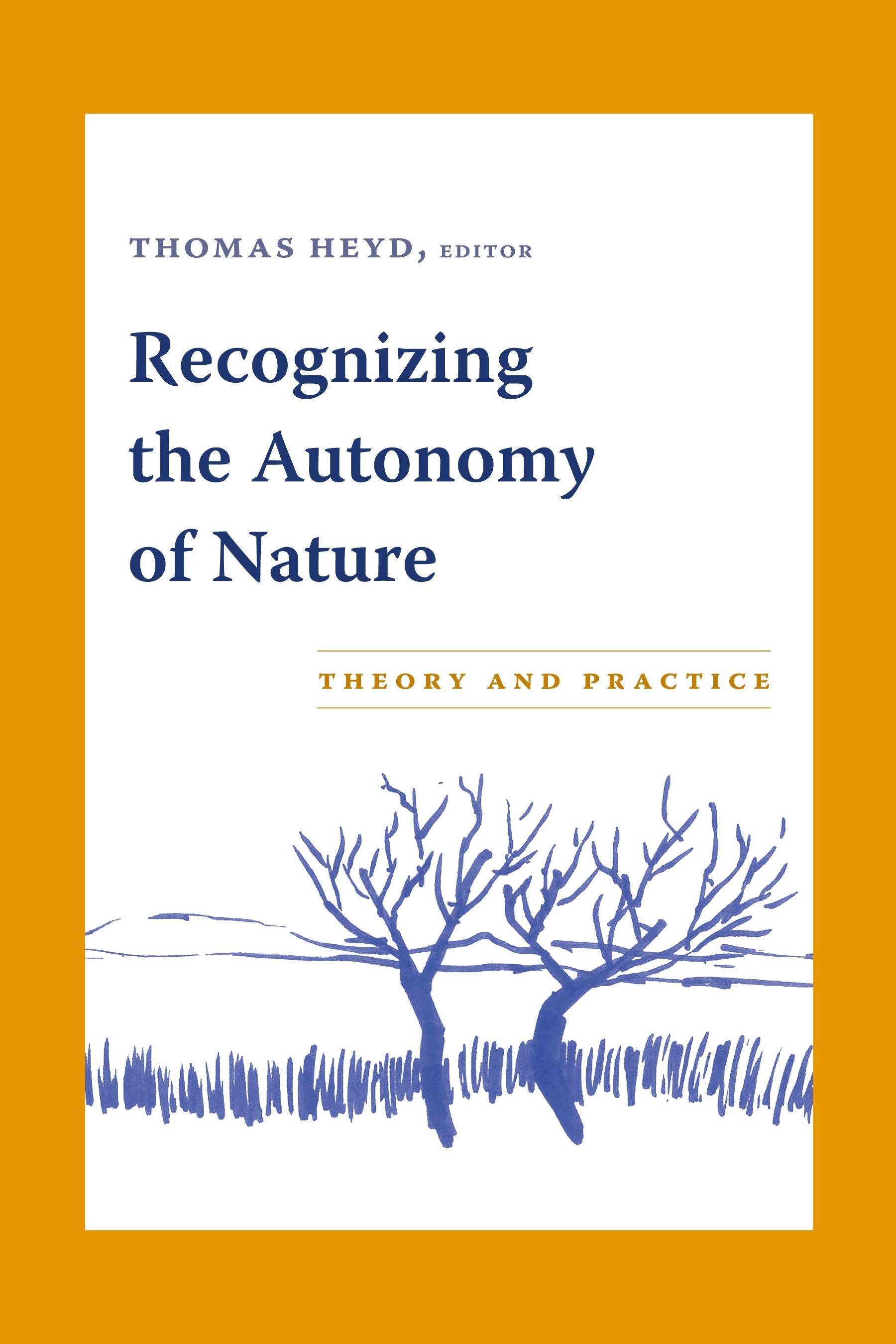
How do the ways in which we think about and describe nature shape the use and protection of the environment? Do our seemingly well-intentioned efforts in environmental conservation reflect a respect for nature or our desire to control nature's wildness? The contributors to this collection address these and other questions as they explore the theoretical and practical implications of a crucial aspect of environmental philosophy and policy-the autonomy of nature. In focusing on the recognition and meaning of nature's autonomy and linking issues of metaphysics, epistemology, ethics, and policy, the essays provide a variety of new perspectives on human relationships to nature.
The authors begin by exploring what is meant by "nature," in what sense it can be seen as autonomous, and what respect for the autonomy of nature might entail. They examine the conflicts that arise between the satisfaction of human needs (food, shelter, etc.) and the natural world. The contributors also consider whether the activities of human beings contribute to nature's autonomy. In their investigation of these issues, they not only draw on philosophy and ethics; they also discuss how the idea of nature's autonomy affects policy decisions regarding the protection of agricultural, rural, and beach areas.
The essays in the book's final section turn to management and restoration practices. The essays in this section pay close attention to how efforts at environmental protection alter or reinforce the traditional relationship between humans and nature. More specifically, the contributors examine whether management practices, as they are applied in nature conservation, actually promote the autonomy of nature, or whether they turn the environment into a "client" for policymakers.
Pay easily by card, Klarna, Apple Pay or Google Pay. Not happy? You always have a 14-day money-back guarantee. Read more in our terms. If you have any questions, email us at hello@memmo.org.
Memmo makes studying easier – wherever you are in the world. We bring your course books and smart study tools together in one place: summaries, quizzes, podcasts and flashcards. Plus Ted, your study buddy who answers anything you wonder. Over 50,000 students already study here – built to help you learn faster and stress less.