
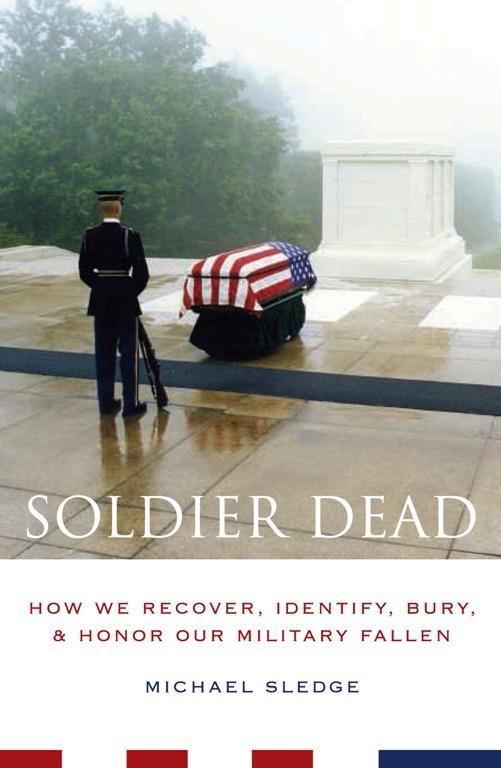
What happens to members of the United States Armed Forces after they die? Why do soldiers endanger their lives to recover the remains of their comrades? Why does the military spend enormous resources and risk further fatalities to recover the bodies of the fallen, even decades after the cessation of hostilities? Soldier Dead is the first book to fully address the complicated physical, social, religious, economic, and political issues concerning the remains of men and women who die while serving their country. In doing so, Michael Sledge reveals the meanings of the war dead for families, soldiers, and the nation as a whole.
Why does recovering the remains of servicepeople matter? Soldier Dead examines this question and provides a thorough analysis of the processes of recovery, identification, return, burial, and remembrance of the dead. Sledge traces the ways in which the handling of our Soldier Dead has evolved over time and how these changes have reflected not only advances in technology and capabilities but also the shifting attitudes of the public, government, and military. He also considers the emotional stress experienced by those who handle the dead; the continuing efforts to retrieve bodies from Korea and elsewhere; and how unresolved issues regarding the treatment of enemy dead continue to affect U.S. foreign relations.
Skillfully incorporating excerpts from interviews, personal correspondence and diaries, military records, and journalistic accounts-as well as never-before-published photographs and his own reflections-Michael Sledge presents a clear, concise, and compassionate story about what the dead mean to the living. Throughout Soldier Dead, the voices of the fallen are heard, as are those of family members and military personnel responsible for the dead before final disposition. At times disturbing and at other times encouraging, they are always powerful as they speak of danger, duty, courage, commitment, and care.
Pay easily by card, Klarna, Apple Pay or Google Pay. Not happy? You always have a 14-day money-back guarantee. Read more in our terms. If you have any questions, email us at hello@memmo.org.
Memmo makes studying easier – wherever you are in the world. We bring your course books and smart study tools together in one place: summaries, quizzes, podcasts and flashcards. Plus Ted, your study buddy who answers anything you wonder. Over 50,000 students already study here – built to help you learn faster and stress less.