
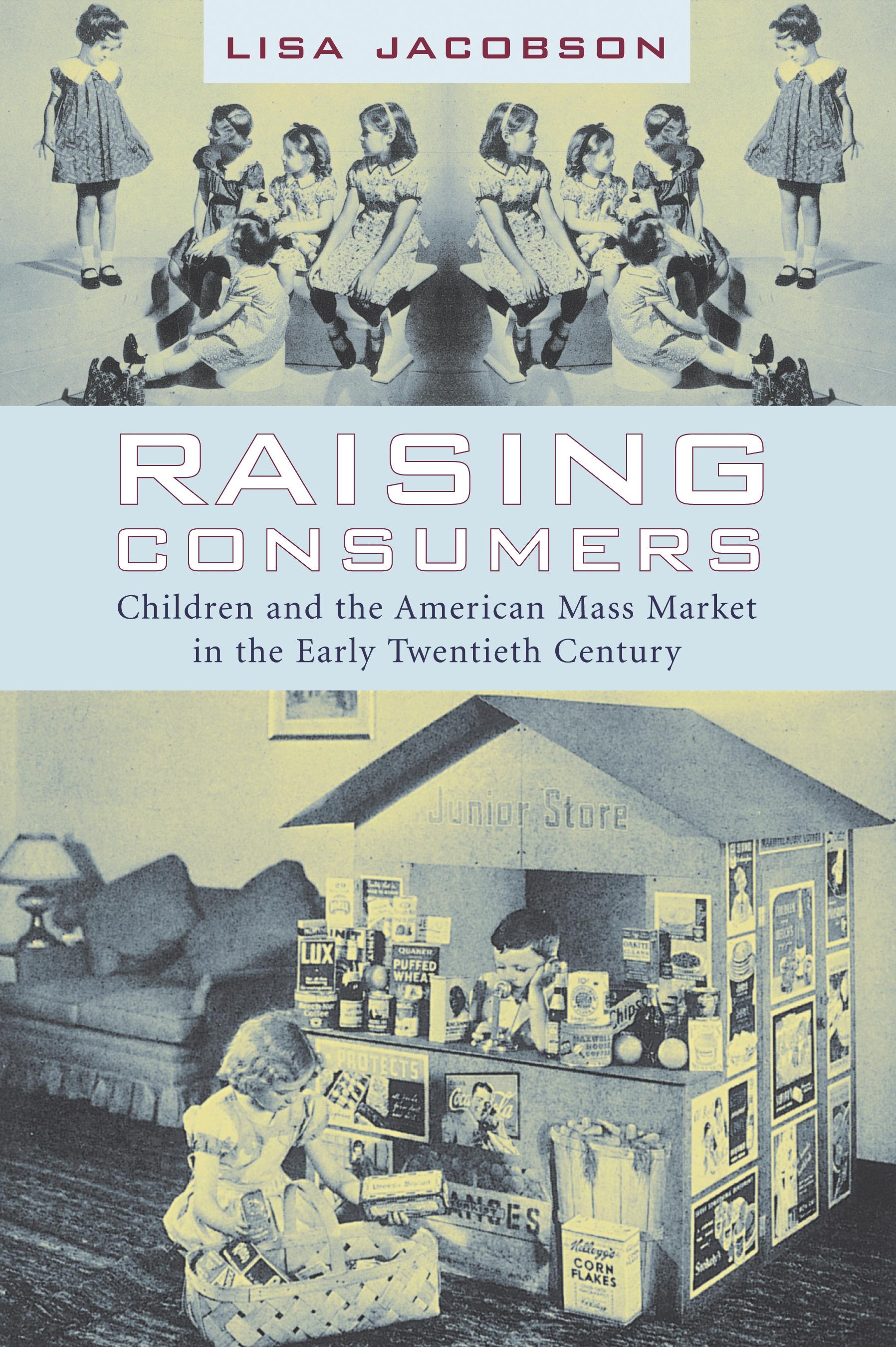
In the present electronic torrent of MTV and teen flicks, Nintendo and Air Jordan advertisements, consumer culture is an unmistakably important—and controversial—dimension of modern childhood. Historians and social commentators have typically assumed that the child consumer became significant during the postwar television age. But the child consumer was already an important phenomenon in the early twentieth century. The family, traditionally the primary institution of child socialization, began to face an array of new competitors who sought to put their own imprint on children's acculturation to consumer capitalism. Advertisers, children's magazine publishers, public schools, child experts, and children's peer groups alternately collaborated with, and competed against, the family in their quest to define children's identities.
At stake in these conflicts and collaborations was no less than the direction of American consumer society—would children's consumer training rein in hedonistic excesses or contribute to the spread of hollow, commercial values? Not simply a new player in the economy, the child consumer became a lightning rod for broader concerns about the sanctity of the family and the authority of the market in modern capitalist culture. Lisa Jacobson reveals how changing conceptions of masculinity and femininity shaped the ways Americans understood the virtues and vices of boy and girl consumers—and why boys in particular emerged as the heroes of the new consumer age. She also analyzes how children's own behavior, peer culture, and emotional investment in goods influenced the dynamics of the new consumer culture.
Raising Consumers is a provocative examination of the social, economic, and cultural forces that produced and ultimately legitimized a distinctive children's consumer culture in the early twentieth century.
Pay easily by card, Klarna, Apple Pay or Google Pay. Not happy? You always have a 14-day money-back guarantee. Read more in our terms. If you have any questions, email us at hello@memmo.org.
Memmo makes studying easier – wherever you are in the world. We bring your course books and smart study tools together in one place: summaries, quizzes, podcasts and flashcards. Plus Ted, your study buddy who answers anything you wonder. Over 50,000 students already study here – built to help you learn faster and stress less.