
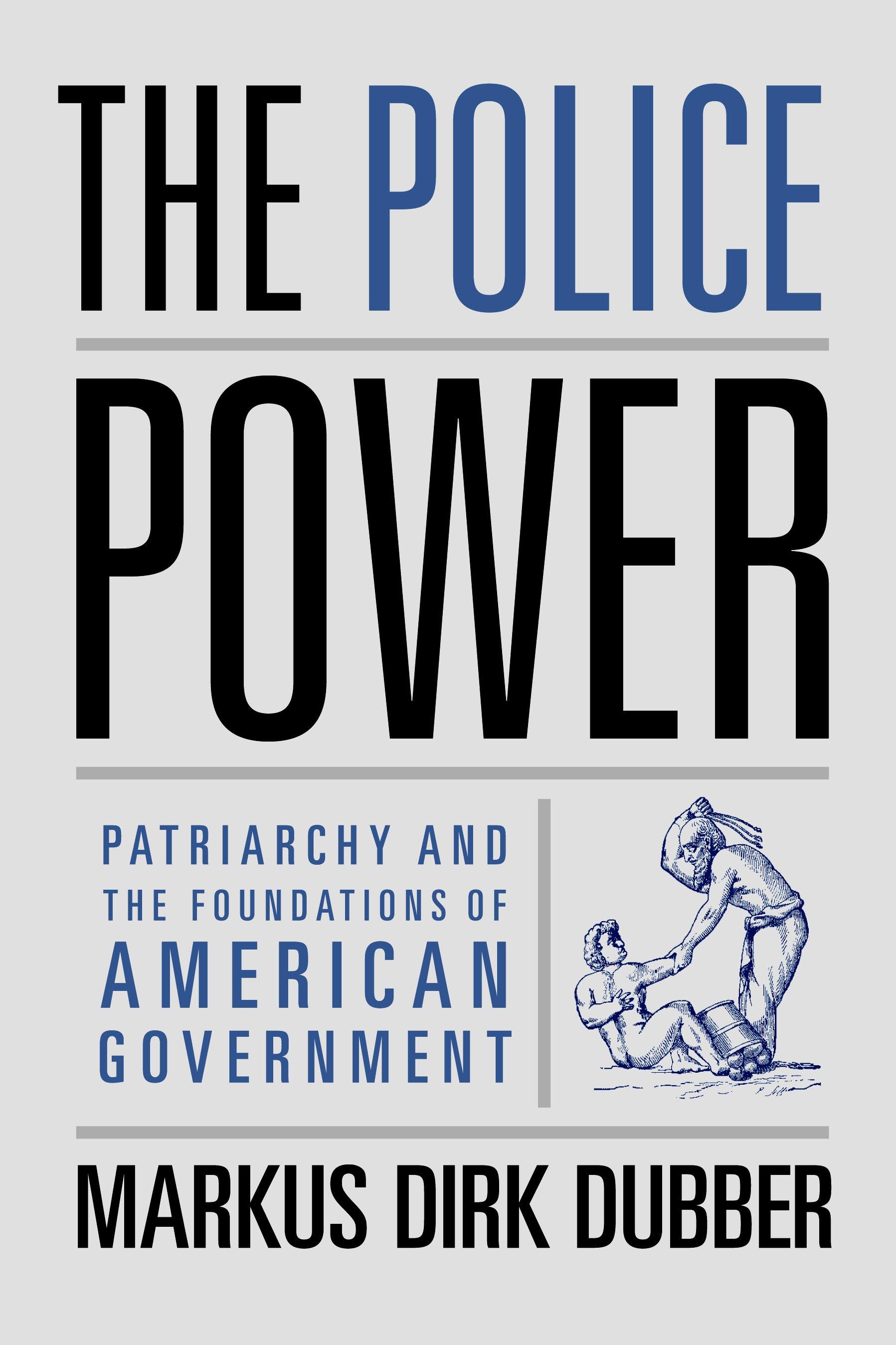
Mention the phrase Homeland Security and heated debates emerge about state uses and abuses of legal authority. This timely book is a comprehensive treatise on the constitutional and legal history behind the power of the modern state to police its citizens.
Dubber explores the roots of the power to police—the most expansive and least limitable of governmental powers—by focusing on its most obvious and problematic manifestation: criminal law. He argues that the defining characteristics of this power, including the inability to accurately define it, reflect its origins in the discretionary and virtually limitless patriarchal power of the householder over his household. The paradox of patriarchal police power as the most troubling yet least scrutinized of governmental powers can begin to be resolved by subjecting this branch of government to the critical analysis it merits. Dubber shows us that the question must become how can the police power and criminal law together serve the goals of social equity that define and give direction to contemporary democratic societies? This book goes to the heart of this neglected but crucial topic.
Pay easily by card, Klarna, Apple Pay or Google Pay. Not happy? You always have a 14-day money-back guarantee. Read more in our terms. If you have any questions, email us at hello@memmo.org.
Memmo makes studying easier – wherever you are in the world. We bring your course books and smart study tools together in one place: summaries, quizzes, podcasts and flashcards. Plus Ted, your study buddy who answers anything you wonder. Over 50,000 students already study here – built to help you learn faster and stress less.