
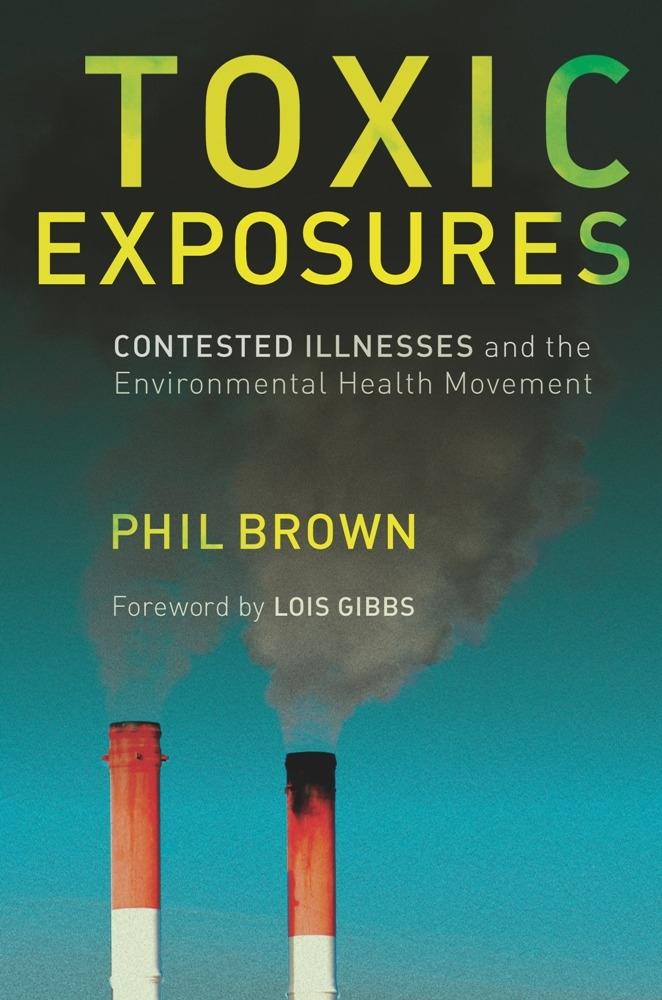
The increase in environmentally induced diseases and the loosening of regulation and safety measures have inspired a massive challenge to established ways of looking at health and the environment. Communities with disease clusters, women facing a growing breast cancer incidence rate, and people of color concerned about the asthma epidemic have become critical of biomedical models that emphasize the role of genetic makeup and individual lifestyle practices. Likewise, scientists have lost patience with their colleagues' and government's failure to adequately address environmental health issues and to safeguard research from corporate manipulation.
Focusing specifically on breast cancer, asthma, and Gulf War-related health conditions-"contested illnesses" that have generated intense debate in the medical and political communities-Phil Brown shows how these concerns have launched an environmental health movement that has revolutionized scientific thinking and policy. Before the last three decades of widespread activism regarding toxic exposures, people had little opportunity to get information. Few sympathetic professionals were available, the scientific knowledge base was weak, government agencies were largely unprepared, laypeople were not considered bearers of useful knowledge, and ordinary people lacked their own resources for discovery and action.
Brown argues that organized social movements are crucial in recognizing and acting to combat environmental diseases. His book draws on environmental and medical sociology, environmental justice, environmental health science, and social movement studies to show how citizen-science alliances have fought to overturn dominant epidemiological paradigms. His probing look at the ways scientific findings are made available to the public and the changing nature of policy offers a new perspective on health and the environment and the relationship among people, knowledge, power, and authority.
Pay easily by card, Klarna, Apple Pay or Google Pay. Not happy? You always have a 14-day money-back guarantee. Read more in our terms. If you have any questions, email us at hello@memmo.org.
Memmo makes studying easier – wherever you are in the world. We bring your course books and smart study tools together in one place: summaries, quizzes, podcasts and flashcards. Plus Ted, your study buddy who answers anything you wonder. Over 50,000 students already study here – built to help you learn faster and stress less.