
"The choice we have is not between reasonable proposals and an unreasonable utopianism. Utopian thinking does not undermine or discount real reforms. Indeed, it is almost the opposite: practical reforms depend on utopian dreaming."--Russell Jacoby, Picture Imperfect
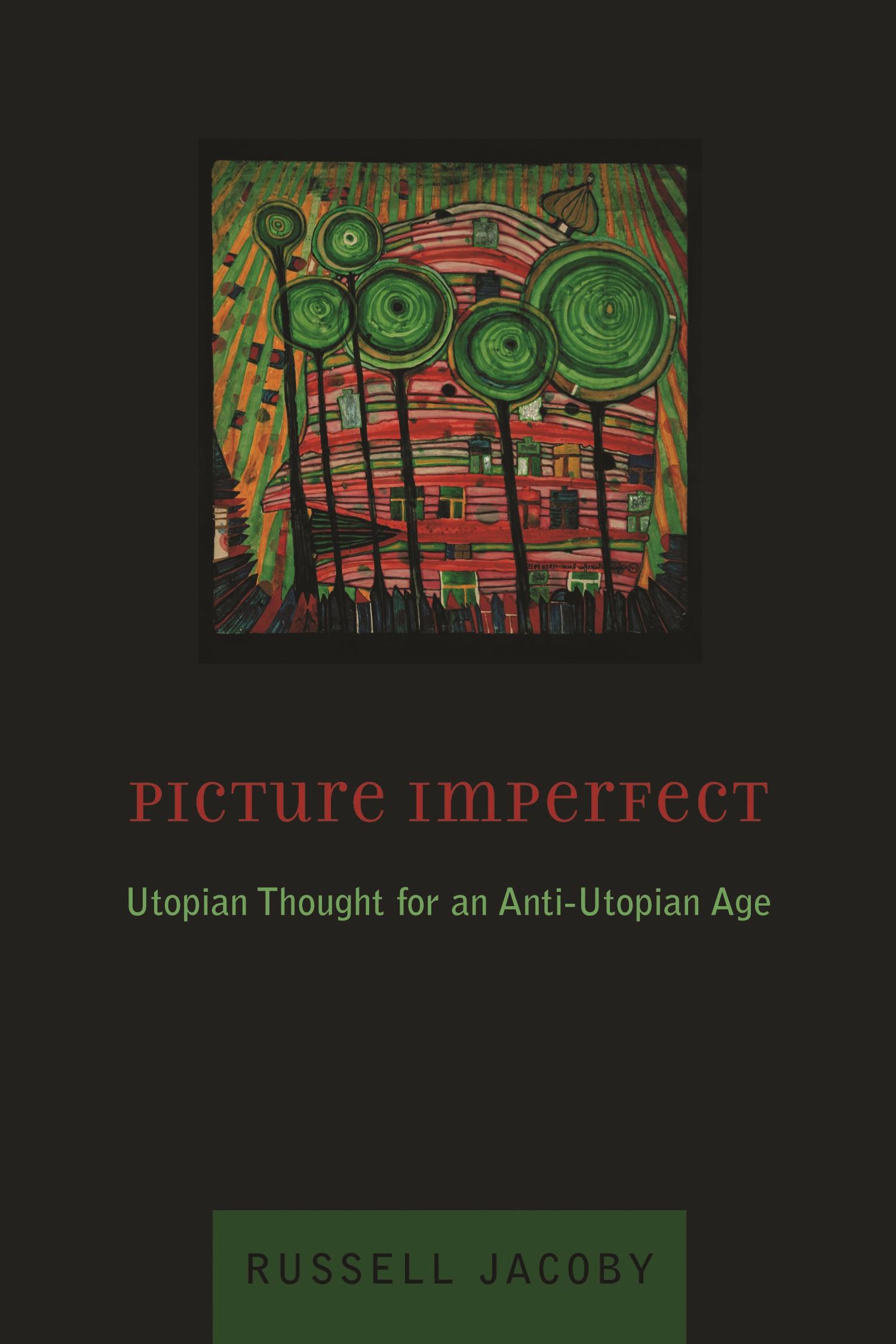
Utopianism suffers from an image problem: A recent exhibition on utopias in Paris and New York included photographs of Hitler's Mein Kampf and a Nazi concentration camp. Many observers judge utopians and their sympathizers as foolhardy dreamers at best and murderous totalitarians at worst. However, as noted social critic and historian Russell Jacoby argues in this salient, polemical, and innovative work, not only has utopianism been unfairly characterized, a return to an iconoclastic utopian spirit is vital for today's society. Shaped by the works of Theodor Adorno, Walter Benjamin, Ernst Bloch, Gustav Landauer, and other predominantly Jewish thinkers, iconoclastic utopianism revives society's dormant political imagination and offers hope for a better future. Writing against the grain of history, Jacoby reexamines the anti-utopian mindset and identifies how utopian thought came to be regarded with such suspicion. He challenges standard readings of such anti-utopian classics as 1984 and Brave New World and offers stinging critiques of the influential liberal and anti-utopian theorists Hannah Arendt, Isaiah Berlin, and Karl Popper. He argues that these thinkers mistakenly equate utopianism with totalitarianism.
The reputation of utopian thought has also suffered from the failures of, what Jacoby terms, the blueprint utopian tradition and its oppressive emphasis on detailing all aspects of society and providing fantastic images of the future. In contrast, the iconoclastic utopians, like those who follow God's prohibition against graven images, resist both the blueprinters' obsession with detail and the modern seduction of images. Jacoby suggests that by learning from the hopeful spirit of iconoclastic utopians and their willingness to accept new possibilities for society, we open ourselves to new and more imaginative ideas of the future.
Pay easily by card, Klarna, Apple Pay or Google Pay. Not happy? You always have a 14-day money-back guarantee. Read more in our terms. If you have any questions, email us at hello@memmo.org.
Memmo makes studying easier – wherever you are in the world. We bring your course books and smart study tools together in one place: summaries, quizzes, podcasts and flashcards. Plus Ted, your study buddy who answers anything you wonder. Over 50,000 students already study here – built to help you learn faster and stress less.