
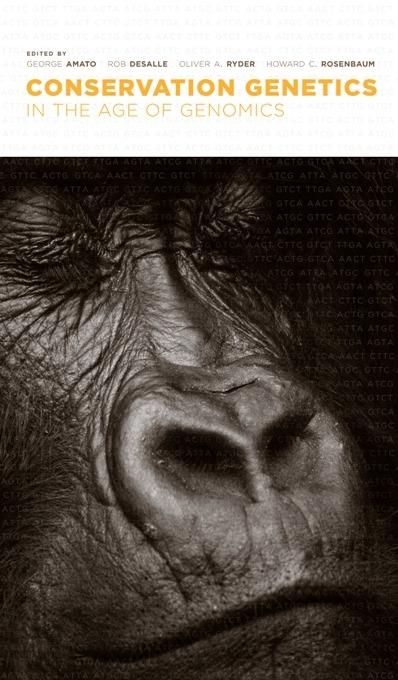
Genome sequencing enables scientists to study genes over time and to test the genetic variability of any form of life, from bacteria to mammals. Thanks to advances in molecular genetics, scientists can now determine an animal's degree of inbreeding or compare genetic variation of a captive species to wild or natural populations. Mapping an organism's genetic makeup recasts such terms as biodiversity and species and enables the conservation of rare or threatened species, populations, and genes.
By introducing a new paradigm for studying and preserving life at a variety of levels, genomics offers solutions to previously intractable problems in understanding the biology of complex organisms and creates new tools for preserving the patterns and processes of life on this planet. Featuring a number of high-profile researchers, this volume introduces the use of molecular genetics in conservation biology and provides a historical perspective on the opportunities and challenges presented by new technologies. It discusses zoo-, museum-, and herbarium-based biological collections, which have expanded over the past decade, and covers the promises and problems of genomic and reproductive technology. The collection concludes with the philosophical and legal issues of conservation genetics and their potential effects on public policy.
Pay easily by card, Klarna, Apple Pay or Google Pay. Not happy? You always have a 14-day money-back guarantee. Read more in our terms. If you have any questions, email us at hello@memmo.org.
Memmo makes studying easier – wherever you are in the world. We bring your course books and smart study tools together in one place: summaries, quizzes, podcasts and flashcards. Plus Ted, your study buddy who answers anything you wonder. Over 50,000 students already study here – built to help you learn faster and stress less.