
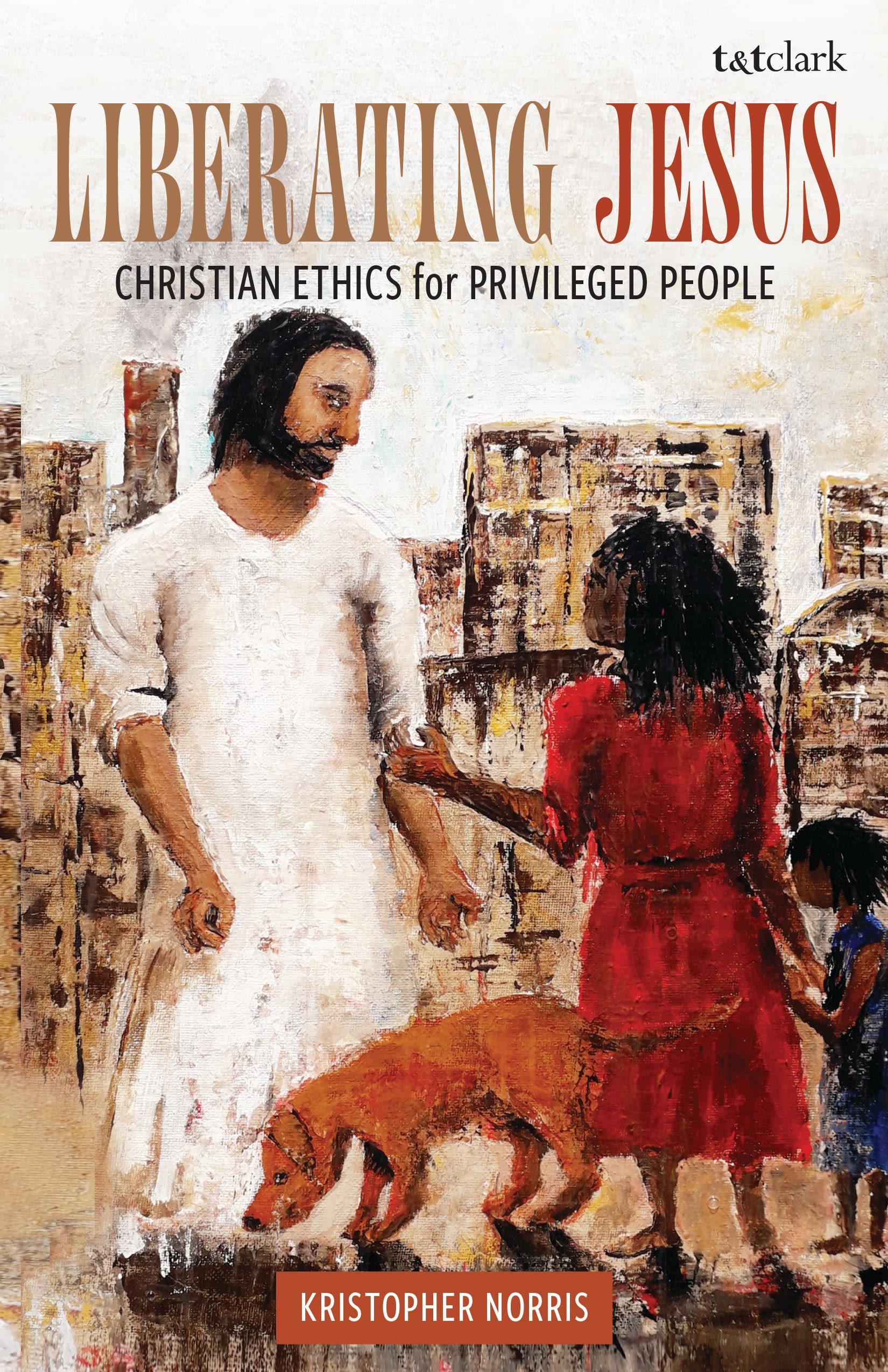
A call to free Jesus from the colonial ethic of exploitation and oppression that has distorted much of Christian theology and ministry.
Liberating Jesus confronts the troubling question of whether 2,000 years of Christianity have caused more harm than good. From the slave trade to the climate crisis, author Kristopher Norris challenges the Church, particularly privileged Christians, to examine its complicity in systemic injustice. In response, he presents a refreshing and innovative ethical framework: a communitarian virtue ethic of liberation. This approach uniquely reconciles the seemingly divergent theological traditions of postliberalism, with its emphasis on community and character, and liberation theology, with its focus on justice for the oppressed.
Drawing upon a wide range of sources-including liberationist, womanist, Anabaptist, and postliberal theologies, and guided by thinkers like Dietrich Bonhoeffer, James Cone, Ella Baker, Oscar Romero, and Katie Cannon-Norris models a new way of doing Christian ethics. The book first lays the theoretical groundwork, linking worship, practice, and character formation to the work of justice. It then applies this robust framework to some of the most urgent ethical issues facing the church today: patriarchy and toxic masculinity, white supremacy and racial injustice, war and peacemaking, poverty and consumerism, and the climate crisis. Throughout, Norris calls on readers to confront the oppressive legacy of Christian ethics and begin to live lives of solidarity and advocacy, following the witness of Jesus, for the liberation of the marginalized.
This book provides Christians-students, clergy, and laypeople-with various levels of privilege a new way to understand their role and responsibility in participating in movements for justice and liberation.
Liberating Jesus confronts the troubling question of whether 2,000 years of Christianity have caused more harm than good. From the slave trade to the climate crisis, author Kristopher Norris challenges the Church, particularly privileged Christians, to examine its complicity in systemic injustice. In response, he presents a refreshing and innovative ethical framework: a communitarian virtue ethic of liberation. This approach uniquely reconciles the seemingly divergent theological traditions of postliberalism, with its emphasis on community and character, and liberation theology, with its focus on justice for the oppressed.
Drawing upon a wide range of sources-including liberationist, womanist, Anabaptist, and postliberal theologies, and guided by thinkers like Dietrich Bonhoeffer, James Cone, Ella Baker, Oscar Romero, and Katie Cannon-Norris models a new way of doing Christian ethics. The book first lays the theoretical groundwork, linking worship, practice, and character formation to the work of justice. It then applies this robust framework to some of the most urgent ethical issues facing the church today: patriarchy and toxic masculinity, white supremacy and racial injustice, war and peacemaking, poverty and consumerism, and the climate crisis. Throughout, Norris calls on readers to confront the oppressive legacy of Christian ethics and begin to live lives of solidarity and advocacy, following the witness of Jesus, for the liberation of the marginalized.
This book provides Christians-students, clergy, and laypeople-with various levels of privilege a new way to understand their role and responsibility in participating in movements for justice and liberation.
Betala smidigt med kort, Klarna, Apple Pay eller Google Pay. Är du inte nöjd har du alltid 14 dagars ångerrätt. Läs mer i våra villkor. Har du några frågor, mejla oss på hello@memmo.org.
Memmo gör det enklare att plugga – var du än är i världen. Hos oss samlar du kursböcker och smarta studieverktyg på ett och samma ställe: sammanfattningar, quiz, poddar och flashcards. Och så Ted, din studiekompis som svarar på allt du undrar. Över 50 000 studenter pluggar redan här – byggt för att du ska lära dig snabbare och stressa mindre.