
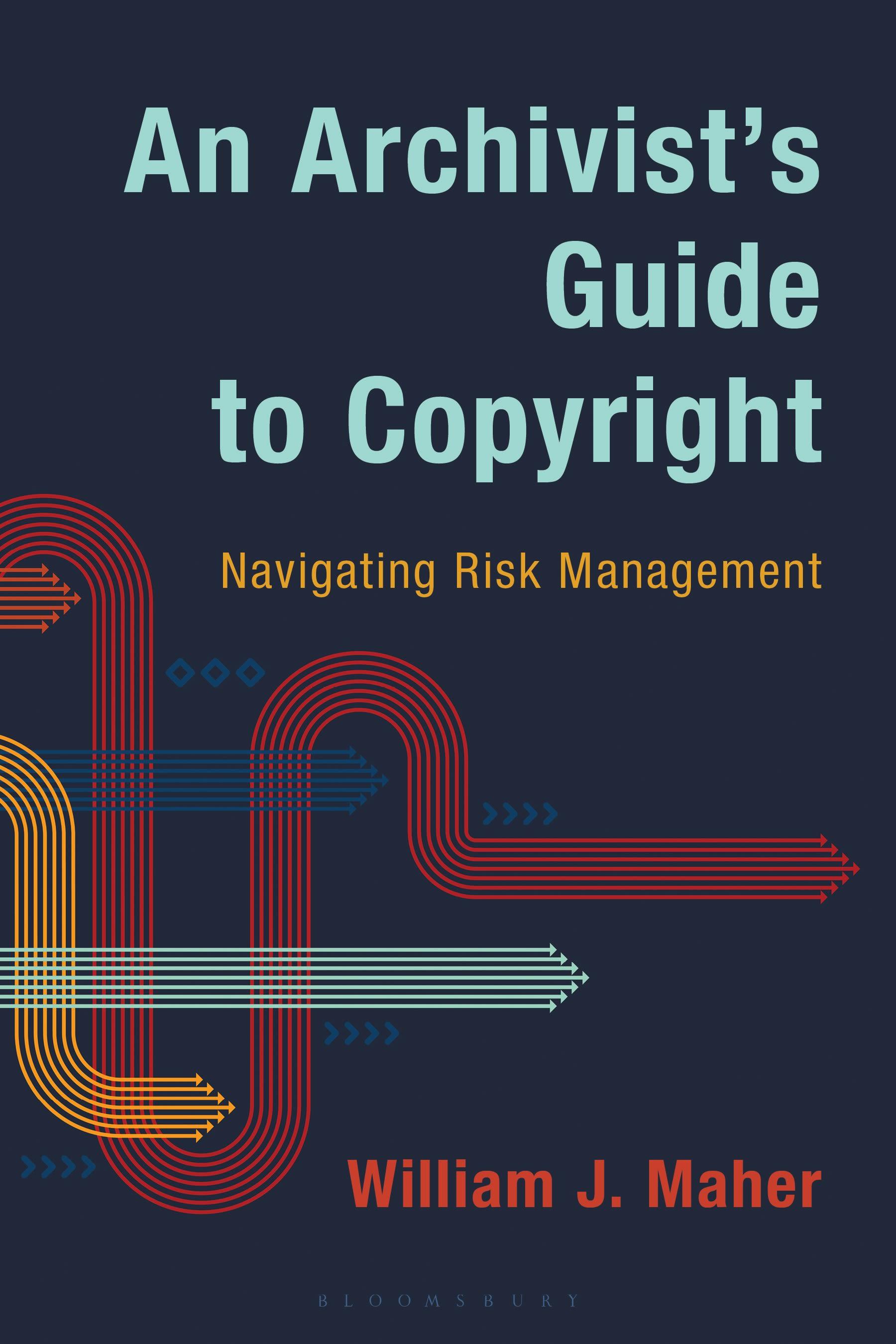
Copyright. The very word can make an archivist's eyes glaze over. But this book is here to help.
Fear of copyright can sometimes make everything an archivist does-preservation, reference, digitization-feel like a prelude to an unintended lawsuit.
In this book, readers learn core parts of the U.S. copyright law, how to apply basic tools to address archives-specific issues, and learn effective use of existing exceptions and limitations. The goal is to provide archivists with the ability to navigate copyright to achieve the ultimate archival mission: to preserve the broadest array of heritage material and enable as wide a use as possible.
This book:
· Provides a foundation for how to read the copyright law, review legal literature, and navigate authoritative websites and news sources;
· Promotes a clear understanding of the separate rights of authors, owners, and users and how these rights relate to institutional and general cultural archives;
· Clarifies the relevance of the historical landmarks in copyright legislation and case law;
· Outlines the basics of related laws and rights regimes (e.g., privacy, publicity, moral, and cultural property rights) to understand when and how copyright does and does not relate to them;
· Surveys recent legislation and court cases, especially those relating to fair use, sound-recordings, and alternative dispute resolution; and
· Guides archivists in a multi-factor analysis to support the decisions needed to manage copyright issues and risks.
Fear of copyright can sometimes make everything an archivist does-preservation, reference, digitization-feel like a prelude to an unintended lawsuit.
In this book, readers learn core parts of the U.S. copyright law, how to apply basic tools to address archives-specific issues, and learn effective use of existing exceptions and limitations. The goal is to provide archivists with the ability to navigate copyright to achieve the ultimate archival mission: to preserve the broadest array of heritage material and enable as wide a use as possible.
This book:
· Provides a foundation for how to read the copyright law, review legal literature, and navigate authoritative websites and news sources;
· Promotes a clear understanding of the separate rights of authors, owners, and users and how these rights relate to institutional and general cultural archives;
· Clarifies the relevance of the historical landmarks in copyright legislation and case law;
· Outlines the basics of related laws and rights regimes (e.g., privacy, publicity, moral, and cultural property rights) to understand when and how copyright does and does not relate to them;
· Surveys recent legislation and court cases, especially those relating to fair use, sound-recordings, and alternative dispute resolution; and
· Guides archivists in a multi-factor analysis to support the decisions needed to manage copyright issues and risks.
Betala smidigt med kort, Klarna, Apple Pay eller Google Pay. Är du inte nöjd har du alltid 14 dagars ångerrätt. Läs mer i våra villkor. Har du några frågor, mejla oss på hello@memmo.org.
Memmo gör det enklare att plugga – var du än är i världen. Hos oss samlar du kursböcker och smarta studieverktyg på ett och samma ställe: sammanfattningar, quiz, poddar och flashcards. Och så Ted, din studiekompis som svarar på allt du undrar. Över 50 000 studenter pluggar redan här – byggt för att du ska lära dig snabbare och stressa mindre.