
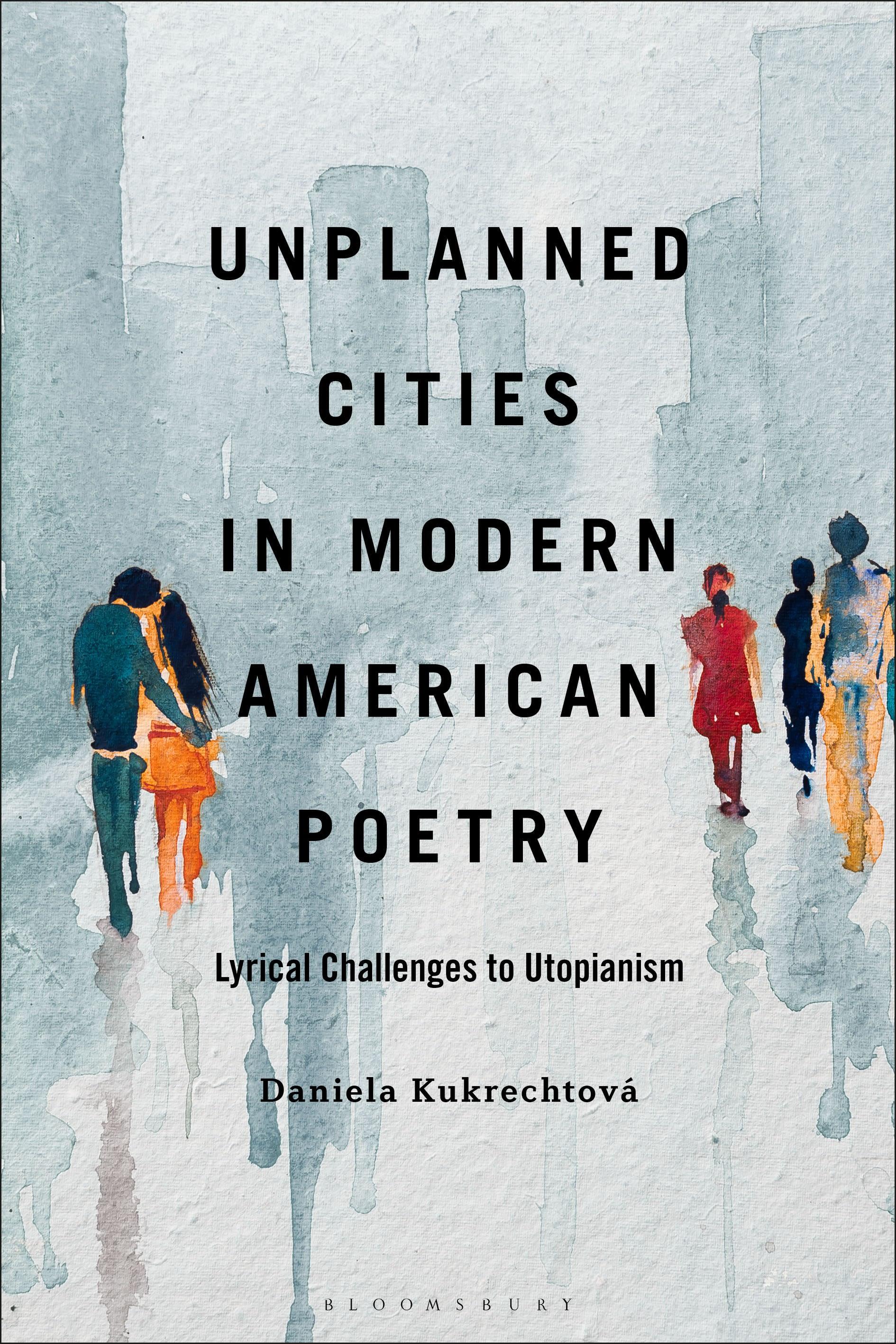
Reveals how five modern American poets challenged prevailing discourses about urbanization through lyrical representations of cities and the diverse people who lived in them.
In early 20th-century America, industrialization and the influx of immigrants and rural migrants into urban centers fostered a certain representation of and distaste for cities and their inhabitants. The dominant discourse was one of containment through utopian planning and violent reshaping, often reflected in both policy-making and writings about cities during this time. Yet as Daniela Kukrechtová identifies, urban literature also reveals voices that challenged that narrative.
Unplanned Cities in Modern American Poetry shows how the formally innovative works of five poets – Jean Toomer, William Carlos Williams, Hart Crane, Frank O'Hara, and Gwendolyn Brooks – worked against anti-urban discourse. Their works displayed a love for disorderly cityscapes and the actual urbanites who inhabit them, promoting the radical idea that cities were for people while revealing the extreme dystopian/utopian discourses that helped create and maintain divisions and disparities.
Kukrechtová argues that, besides offering a radical critique, these poets also used their poetry to imagine the mental and emotional attitudes of urban dwellers toward their environment. She therefore offers the urban ecocritical approach often missing in literary analyses of modern American poetry. Simultaneously, the lyrical and socially-engaged imagination in these works – that is, the human implications of various plans, designs, and policies that helped create the modern American city – represent a voice often unheard in urban studies and its history.
In early 20th-century America, industrialization and the influx of immigrants and rural migrants into urban centers fostered a certain representation of and distaste for cities and their inhabitants. The dominant discourse was one of containment through utopian planning and violent reshaping, often reflected in both policy-making and writings about cities during this time. Yet as Daniela Kukrechtová identifies, urban literature also reveals voices that challenged that narrative.
Unplanned Cities in Modern American Poetry shows how the formally innovative works of five poets – Jean Toomer, William Carlos Williams, Hart Crane, Frank O'Hara, and Gwendolyn Brooks – worked against anti-urban discourse. Their works displayed a love for disorderly cityscapes and the actual urbanites who inhabit them, promoting the radical idea that cities were for people while revealing the extreme dystopian/utopian discourses that helped create and maintain divisions and disparities.
Kukrechtová argues that, besides offering a radical critique, these poets also used their poetry to imagine the mental and emotional attitudes of urban dwellers toward their environment. She therefore offers the urban ecocritical approach often missing in literary analyses of modern American poetry. Simultaneously, the lyrical and socially-engaged imagination in these works – that is, the human implications of various plans, designs, and policies that helped create the modern American city – represent a voice often unheard in urban studies and its history.
Betala smidigt med kort, Klarna, Apple Pay eller Google Pay. Är du inte nöjd har du alltid 14 dagars ångerrätt. Läs mer i våra villkor. Har du några frågor, mejla oss på hello@memmo.org.
Memmo gör det enklare att plugga – var du än är i världen. Hos oss samlar du kursböcker och smarta studieverktyg på ett och samma ställe: sammanfattningar, quiz, poddar och flashcards. Och så Ted, din studiekompis som svarar på allt du undrar. Över 50 000 studenter pluggar redan här – byggt för att du ska lära dig snabbare och stressa mindre.