
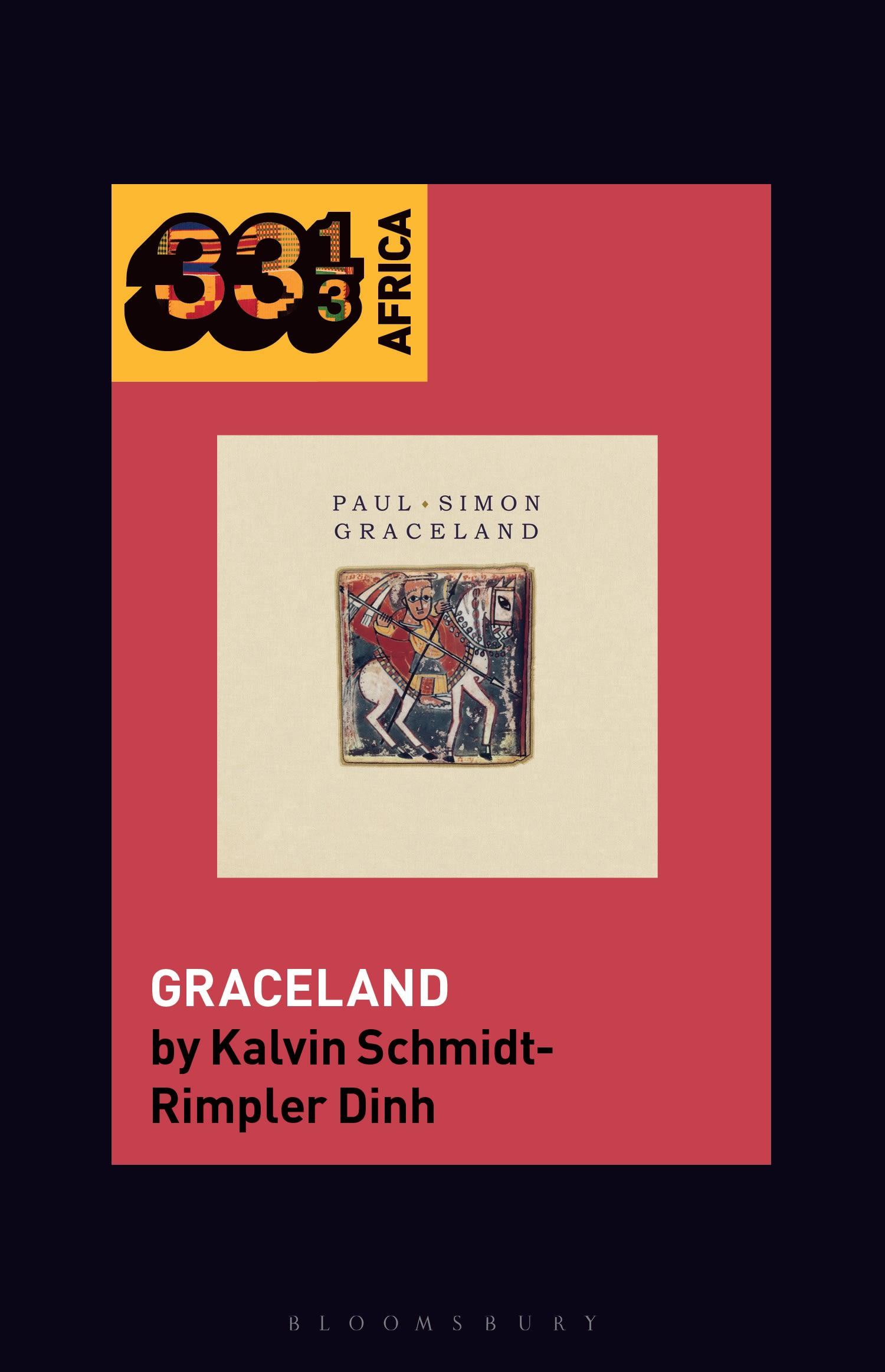
Celebrated, controversial, and conspicuously eclectic, Paul Simon's Graceland stands among the monumental albums of the 20th century. This book explores how and why it made its mark, from the international collaborations that defined its musical character, to the inflamed political environment from which it emerged.
Graceland incorporated some of South Africa's most beloved popular music traditions, including 'township jive', kwela, and the intricate isicathamiya harmonies of Ladysmith Black Mambazo. It also featured contributions from Central and West African musicians, alongside an array of North American styles – Chicano rock, country, synth-pop, Louisiana zydeco – and, of course, Simon's characteristically abstract poetics.
This book revisits Graceland as an important example of the global relevance of African music. Released in 1986, amid an intensified period of anti-apartheid activism across world, the album had a unique relationship to South Africa: it drew attention to apartheid and Black African music while its popular significance was simultaneously propelled by the anti-apartheid movement. As a collaborative, cross-cultural project straddling the boundaries of a deeply unequal world – economically, politically, racially – Graceland invites reflection on the relationship between art and politics, both then and now.
Graceland incorporated some of South Africa's most beloved popular music traditions, including 'township jive', kwela, and the intricate isicathamiya harmonies of Ladysmith Black Mambazo. It also featured contributions from Central and West African musicians, alongside an array of North American styles – Chicano rock, country, synth-pop, Louisiana zydeco – and, of course, Simon's characteristically abstract poetics.
This book revisits Graceland as an important example of the global relevance of African music. Released in 1986, amid an intensified period of anti-apartheid activism across world, the album had a unique relationship to South Africa: it drew attention to apartheid and Black African music while its popular significance was simultaneously propelled by the anti-apartheid movement. As a collaborative, cross-cultural project straddling the boundaries of a deeply unequal world – economically, politically, racially – Graceland invites reflection on the relationship between art and politics, both then and now.
Betala smidigt med kort, Klarna, Apple Pay eller Google Pay. Är du inte nöjd har du alltid 14 dagars ångerrätt. Läs mer i våra villkor. Har du några frågor, mejla oss på hello@memmo.org.
Memmo gör det enklare att plugga – var du än är i världen. Hos oss samlar du kursböcker och smarta studieverktyg på ett och samma ställe: sammanfattningar, quiz, poddar och flashcards. Och så Ted, din studiekompis som svarar på allt du undrar. Över 50 000 studenter pluggar redan här – byggt för att du ska lära dig snabbare och stressa mindre.