
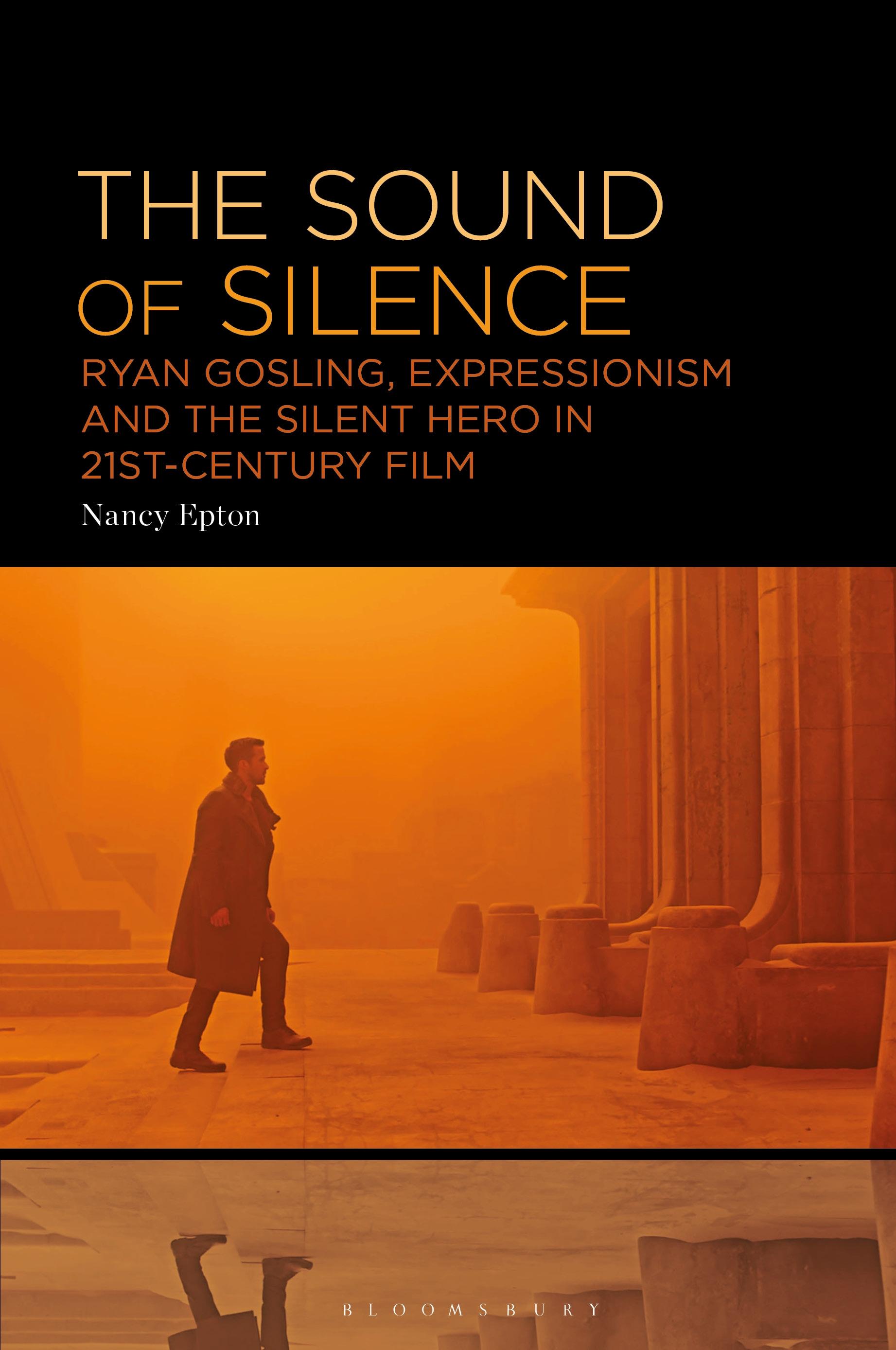
The Sound of Silence explores how non-verbal communication in film, shown primarily through the acting of Ryan Gosling, provides an expressive space in which passive audience viewing is made more active by removing the expository signifier of dialogue.
The German Expressionist era may have been brief, but the shadows cast since its end nonetheless loom large. The silhouetted, cigar-wielding men of film noir and their respectively dark, doom-laden haunts mirror the angst-inducing atmospheres of their forebearers, while also introducing the now-familiar figure of the silent hero. Considering the numerous silent hero actors in film history, there's one that stands out in the 21st century like no other: Ryan Gosling. His later career has seen some of the most iconic silent heroes of the past decade, with films such as Drive, Only God Forgives, Blade Runner 2049 and First Man cementing him as the go-to guy for a monosyllabic, taciturn and moody hero whose actions speak louder than words.
This book argues that it is Gosling's expressive capabilities that keep audiences compelled by his performances. With the use of non-verbal silence – combined with its counterbalance, sound – a more active, emotive audience response can be achieved. Looking further into this idea through theorists such as Michel Chion and Susan Sontag, the book demonstrates that the sound of silence is one of the most meaningful cinematic sounds of all.
The German Expressionist era may have been brief, but the shadows cast since its end nonetheless loom large. The silhouetted, cigar-wielding men of film noir and their respectively dark, doom-laden haunts mirror the angst-inducing atmospheres of their forebearers, while also introducing the now-familiar figure of the silent hero. Considering the numerous silent hero actors in film history, there's one that stands out in the 21st century like no other: Ryan Gosling. His later career has seen some of the most iconic silent heroes of the past decade, with films such as Drive, Only God Forgives, Blade Runner 2049 and First Man cementing him as the go-to guy for a monosyllabic, taciturn and moody hero whose actions speak louder than words.
This book argues that it is Gosling's expressive capabilities that keep audiences compelled by his performances. With the use of non-verbal silence – combined with its counterbalance, sound – a more active, emotive audience response can be achieved. Looking further into this idea through theorists such as Michel Chion and Susan Sontag, the book demonstrates that the sound of silence is one of the most meaningful cinematic sounds of all.
Betala smidigt med kort, Klarna, Apple Pay eller Google Pay. Är du inte nöjd har du alltid 14 dagars ångerrätt. Läs mer i våra villkor. Har du några frågor, mejla oss på hello@memmo.org.
Memmo gör det enklare att plugga – var du än är i världen. Hos oss samlar du kursböcker och smarta studieverktyg på ett och samma ställe: sammanfattningar, quiz, poddar och flashcards. Och så Ted, din studiekompis som svarar på allt du undrar. Över 50 000 studenter pluggar redan här – byggt för att du ska lära dig snabbare och stressa mindre.