
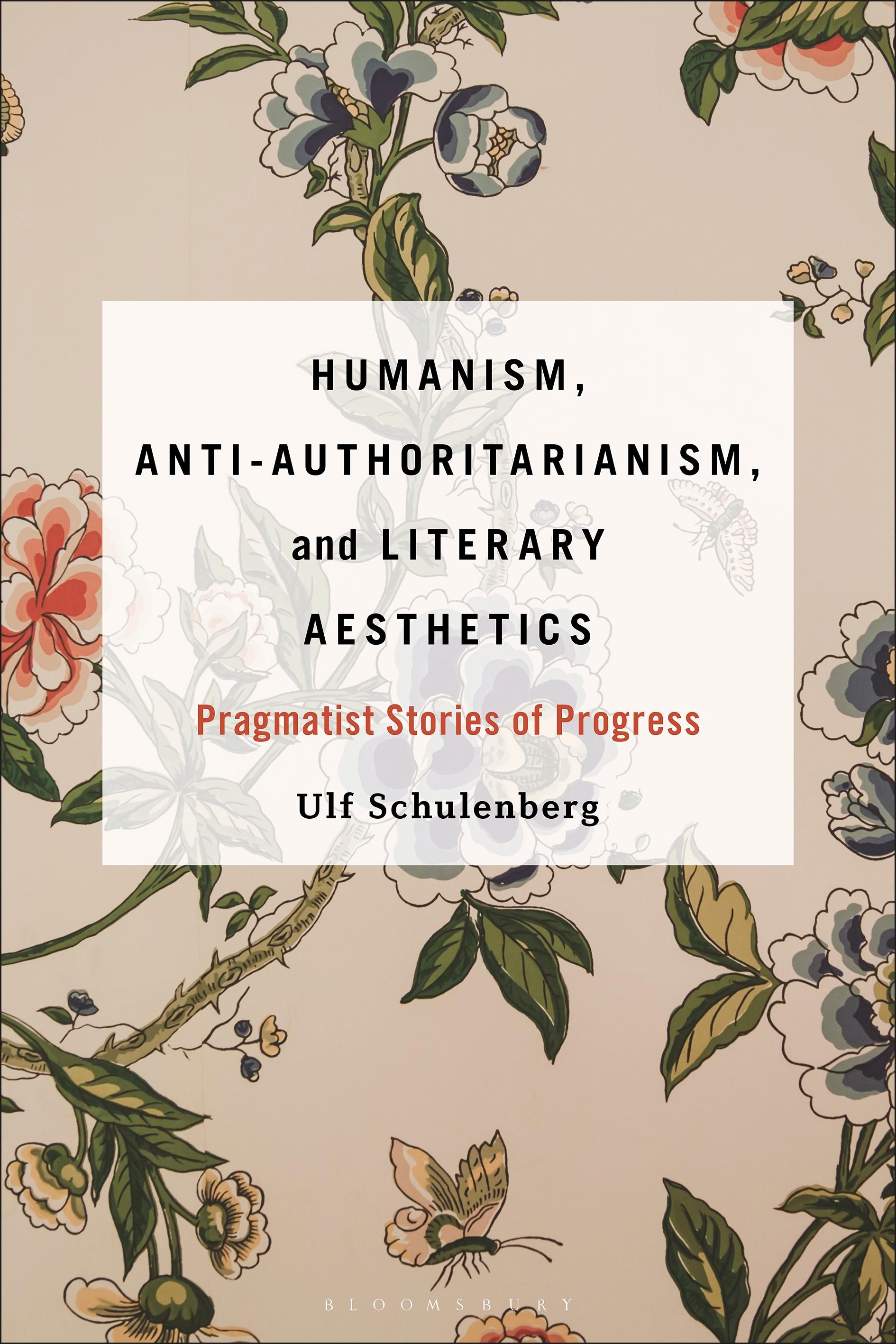
Presenting pragmatist humanism as a form of anti-authoritarianism, this book sheds light on the contemporary significance of pragmatist aesthetics and the revival of humanism.
This interdisciplinary study shows that a mediation between pragmatist aesthetics – which emphasizes the significance of creating, making, and inventing – and Marxist materialist aesthetics – which values form – promises interesting results and that the former can learn from the latter.
In doing so, Ulf Schulenberg discusses 3 layers of the multi-layered phenomenon that is the revival of humanism: He first explains the potential of a pragmatist humanism, clarifying the contemporary significance of humanism. He then argues that pragmatist humanism is a form of anti-authoritarianism. Finally, he shows the possibility of bringing together the resurgence of humanism and a renewed interest in the work of aesthetic form by arguing that pragmatist aesthetics needs a more complex conception of form.
Establishing a transatlantic theoretical dialogue, Humanism, Anti-Authoritarianism, and Literary Aesthetics brings together literary and aesthetic theory, philosophy, and intellectual history. It discusses a broad range of authors – from Emerson, Whitman, James, Nietzsche, Proust, and Dewey to Wittgenstein, Lukács, Adorno, Jameson, Latour, and Rorty – to illuminate how humanism, pragmatism, and anti-authoritarianism are interlinked.
This interdisciplinary study shows that a mediation between pragmatist aesthetics – which emphasizes the significance of creating, making, and inventing – and Marxist materialist aesthetics – which values form – promises interesting results and that the former can learn from the latter.
In doing so, Ulf Schulenberg discusses 3 layers of the multi-layered phenomenon that is the revival of humanism: He first explains the potential of a pragmatist humanism, clarifying the contemporary significance of humanism. He then argues that pragmatist humanism is a form of anti-authoritarianism. Finally, he shows the possibility of bringing together the resurgence of humanism and a renewed interest in the work of aesthetic form by arguing that pragmatist aesthetics needs a more complex conception of form.
Establishing a transatlantic theoretical dialogue, Humanism, Anti-Authoritarianism, and Literary Aesthetics brings together literary and aesthetic theory, philosophy, and intellectual history. It discusses a broad range of authors – from Emerson, Whitman, James, Nietzsche, Proust, and Dewey to Wittgenstein, Lukács, Adorno, Jameson, Latour, and Rorty – to illuminate how humanism, pragmatism, and anti-authoritarianism are interlinked.
Betala smidigt med kort, Klarna, Apple Pay eller Google Pay. Är du inte nöjd har du alltid 14 dagars ångerrätt. Läs mer i våra villkor. Har du några frågor, mejla oss på hello@memmo.org.
Memmo gör det enklare att plugga – var du än är i världen. Hos oss samlar du kursböcker och smarta studieverktyg på ett och samma ställe: sammanfattningar, quiz, poddar och flashcards. Och så Ted, din studiekompis som svarar på allt du undrar. Över 50 000 studenter pluggar redan här – byggt för att du ska lära dig snabbare och stressa mindre.